In the intricate and demanding world of industrial automation, the choice of components is a critical determinant of system reliability, efficiency, and long-term operational cost. Among these components, proximity sensors stand as silent sentinels, providing the essential non-contact detection of objects that forms the backbone of countless automated processes. While global brands dominate the landscape, a compelling case exists for partnering with local proximity sensor manufacturers. This article explores the distinct advantages these local enterprises offer to engineers, system integrators, and plant managers.
The primary and most immediate benefit of sourcing from a local manufacturer is drastically reduced lead times and enhanced supply chain resilience. Global supply chains, as recent years have demonstrated, are vulnerable to disruptions from geopolitical events, logistical bottlenecks, and unforeseen crises. A local manufacturer operates within a more controlled and responsive logistical framework. This translates to faster delivery of standard products and, more importantly, significantly quicker turnaround for replacement units or urgent orders. For maintenance teams facing unexpected downtime, the ability to procure a critical sensor within hours, not weeks, is invaluable, minimizing production losses and maintaining operational continuity.
Beyond logistics, local manufacturers excel in providing unparalleled technical support and application engineering. Proximity sensor selection is not a one-size-fits-all endeavor. Factors such as sensing distance, target material (ferrous, non-ferrous, etc.), environmental conditions (temperature, washdown, presence of chemicals), and required output type (PNP/NPN, analog, IO-Link) must be carefully considered. A local manufacturer's engineering team is typically more accessible for in-depth consultations. They can engage in meaningful dialogue, understand the specific nuances of the application, and often visit the site if necessary. This collaborative approach ensures the selected sensor is optimally suited for the task, reducing the risk of misapplication and premature failure.
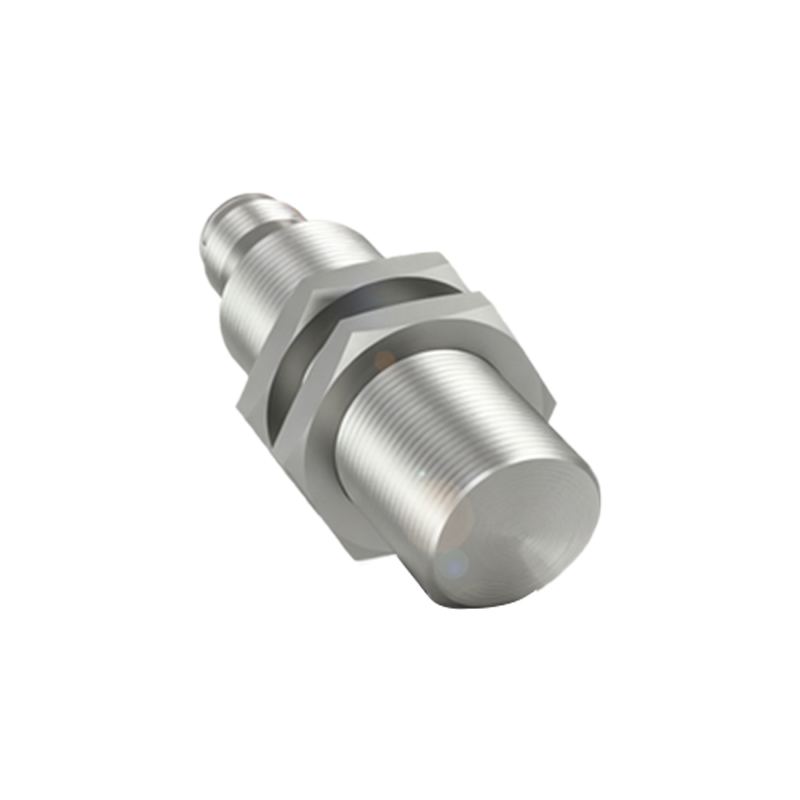
Furthermore, local manufacturers often demonstrate greater flexibility in customization and small-batch production. Large multinational corporations are often optimized for high-volume, standardized production runs. Requesting a minor modification—a different cable length, a unique housing material, or a specialized sensing face—can be met with high minimum order quantities and lengthy development cycles. Local enterprises, by contrast, are generally more agile. They can accommodate custom requests more readily, providing tailored solutions for unique or legacy equipment without imposing prohibitive costs. This flexibility is crucial for industries with specialized machinery or for modernization projects where off-the-shelf sensors may not integrate seamlessly.
The relationship with a local manufacturer also fosters a deeper partnership rooted in a shared understanding of the regional market's regulatory and operational environment. These manufacturers design their products to comply with local and regional standards (e.g., CE, UL, specific industry certifications) relevant to their primary market. They are also more attuned to the common challenges faced by industries prevalent in their region, whether it's food and beverage processing, automotive manufacturing, or heavy machinery. This intrinsic market knowledge is embedded in their product development and support, offering solutions that are pre-validated for local conditions.
Cost considerations, while complex, also favor local manufacturers when viewed through a Total Cost of Ownership (TCO) lens. The initial unit price from a global brand might be lower in some cases due to economies of scale. However, TCO includes hidden expenses: import duties, shipping costs, inventory carrying costs for long lead-time items, and the potential cost of downtime. Local sourcing often reduces or eliminates many of these ancillary costs. The value of readily available spare parts, immediate technical support, and reduced risk of production stoppages frequently outweighs a marginally higher initial purchase price, leading to lower long-term operational expenditure.
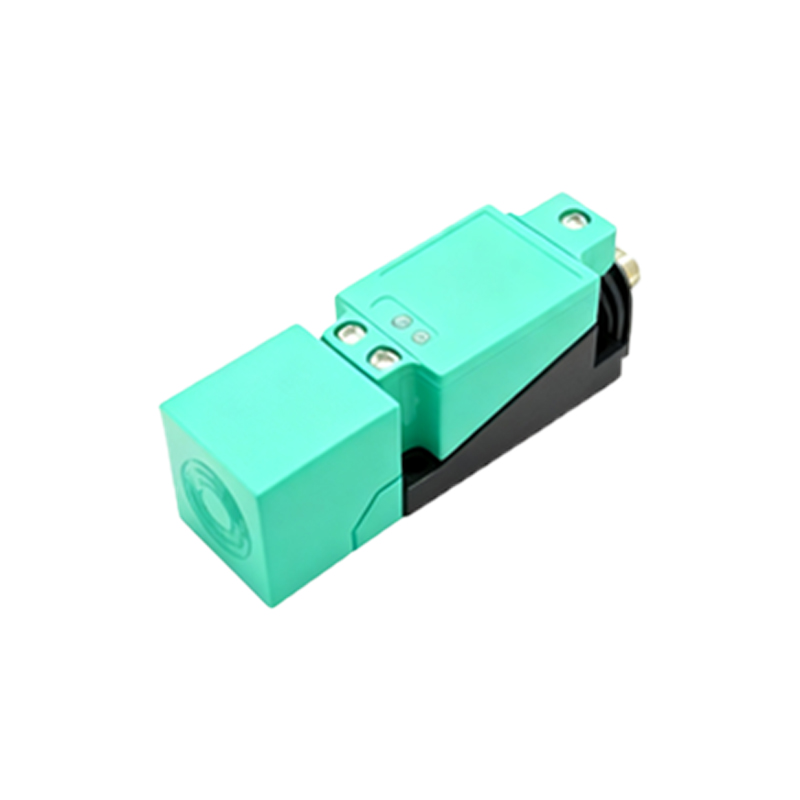
In conclusion, while global proximity sensor brands offer broad portfolios and brand recognition, local manufacturers provide a robust alternative characterized by responsiveness, customization, and partnership. For engineers and operations managers prioritizing supply chain security, application-specific solutions, and long-term operational stability, engaging with a skilled local proximity sensor enterprise is a strategically sound decision. It represents an investment not just in a component, but in a responsive, collaborative relationship that enhances the resilience and efficiency of the entire automated system.