Waterproof proximity sensors are essential components in modern industrial automation, automotive systems, and consumer electronics. Their ability to detect the presence or absence of objects in harsh environments—such as those with moisture, dust, or temperature extremes—makes them invaluable. When considering the purchase of these sensors, understanding the factors that influence their pricing is crucial for making informed decisions.
The price of a waterproof proximity sensor varies significantly based on several key factors. Sensing range is a primary determinant; sensors with longer detection capabilities (e.g., 10-50 mm) typically cost more than those with shorter ranges (e.g., 2-5 mm). Technology type also plays a role: inductive sensors, commonly used for metal detection, are generally more affordable, while capacitive sensors (suitable for non-metallic materials) and ultrasonic sensors (for longer ranges and diverse materials) command higher prices. The level of waterproofing, indicated by IP (Ingress Protection) ratings like IP67 or IP68, affects cost—higher ratings ensure better protection against water and dust but increase manufacturing expenses.
Additional features such as output types (digital, analog, or IO-Link), housing materials (stainless steel or PBT plastic), and brand reputation further influence pricing. For instance, well-known brands like Siemens, Omron, or Pepperl+Fuchs often premium due to their reliability and support, whereas generic or lesser-known brands may offer lower prices but with potential trade-offs in quality.
In the current market, basic waterproof inductive proximity sensors can start from $15 to $30 per unit for standard models. Mid-range sensors with enhanced features like extended ranges or higher IP ratings may range from $30 to $80. High-end models, such as those with advanced connectivity or specialized designs for extreme conditions, can exceed $100 per unit. Bulk purchasing typically reduces per-unit costs, making them more economical for large-scale industrial applications.
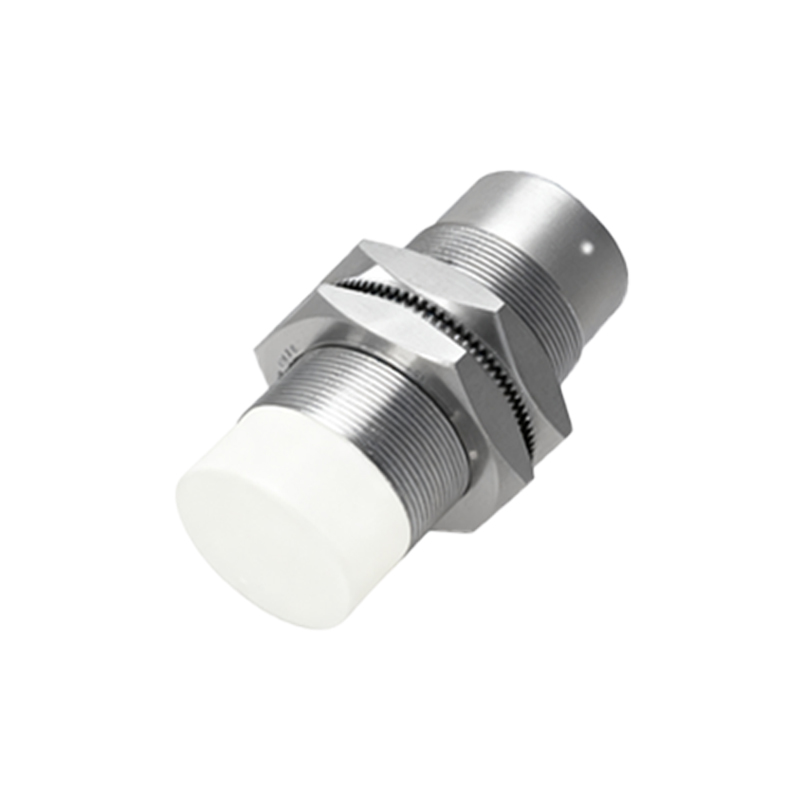
When selecting a sensor, it’s important to balance cost with application requirements. Over-specifying—choosing a sensor with unnecessary features—can lead to unnecessary expenses, while under-specifying might result in premature failure or inaccurate readings. Consulting with suppliers or engineers can help identify the most cost-effective solution tailored to specific needs, such as outdoor machinery, food processing plants, or marine equipment.
Overall, the waterproof proximity sensor market offers diverse options to suit various budgets and applications. By evaluating technical specifications, environmental demands, and total cost of ownership, buyers can navigate pricing complexities and secure reliable, efficient sensors that deliver long-term value.