Laser methane sensors have become indispensable tools across various industries, including oil and gas, utilities, mining, and environmental monitoring. Their ability to provide precise, real-time detection of methane leaks is critical for safety, regulatory compliance, and operational efficiency. A common and crucial question among engineers and facility managers is: "What is the typical lifespan of a laser methane sensor, and how can it be maximized?" Unlike simpler electrochemical or catalytic bead sensors, laser-based sensors, primarily utilizing Tunable Diode Laser Absorption Spectroscopy (TDLAS) technology, offer superior longevity and stability. However, their operational life is not infinite and is influenced by a complex interplay of design, environment, and usage.
The core of a laser methane sensor is its laser diode and photodetector. These solid-state optical components are inherently more robust than the consumable elements in other sensor types. In controlled, clean laboratory conditions, the laser diode itself can theoretically operate for tens of thousands of hours. In practical industrial settings, a well-designed and properly maintained laser methane sensor can reliably function for 5 to 10 years or more before requiring significant service or replacement. This extended lifespan is a key economic and operational advantage, reducing total cost of ownership and maintenance downtime.
Several critical factors directly impact the sensor's longevity. The operating environment is paramount. Exposure to extreme temperatures beyond the sensor's specified range can stress electronic and optical components. High levels of dust, dirt, oil mist, or corrosive gases can coat the optical windows, attenuating the laser signal and forcing the internal electronics to work harder, leading to premature aging. Physical shock and vibration, common in mining or pipeline applications, can misalign sensitive optical paths or damage solder joints. Even the target gas concentration plays a role; while TDLAS is a non-contact, non-consumptive technology, constantly monitoring in extremely high methane concentrations is not typical and doesn't degrade the sensor, but the associated environment (e.g., potential for condensation or contamination) might be harsher.
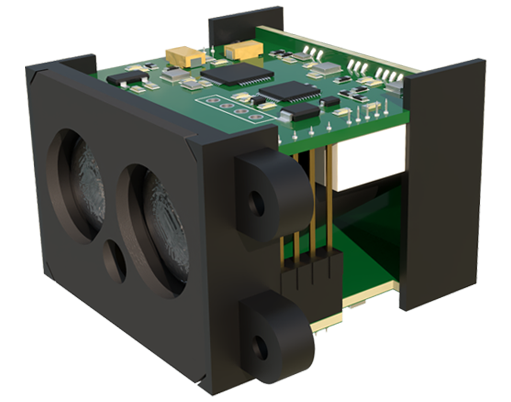
Proper installation and calibration are foundational to long life. Sensors must be installed according to manufacturer guidelines, considering gas density, potential leak points, and environmental protections like sunshades or weatherproof enclosures. Regular calibration, typically recommended annually or bi-annually, ensures measurement accuracy and allows the system to compensate for minor drifts in the laser's performance. A sensor operating out of calibration may not fail immediately, but it loses its primary value—reliable detection.
Preventive maintenance is the most effective strategy for extending sensor lifespan. This involves routine visual inspections for physical damage or lens fouling. Cleaning the optical windows with appropriate materials (as specified by the manufacturer) is essential to maintain signal strength. Ensuring that purge or pressurization systems (if used to keep the optical path clean) are functioning correctly is also vital. Monitoring the sensor's diagnostic outputs, such as laser intensity or detector signal levels, can provide early warnings of potential issues before a complete failure occurs.

Technological advancements continue to push the boundaries of sensor durability. Modern designs feature enhanced environmental sealing (IP66/IP67 ratings), temperature compensation circuits, and more stable laser diodes. Some units incorporate redundant components or self-diagnostic algorithms that predict end-of-life. The choice of sensor model should align with the specific environmental challenges of the application. A sensor built for a benign indoor compressor station may not survive long on an offshore drilling platform without additional protection.
Ultimately, the lifespan of a laser methane sensor is not a fixed number but a variable to be managed. By understanding the factors that influence degradation—environmental stress, contamination, and improper handling—and implementing a disciplined program of correct installation, regular calibration, and proactive maintenance, operators can ensure their sensors deliver maximum value over the longest possible service life. This approach not only protects capital investment but, more importantly, upholds the continuous safety and environmental stewardship that these critical devices are deployed to provide. Investing in quality hardware and diligent upkeep is the definitive formula for achieving optimal performance and longevity in methane detection systems.
