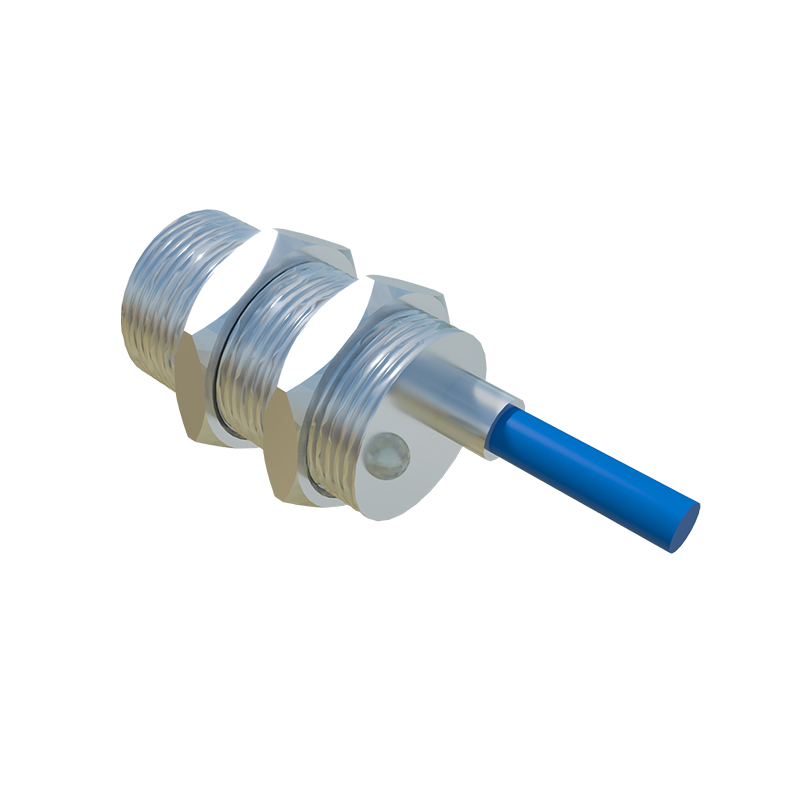
Capacitive proximity sensors are indispensable components in modern industrial automation, offering non-contact detection of a wide range of materials. Unlike inductive sensors that only detect metals, capacitive sensors can sense liquids, powders, granules, plastics, and even glass by measuring changes in capacitance. This versatility makes them a cornerstone in industries like food processing, packaging, pharmaceuticals, and chemical manufacturing.
The operating principle is based on the formation of an electrostatic field between the sensor's active surface and the target object. When an object enters this field, it alters the dielectric constant, causing a change in capacitance. The sensor's oscillator circuit detects this shift, triggering an output signal. Key parameters influencing performance include the sensing distance, which typically ranges from a few millimeters to about 40 mm, and the dielectric constant of the target material. Materials with higher dielectric constants, such as water or metals, are easier to detect at longer ranges compared to low-constant materials like dry wood or foam.
One of the primary advantages of capacitive sensors is their ability to function through non-metallic barriers. This allows for applications where the sensor must be isolated from harsh environments—for instance, detecting liquid levels inside a plastic tank or monitoring material through a glass wall. Modern designs often feature adjustable sensitivity potentiometers, enabling fine-tuning to ignore unwanted background interference or container walls. This adjustability is crucial in complex applications like detecting the fill level of adhesive in a bottle or controlling the thickness of paper sheets on a production line.
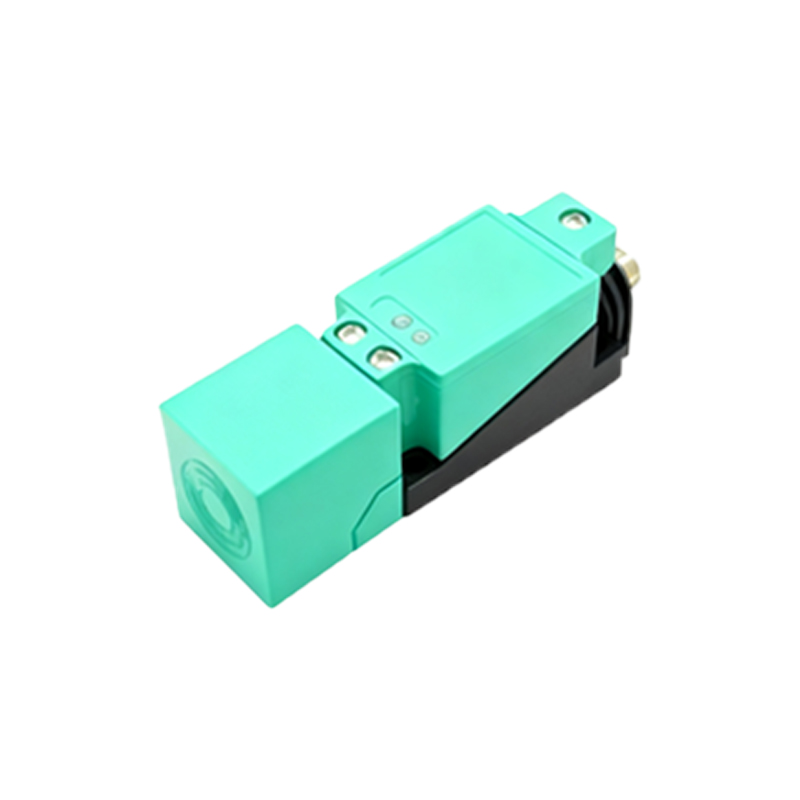
In packaging machinery, capacitive sensors reliably detect the presence of products in cardboard boxes or plastic wrappers. In the food industry, they monitor levels of flour, sugar, or liquids in silos without direct contact, preventing contamination. Chemical plants utilize them for leak detection or to sense corrosive fluids safely. When selecting a sensor, engineers must consider factors such as the housing material (typically PBT or stainless steel for durability), output type (PNP/NPN analog or digital), and environmental ratings like IP67 for dust and water resistance.
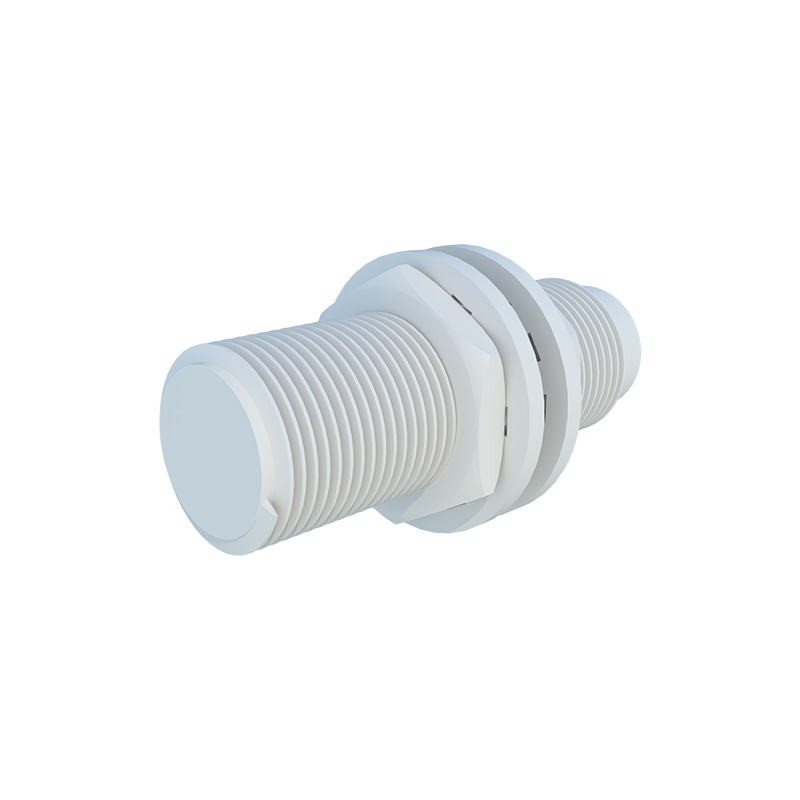
Installation and calibration are straightforward but require attention to detail. Sensors should be mounted securely, avoiding direct contact with conductive surfaces that could cause false triggering. The sensing field is conical, so maintaining adequate clearance from surrounding metal parts is essential. Regular maintenance involves checking for buildup of material on the sensor face, as contaminants like dust or moisture can affect sensitivity. Advanced models now incorporate IO-Link communication for digital parameter setting and diagnostic data, facilitating predictive maintenance and integration into Industry 4.0 systems.
Despite their robustness, challenges exist. Detecting low-dielectric materials at consistent ranges may require specialized high-sensitivity models. In environments with extreme temperature fluctuations or high electrical noise, shielding and proper grounding are mandatory. However, with correct selection and application, capacitive proximity sensors deliver unparalleled reliability, reducing mechanical wear and enhancing system efficiency. As automation evolves toward smarter, more flexible production lines, these sensors will continue to be vital for precise, non-invasive material handling and quality control.