In the realm of industrial automation and machine safety, proximity sensor switch lenses play a critical yet often understated role. These optical components are integral to the performance of photoelectric proximity sensors, which detect the presence or absence of objects without physical contact. The lens is not merely a protective cover; it is a precision-engineered element that shapes and directs the sensor's light beam, fundamentally determining the device's sensing range, accuracy, and reliability in challenging environments.
The core function of a proximity sensor switch lens is to collimate or focus the emitted light from an LED or laser diode. This process creates a defined sensing field. A well-designed lens ensures a sharp, consistent beam profile, which minimizes false triggers and enhances detection repeatability. Conversely, a poorly manufactured lens can lead to beam dispersion, reducing effective range and causing unreliable operation. Lenses are typically crafted from durable materials like polycarbonate, acrylic, or specialized optical glass. The choice of material is paramount, as it must withstand industrial hazards including chemical splashes, abrasive dust, temperature extremes, and physical impact. Many industrial-grade lenses incorporate additives for UV resistance or feature hydrophobic coatings to repel water and oils, maintaining optical clarity.
There are several key lens types, each tailored for specific sensing modes. Through-beam sensors, which consist of separate emitter and receiver units, often use simple convex lenses to produce a parallel beam over long distances. Retro-reflective sensors, which bounce light off a reflector, may employ lenses designed to slightly focus the beam for precise alignment with the target reflector. Diffuse or proximity sensors, where the emitter and receiver are housed in the same unit, utilize the most sophisticated lens designs. Here, the lens must carefully separate the emitted light path from the field of view of the receiver, optimizing the sensor's ability to detect objects at a specific, repeatable distance while ignoring the background.
The design and selection of the lens directly influence critical sensor specifications. The sensing range, often listed in datasheets, is largely a function of the lens's ability to concentrate light energy. The size and shape of the beam spot—whether a small point, a thin line, or a wide fan—are dictated by the lens geometry. This allows engineers to select a sensor with a "pinpoint" lens for detecting small objects or a "wide-angle" lens for covering a larger area. Furthermore, advanced lenses help mitigate common issues such as background suppression. By using optical triangulation principles within the lens assembly, background suppression sensors can be tuned to ignore objects beyond a set distance, a feature invaluable in applications where the target must be distinguished from a conveyor belt or machinery behind it.
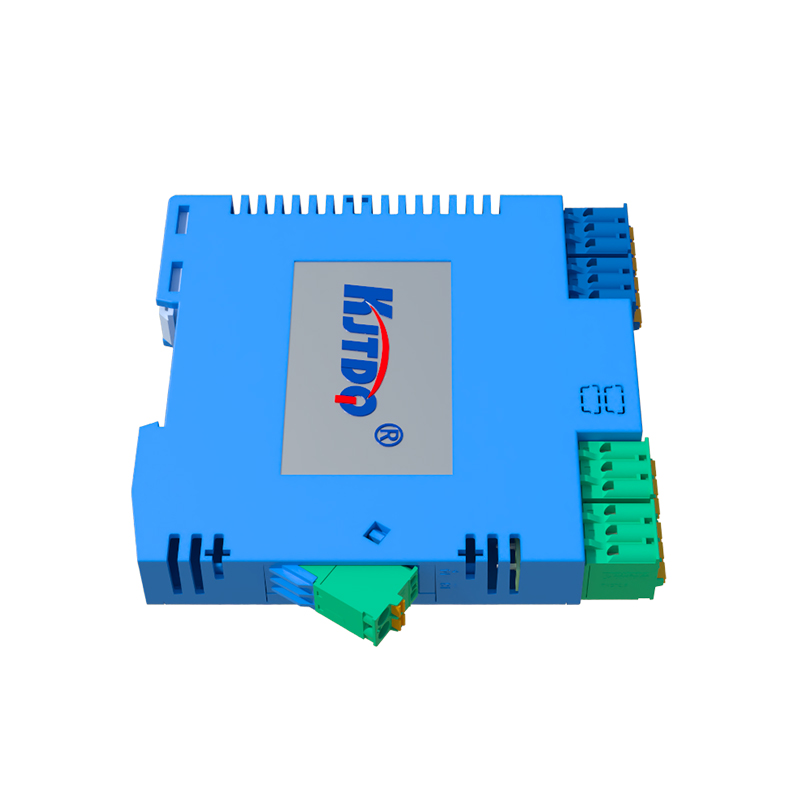
In practical application, the importance of the lens becomes starkly apparent. On high-speed packaging lines, sensors with precisely focused lenses reliably detect labels, caps, or product presence, ensuring packaging integrity. In automated guided vehicles (AGVs), lenses with wide, uniform beam patterns enable accurate pallet detection and collision avoidance. Within harsh environments like welding cells or paint booths, the lens's material and sealing protect the sensitive internal electronics from spatter and fumes. Even in everyday consumer electronics, miniature proximity sensor lenses enable features like automatic screen dimming during phone calls.
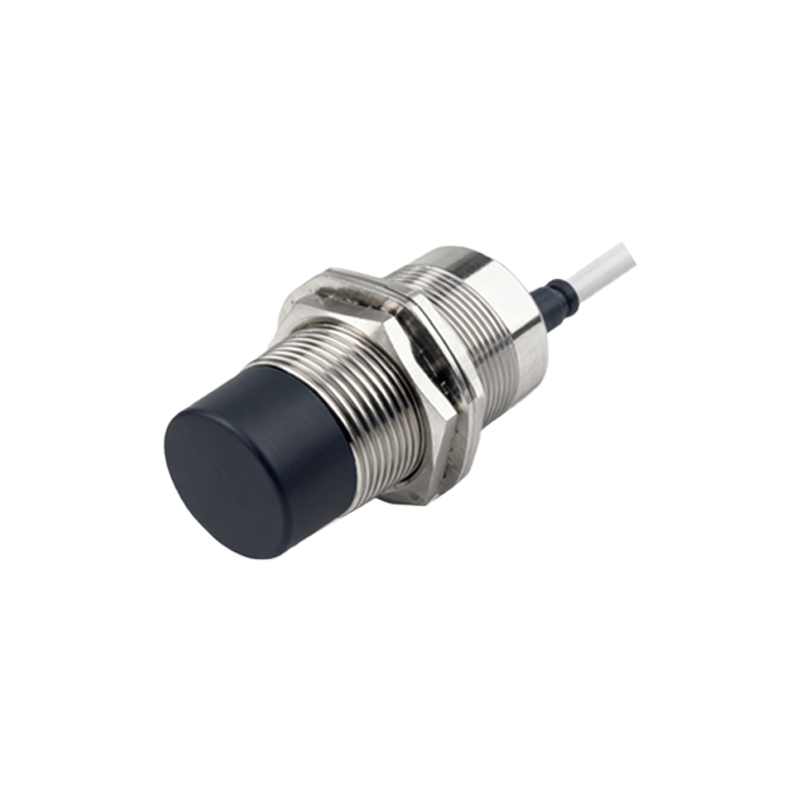
Maintenance and installation practices are also lens-centric. A clean, unscratched lens is essential for optimal performance. Accumulated dirt, grease, or condensation can attenuate the light signal, leading to sensor failure. Regular inspection and cleaning with appropriate solvents are standard preventive maintenance procedures. During installation, technicians must ensure the lens is correctly aligned with the intended target path, as even minor angular deviations can significantly reduce effective range.

Looking forward, innovations in lens technology continue to push the boundaries of proximity sensing. The integration of micro-optics and molded polymer lenses allows for more compact sensor designs with enhanced capabilities. Smart sensors now sometimes incorporate lens systems that can be optically or digitally tuned in the field, offering greater flexibility. As Industry 4.0 drives demand for higher precision and data-rich sensing, the humble switch lens remains at the optical heart of reliable, non-contact detection, proving that in sensor technology, clarity truly begins with the lens.