Proximity sensors are essential components in modern automation and safety systems, capable of detecting the presence or absence of an object without physical contact. Proper wiring is crucial for their reliable operation. This guide provides a clear, step-by-step approach to connecting different types of proximity sensors, ensuring both functionality and safety.
Before starting any wiring work, always disconnect power to the circuit. Verify the sensor's specifications, including voltage rating (commonly 12-24V DC or 110-240V AC), output type (PNP or NPN for DC sensors, normally open or normally closed), and sensing range. Gather necessary tools: wire strippers, screwdrivers, and appropriate cables.
For a typical three-wire DC proximity sensor, the wires are usually color-coded: brown for positive, blue for negative, and black for the output signal. Connect the brown wire to the positive terminal of your power supply and the blue wire to the negative terminal. The black output wire should be connected to the input of your controller, such as a PLC or relay. Ensure all connections are secure and insulated.
In the case of a two-wire AC sensor, wiring is simpler: one wire connects to the live side of the AC supply, and the other wire connects to the load. The load, often a relay coil, then links to the neutral line. Remember that two-wire sensors have a small leakage current even when off, which may affect sensitive loads.
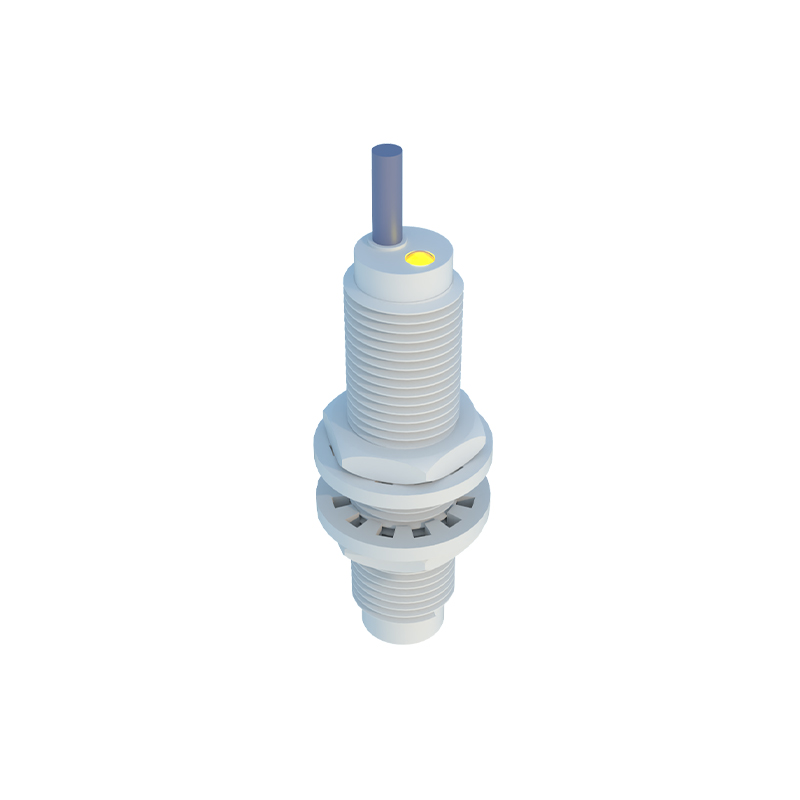
Shielded cables are recommended for environments with electrical noise to prevent false triggering. Route sensor cables away from high-voltage lines and motors. After wiring, apply power and test the sensor by bringing a target object within its sensing range. Use a multimeter to check the output voltage if the sensor fails to respond.
Regular maintenance includes checking for loose connections, corrosion, and physical damage. Incorrect wiring can lead to sensor failure or equipment damage, so double-check each step. By following these practices, you can ensure your proximity sensor operates accurately and extends its service life in industrial applications.
Understanding the wiring principles not only aids in installation but also in troubleshooting. Whether for conveyor systems, machine guarding, or object counting, a correctly wired proximity sensor enhances system efficiency and safety. Always refer to the manufacturer's datasheet for model-specific details, as wiring colors and terminal assignments can vary.