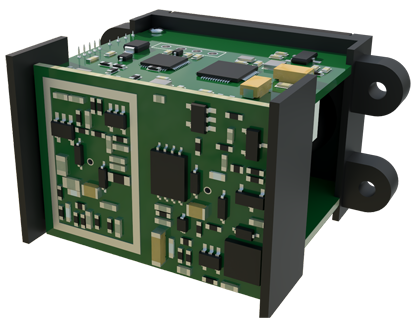
In the industrial safety and environmental monitoring sectors, laser methane sensor modules have become a critical technology for detecting methane leaks with high precision and reliability. Unlike traditional catalytic bead or infrared sensors, these modules utilize Tunable Diode Laser Absorption Spectroscopy (TDLAS) to offer superior selectivity, minimal drift, and a long operational life without frequent calibration. A common and primary consideration for project engineers, system integrators, and procurement managers is the price of these advanced modules. Understanding the factors that influence laser methane sensor module pricing is essential for making informed purchasing decisions that balance performance, compliance, and budget.
The price of a laser methane sensor module is not a single fixed figure but a spectrum influenced by several key determinants. At the core, the performance specifications dictate a significant portion of the cost. Modules with a lower detection limit, often reaching sub-ppm (parts per million) levels, command a higher price due to the sophisticated laser and optical components required. Similarly, modules designed for a wider measurement range, capable of detecting from trace amounts up to 100% volume, involve more complex engineering. Measurement speed and response time are also cost drivers; applications requiring real-time, instantaneous leak detection necessitate faster electronics and data processing algorithms. Furthermore, the inclusion of advanced features such as built-in temperature and pressure compensation, digital communication protocols (like Modbus, RS-485, or 4-20mA output), and robust housing for hazardous area certifications (ATEX, IECEx, UL) all contribute to the final price. A basic module for general monitoring may start at a lower price point, while a fully certified, explosion-proof module with ultra-high sensitivity for oil and gas refineries will represent a premium investment.
Beyond the technical specifications, the brand and origin of the module play a substantial role in its market price. Established manufacturers from Europe, North America, and Japan, with long-standing reputations for quality and reliability, typically price their modules at a premium. This cost reflects not only the advanced R&D and stringent quality control but also comprehensive after-sales support, long-term warranty, and global certification compliance. On the other hand, manufacturers from other regions may offer more competitively priced modules. While these can provide excellent value, it is crucial for buyers to rigorously verify performance data, certification authenticity, and the availability of technical support. The total cost of ownership (TCO) should be evaluated, considering factors like calibration intervals, expected lifespan, and maintenance requirements, rather than just the initial purchase price.
The intended application and required certifications are perhaps the most decisive factors in pricing stratification. For instance, a laser methane sensor module designed for simple agricultural biogas monitoring or landfill perimeter checks may have a relatively moderate price. In contrast, modules mandated for use in potentially explosive atmospheres (Zone 1 or Zone 2) require expensive explosion-proof enclosures and rigorous testing to meet ATEX or IECEx standards, significantly increasing the cost. Similarly, modules integrated into continuous emission monitoring systems (CEMS) for regulatory compliance or those used for unmanned aerial vehicle (UAV)-based pipeline surveys require specialized ruggedization and communication capabilities, adding to the price.
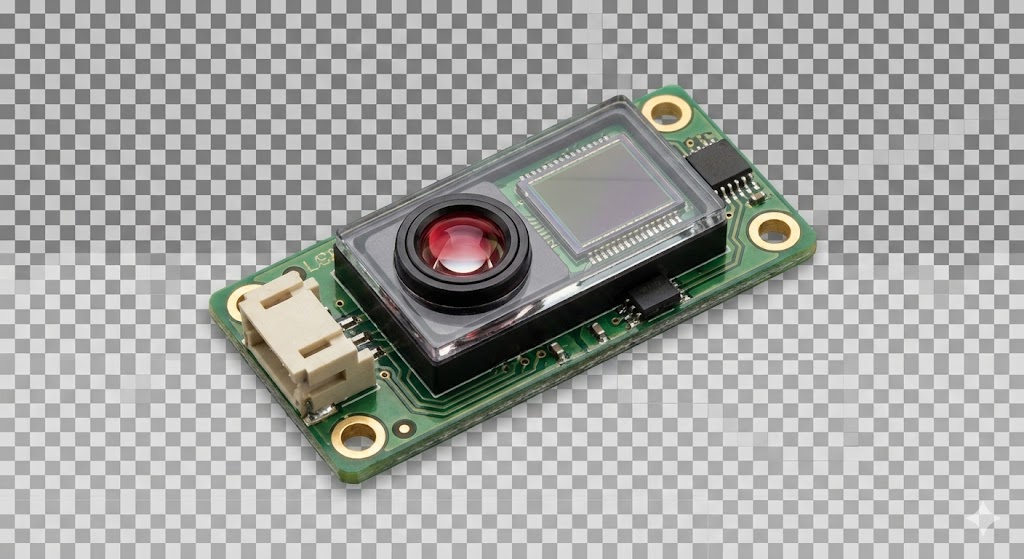
As of the current market analysis, entry-level laser methane sensor modules for basic applications can range from several hundred to a few thousand US dollars. Mid-range modules, offering good sensitivity, standard digital outputs, and basic industrial housing, typically fall within a bracket of a few thousand dollars. High-end modules, featuring the lowest detection limits, fastest response times, full hazardous area certifications, and robust environmental protection (IP67), can reach prices significantly higher, often extending into the tens of thousands of dollars per unit. It is highly advisable for buyers to obtain detailed quotations from multiple suppliers, clearly specifying their application needs, required performance metrics, and certification mandates.
In conclusion, the price of a laser methane sensor module is a direct reflection of its technological sophistication, performance pedigree, and compliance stature. Investing in the right module is an investment in safety, operational efficiency, and regulatory adherence. By carefully analyzing the technical requirements against the project budget and prioritizing the total cost of ownership, organizations can select a laser methane sensor module that delivers optimal value and unparalleled detection capability for years to come.