Proximity sensor jack type devices represent a critical advancement in industrial automation and electronic systems. These sensors are designed to detect the presence or absence of objects within a specific range without physical contact, utilizing technologies such as inductive, capacitive, or photoelectric principles. The term "jack type" refers to the compact, plug-in design that allows for easy installation and integration into existing machinery or control panels. This form factor is particularly advantageous in environments where space is limited or where rapid deployment and replacement are necessary.
The operational mechanism of proximity sensor jack types relies on generating an electromagnetic field or beam. When an object enters this field, it causes a change in the signal, which is then converted into an electrical output. This output can trigger actions like activating alarms, controlling machinery, or recording data. For instance, in manufacturing assembly lines, these sensors ensure precise positioning of components, reducing errors and enhancing efficiency. Their non-contact nature minimizes wear and tear, leading to lower maintenance costs and longer service life compared to mechanical switches.
Applications of proximity sensor jack types span diverse industries. In automotive manufacturing, they monitor the placement of parts during production, while in packaging, they verify the presence of items on conveyor belts. The food and beverage sector benefits from their hygiene-friendly design, as they can be sealed against dust and moisture. Additionally, in safety systems, these sensors detect unauthorized access or hazardous conditions, contributing to workplace protection. The jack-type configuration simplifies wiring and connectivity, often featuring standardized interfaces like M12 or M8 connectors, which support quick upgrades and compatibility with various control units.
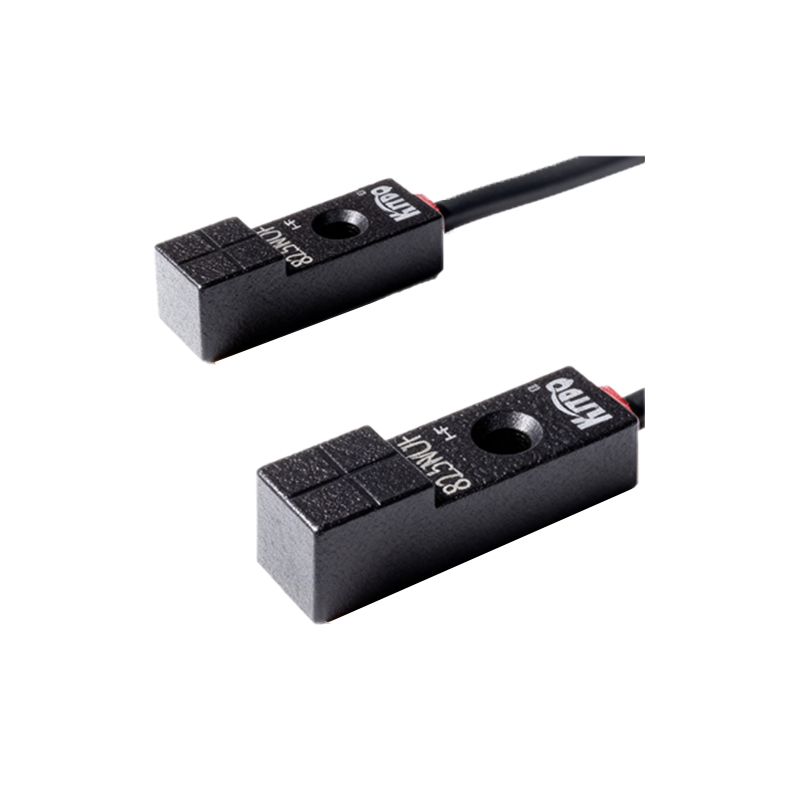
When selecting a proximity sensor jack type, factors such as sensing range, material compatibility, and environmental conditions must be considered. For example, inductive sensors are ideal for metal objects, while capacitive versions can detect non-metallic materials. The operating temperature, voltage requirements, and output type (e.g., NPN or PNP) also influence performance. Regular calibration and testing ensure accuracy, especially in high-precision settings like robotics or medical equipment. Innovations in this field continue to focus on miniaturization, enhanced sensitivity, and IoT integration, enabling real-time monitoring and data analytics for smarter industrial operations.
In summary, proximity sensor jack types offer a reliable and efficient solution for object detection in automated systems. Their plug-and-play design, combined with robust functionality, makes them indispensable in modern technology landscapes. As industries evolve toward greater automation, the demand for these sensors is expected to grow, driven by needs for precision, safety, and operational efficiency. By understanding their principles and applications, engineers and technicians can optimize system performance and adapt to emerging challenges in sectors like manufacturing, logistics, and beyond.