In today's rapidly evolving industrial landscape, the demand for high-precision, reliable, and efficient detection solutions has never been greater. Laser proximity sensors have emerged as a critical component in meeting these demands, offering unparalleled accuracy and versatility across a wide range of applications. This article delves into the fundamental principles, key features, and practical benefits of laser proximity sensors, providing a comprehensive overview for engineers and industry professionals seeking to optimize their automation and control systems.
Laser proximity sensors operate on the principle of triangulation or time-of-flight measurement, utilizing a focused laser beam to detect the presence, absence, or position of an object without physical contact. In triangulation-based sensors, a laser diode emits a beam that reflects off the target surface onto a position-sensitive detector. The angle of the reflected light changes with the distance to the target, allowing the sensor to calculate precise measurements. Time-of-flight sensors, on the other hand, measure the time it takes for a laser pulse to travel to the target and back, determining distance based on the speed of light. Both methods enable non-contact detection with micron-level resolution, making these sensors ideal for applications where precision is paramount.
One of the standout advantages of laser proximity sensors is their exceptional accuracy and repeatability. Capable of detecting objects as small as a fraction of a millimeter, they excel in tasks such as part positioning, thickness measurement, and edge detection in manufacturing lines. For instance, in automotive assembly, these sensors ensure components are aligned correctly, reducing errors and enhancing product quality. Similarly, in electronics manufacturing, they facilitate the precise placement of microchips and circuit boards, minimizing waste and improving throughput. The ability to maintain consistent performance even in challenging environments—such as those with vibrations, dust, or varying ambient light—further underscores their reliability.
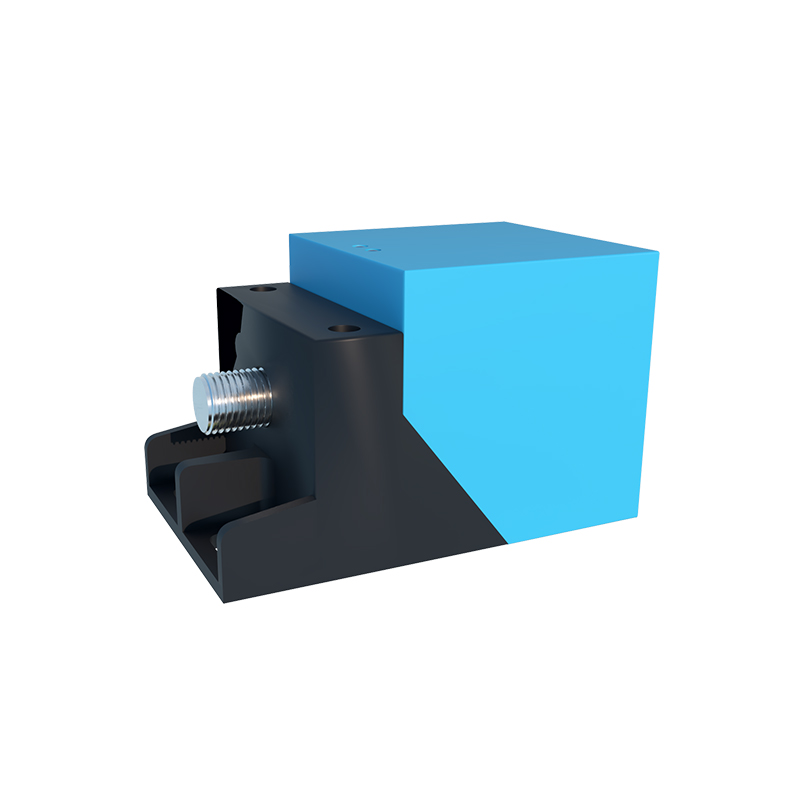
Another key feature is their fast response time. Laser proximity sensors can achieve detection speeds in the microsecond range, enabling real-time monitoring and control in high-speed processes. This is particularly valuable in packaging, robotics, and conveyor systems where rapid object identification and sorting are essential. By integrating these sensors, companies can boost operational efficiency, reduce downtime, and adapt quickly to changing production demands. Additionally, many modern laser sensors offer adjustable sensing ranges and programmable outputs, allowing for seamless integration with PLCs (Programmable Logic Controllers) and other industrial automation equipment.
Durability and ease of use are also significant considerations. Designed to withstand harsh industrial conditions, laser proximity sensors often feature rugged housings rated for IP67 or higher, protecting against moisture, chemicals, and mechanical impact. Their compact size facilitates installation in space-constrained areas, while intuitive setup interfaces—such as teach-in functions or software configuration tools—simplify calibration and maintenance. This user-friendly design reduces training requirements and ensures long-term operational stability.
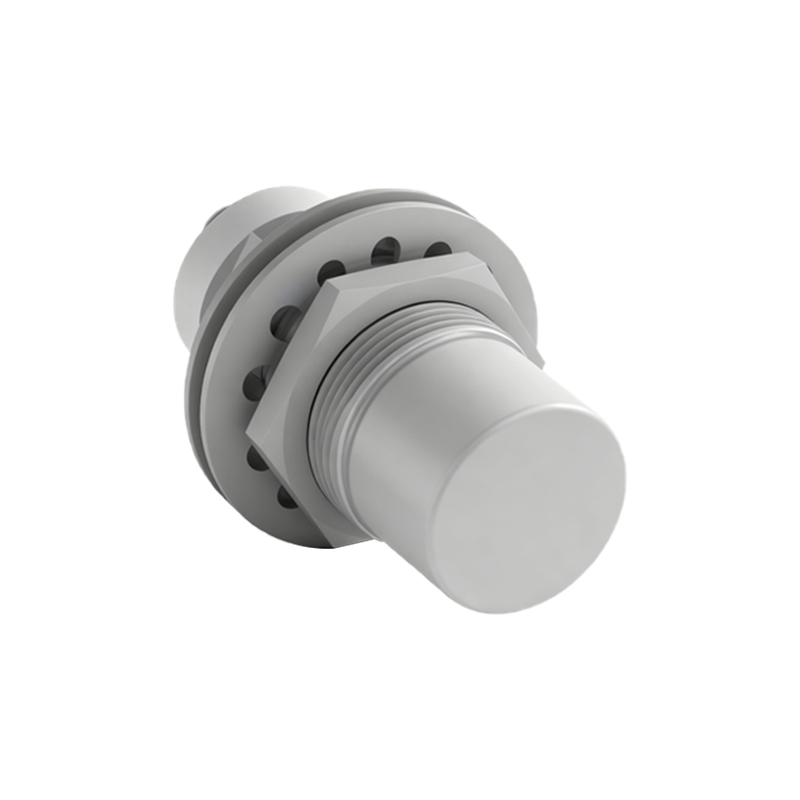
In terms of applications, laser proximity sensors are ubiquitous across sectors. In logistics, they enable accurate parcel dimensioning and automated guided vehicle navigation. In food and beverage production, they monitor fill levels and detect packaging defects without contamination risks. The aerospace industry relies on them for precision machining and component inspection, while in pharmaceuticals, they support quality control in sterile environments. As Industry 4.0 advances, these sensors are increasingly integrated into IoT (Internet of Things) networks, providing data for predictive analytics and smart factory initiatives.
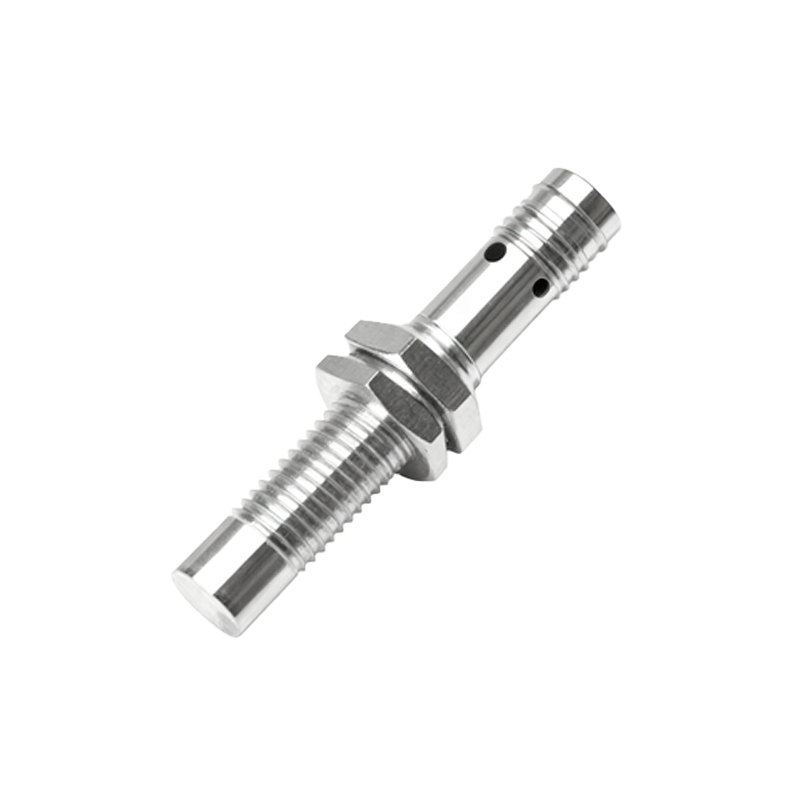
Despite their many benefits, selecting the right laser proximity sensor requires careful evaluation of factors like sensing range, resolution, environmental compatibility, and cost. Engineers should consult technical specifications and conduct trials to ensure optimal performance. Looking ahead, ongoing innovations in laser technology—such as the development of blue lasers for enhanced visibility or AI-driven signal processing—promise to further expand the capabilities and adoption of these sensors.
In conclusion, laser proximity sensors represent a cornerstone of modern industrial automation, delivering precision, speed, and reliability that drive productivity and innovation. By understanding their operation and applications, professionals can leverage these tools to enhance system performance and stay competitive in a dynamic market.