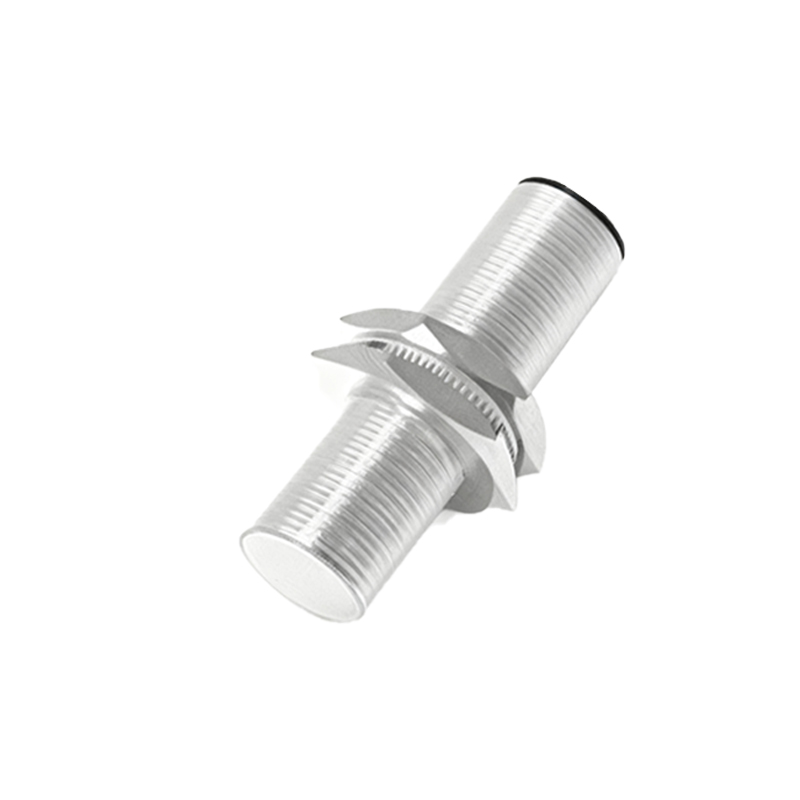
In industrial automation and control systems, proximity sensors are indispensable components for non-contact detection of objects. They are renowned for their reliability, long service life, and resistance to harsh environments. However, like any electrical device, they are susceptible to failures, with short circuits being a particularly disruptive and potentially hazardous issue. A short circuit in a proximity sensor can lead to system downtime, damage to connected equipment like PLCs, and even pose safety risks. Understanding the root causes of these shorts is the first step toward effective prevention and maintenance.
One of the most prevalent causes of short circuits in proximity sensors is insulation breakdown. The sensor's internal wiring, coil windings (in inductive types), or output transistor circuits are protected by insulation materials. Over time, this insulation can degrade due to several factors. Excessive heat is a primary culprit. Operating a sensor consistently above its rated temperature, often due to poor environmental ventilation or proximity to heat sources like motors or furnaces, accelerates insulation aging. The insulation becomes brittle and can crack, allowing conductive elements to touch. Similarly, chemical exposure is a significant threat. Harsh industrial atmospheres containing oils, coolants, solvents, or corrosive gases can attack and break down the sensor's housing seals and internal insulation materials. Moisture ingress, often a result of failed seals, condensation, or direct water exposure (e.g., from washdowns without appropriate IP rating), leads to tracking—where current finds a path across damp surfaces, effectively creating a short.
Physical damage to the sensor body or cable is another direct route to a short circuit. Impact from machinery, tools, or falling objects can crack the sensor housing. This breach not only allows contaminants inside but can also physically crush and short internal components. Cable damage is equally common. Cables can be pinched in cable carriers, crushed by heavy equipment, cut by sharp edges, or suffer from repeated flexing leading to broken strands that may contact each other. Improper installation practices, such as over-tightening cable glands, can deform the cable and damage its internal insulation, creating a point of failure.
Electrical overload and voltage transients are insidious causes that can cause instantaneous failure. While proximity sensors have specified voltage ranges, connecting them to an incorrect power supply (e.g., applying 240VAC to a 24VDC sensor) will cause catastrophic failure, often melting internal wiring and creating a direct short. More subtle are voltage spikes or surges on the supply line. These transients can be induced by lightning strikes, the switching of large inductive loads (motors, solenoids) elsewhere on the same circuit, or electrostatic discharge (ESD) during handling. A spike exceeding the sensor's dielectric strength can arc across insulation gaps or destroy the solid-state output switching element, creating a shorted state.
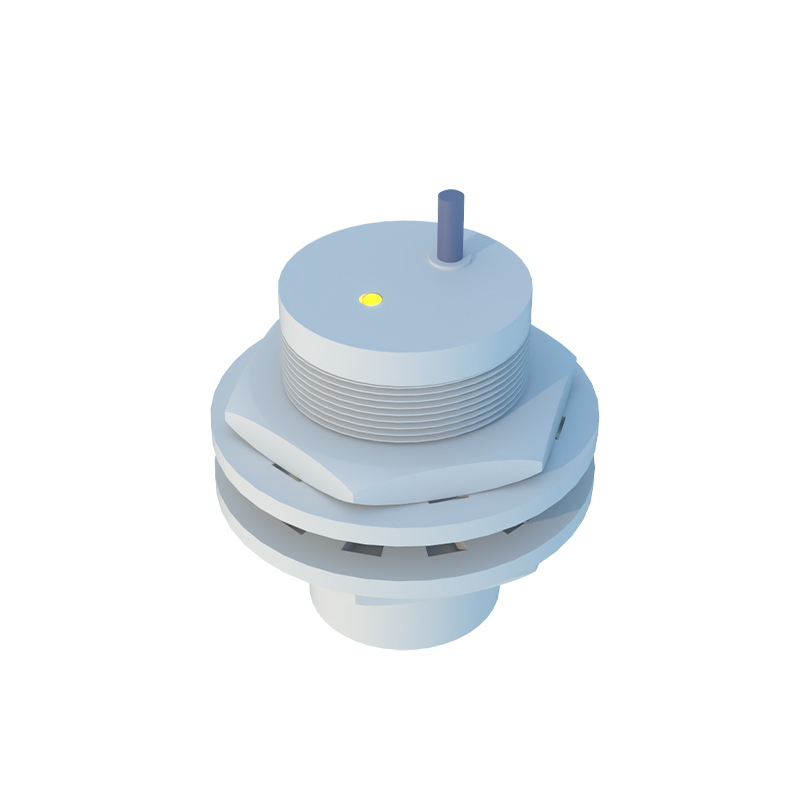
Internal manufacturing defects, though less common, can be a root cause. These might include poor solder joints that can bridge connections under vibration, contaminants left inside the housing during assembly, or substandard insulation materials. These flaws may not cause immediate failure but can lead to a short circuit under normal operating stresses over time.
Preventing short circuits requires a proactive, multi-faceted approach. First, correct selection and installation are paramount. Choose a sensor with an appropriate Ingress Protection (IP) rating (e.g., IP67 for washdown areas) and material compatibility (e.g., stainless steel for corrosive environments). Ensure the operating temperature range suits the application. During installation, route cables properly using conduits or cable trays away from sharp edges, moving parts, and heat sources. Use strain relief and correctly torque cable glands. Electrically, employ protective devices such as surge suppressors or transient voltage suppression (TVS) diodes on the supply lines, especially in environments prone to spikes. Proper grounding of the sensor, machine, and control cabinet is non-negotiable.
A disciplined maintenance regimen is crucial. Implement regular visual inspections of sensors and cabling for signs of damage, cracks, or moisture. Periodically check electrical integrity with insulation resistance testers (meggers) to detect early-stage insulation degradation before a complete short occurs. Monitor system voltages for stability. Keeping sensors clean from excessive buildup of conductive dust, metal chips, or oils also prevents tracking and overheating.
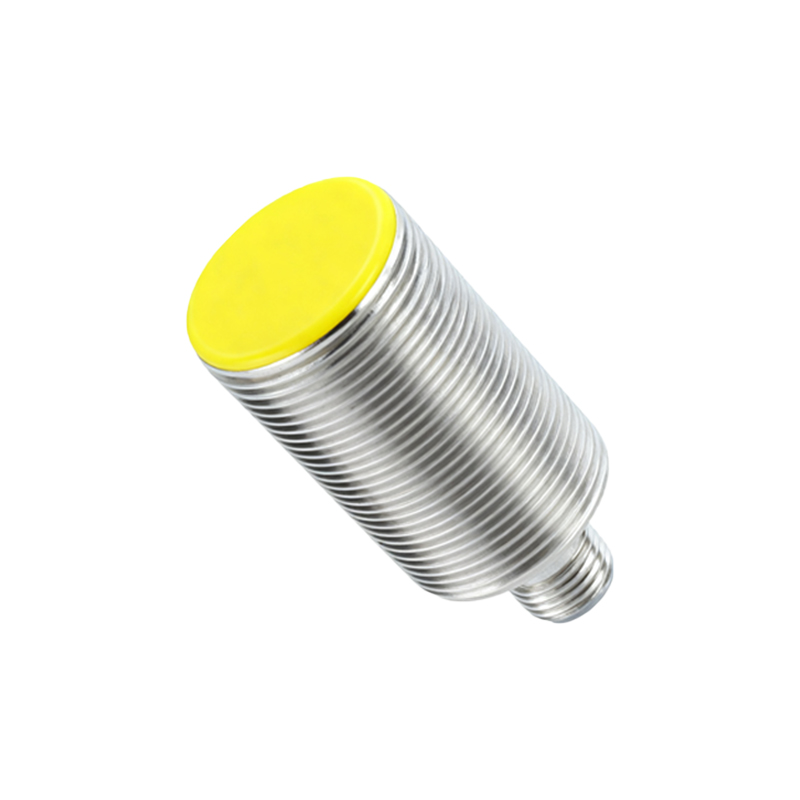
When a short circuit is suspected—often indicated by a blown fuse, tripped circuit breaker, or a PLC input stuck in the "on" state—systematic troubleshooting is needed. Safely isolate power, then use a multimeter to check for continuity (low resistance) between the sensor's power supply wires and between the output wire and common/ground, with the sensor disconnected. Identifying the specific cause of the failure, rather than just replacing the sensor, is key to preventing recurrence. By understanding these common causes and implementing robust selection, installation, and maintenance practices, engineers can significantly enhance the reliability and longevity of their proximity sensing systems, minimizing