In the realm of industrial automation and control systems, proximity sensors stand as critical components for non-contact detection, and among them, the 20mm proximity sensor holds a prominent position due to its versatility and reliability. This article delves into the operational principles, key specifications, selection criteria, and diverse applications of these sensors, providing a comprehensive guide for engineers and technicians.
A 20mm proximity sensor, as the name implies, typically refers to the sensing distance or the diameter of the sensing face, often being 20mm. These sensors are predominantly inductive or capacitive in nature. Inductive proximity sensors are designed to detect metallic objects without physical contact. They operate by generating an electromagnetic field from a coil in the oscillator circuit. When a metallic target enters this field, eddy currents are induced, causing a change in the oscillation amplitude. This change is detected by the sensor's circuitry, which then triggers a solid-state output switch. Their robust construction makes them ideal for harsh industrial environments with dust, oil, or coolant. Capacitive proximity sensors, on the other hand, can detect both metallic and non-metallic materials (like plastics, wood, or liquids) by sensing changes in capacitance caused by the target's dielectric properties.
Key specifications for a 20mm proximity sensor extend beyond just the nominal sensing distance. Engineers must consider factors such as the sensing range (which can be adjustable or fixed), the type of output (PNP/NPN, NO/NC), supply voltage (commonly 10-30V DC), switching frequency, housing material (often nickel-plated brass or stainless steel), and environmental ratings like IP67 for protection against dust and temporary immersion. The 20mm form factor often provides a good balance between detection range and physical size, suitable for many machine design constraints.
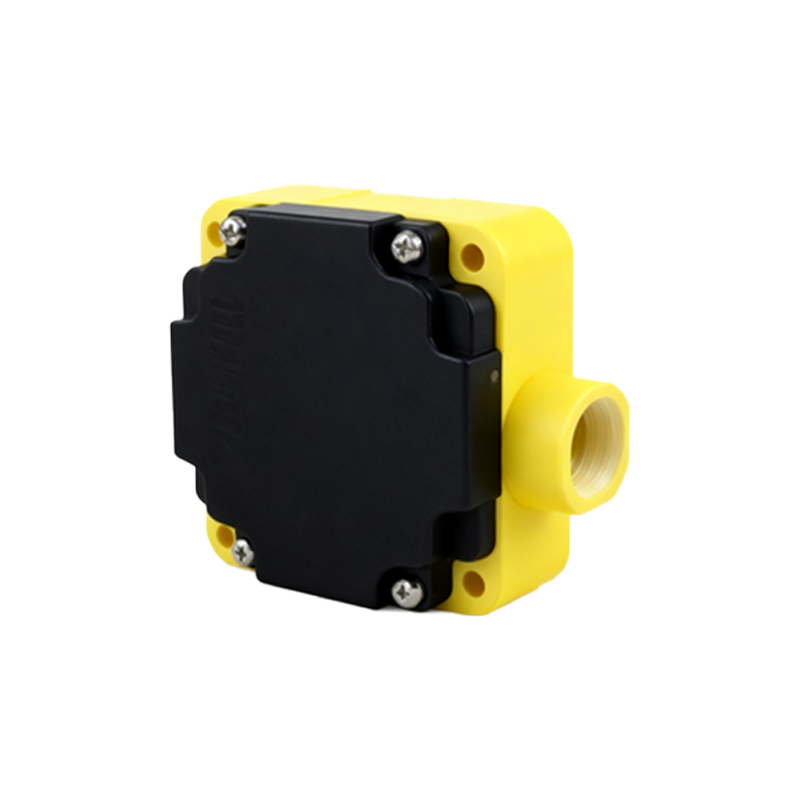
Selecting the appropriate 20mm proximity sensor requires a thorough analysis of the application. For metal detection tasks in assembly lines, robotic arms, or CNC machines, inductive sensors are the default choice. Their immunity to non-metallic substances ensures stable operation. For level detection of granular materials in silos, packaging of non-metallic products, or presence detection of glass or liquid containers, capacitive sensors are indispensable. It is crucial to ensure the target material, size, and required installation conditions align with the sensor's specifications. Factors like temperature extremes, potential chemical exposure, and required response time must also be evaluated.
The applications of 20mm proximity sensors are vast and integral to modern manufacturing. They are commonly employed for position sensing to verify if a part is correctly seated in a fixture, for end-of-travel detection on linear actuators, for counting metallic objects on conveyors, and for safety interlocking on machine guards. In automated packaging lines, capacitive variants monitor the presence of bottles or boxes. Their non-contact nature eliminates mechanical wear, ensuring long service life and maintenance-free operation, which is paramount for minimizing downtime and optimizing production efficiency.
Installation and wiring are straightforward but require attention to detail. Proper mounting, ensuring adequate clearance from other metal objects (to avoid false triggering), and correct connection to the controller (PLC) are essential. Shielding considerations are also important in electrically noisy environments. Regular functional checks should be part of preventive maintenance routines to ensure continued reliability.
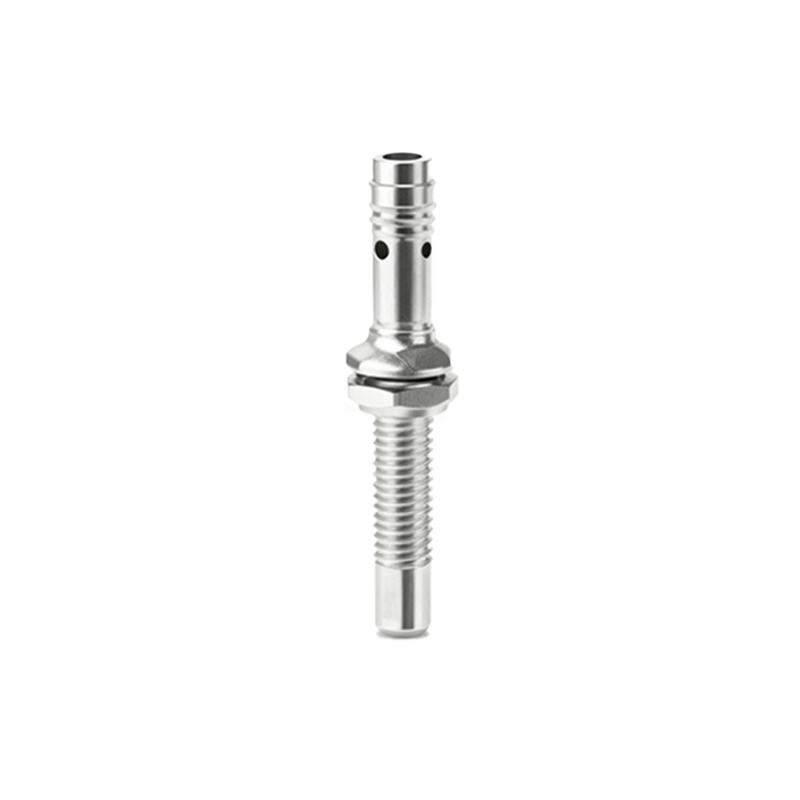
In conclusion, the 20mm proximity sensor is a fundamental building block in industrial automation. Its ability to provide precise, reliable, and non-contact detection of objects makes it indispensable for enhancing productivity, ensuring quality control, and enabling sophisticated machine sequencing. By understanding its technology and carefully matching it to the application requirements, engineers can design more robust, efficient, and intelligent automated systems.