In the realm of industrial automation and process control, accurate and reliable level measurement is paramount. Among the diverse technologies available, proximity level sensors stand out for their non-contact operation, robustness, and versatility. These sensors detect the presence or absence of a target material without physical touch, making them ideal for applications involving corrosive, abrasive, or sticky substances, or in sterile environments where contamination must be avoided.
The fundamental principle behind proximity level sensors is based on electromagnetic fields. The most common types are inductive and capacitive sensors. Inductive proximity sensors generate an oscillating electromagnetic field. When a conductive metallic target enters this field, eddy currents are induced on the target's surface. This causes a change in the oscillation amplitude, which is detected by the sensor's circuitry, triggering a switching signal. Consequently, inductive sensors are primarily used for detecting metallic materials like steel, aluminum, or copper. They are excellent for applications such as monitoring metal powder levels in hoppers or detecting the position of a metal bin lid.
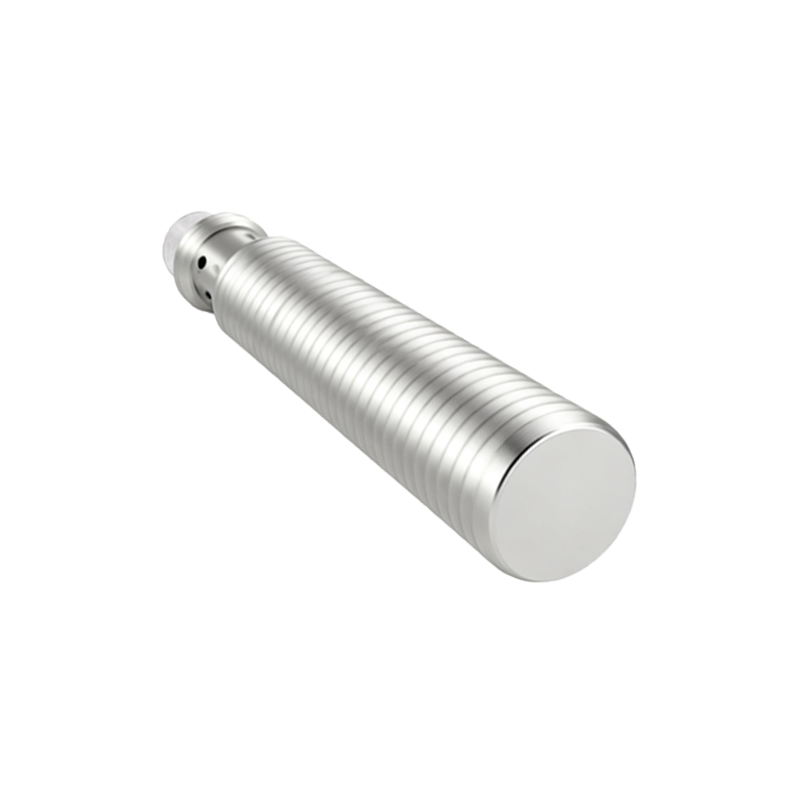
Capacitive proximity sensors, on the other hand, can detect both conductive and non-conductive materials, including liquids, granules, powders, and plastics. They operate by generating an electrostatic field. Any material that enters this field alters the capacitance between the sensor's active face and the ground. This change in capacitance is measured, and when it exceeds a preset threshold, the sensor's output state changes. This makes capacitive sensors incredibly versatile for bulk solid or liquid level detection, such as monitoring grain in a silo, plastic pellets in a feed system, or water in a tank. Many capacitive sensors feature adjustable sensitivity, allowing them to ignore buildup on vessel walls or be tuned for specific material properties.
Another prominent technology is the ultrasonic proximity sensor, which uses sound waves. It emits high-frequency ultrasonic pulses and measures the time taken for the echo to return from the target material's surface. The time-of-flight calculation directly correlates to the distance, enabling continuous level measurement. Ultrasonic sensors are suitable for a wide range of solids and liquids and are unaffected by material color, transparency, or conductivity. However, factors like dust, heavy vapor, or extreme surface angles can affect performance.
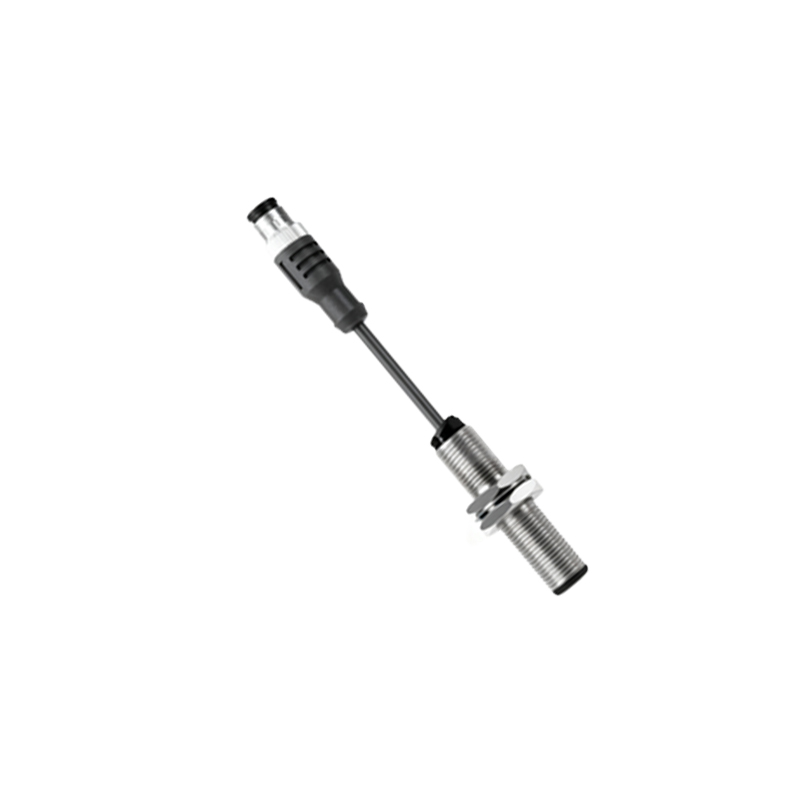
When selecting a proximity level sensor for a specific application, several critical factors must be considered. First is the material type: Is it metallic, non-metallic, liquid, or solid? This dictates the choice between inductive, capacitive, or ultrasonic technologies. The second factor is the installation environment. Considerations include temperature ranges, pressure conditions, potential for chemical exposure, and the presence of dust or steam. Sensors are available with various housing materials (e.g., stainless steel, PEEK, PTFE) and ingress protection (IP) ratings to withstand harsh industrial environments.
Process connection and mounting are also vital. Sensors come with threaded barrels, flange mounts, or specialized fittings to integrate seamlessly into tanks, pipes, or hoppers. The sensing range must be appropriate for the application, ensuring the sensor can reliably detect the material from its installed position. Output type is another key decision point. Common outputs include discrete on/off signals (PNP/NPN, relay) for point-level detection (high/low alarm) and analog signals (4-20 mA, 0-10V) for continuous level monitoring. Some advanced sensors also offer digital communication via IO-Link, providing detailed diagnostic data and parameterization capabilities.
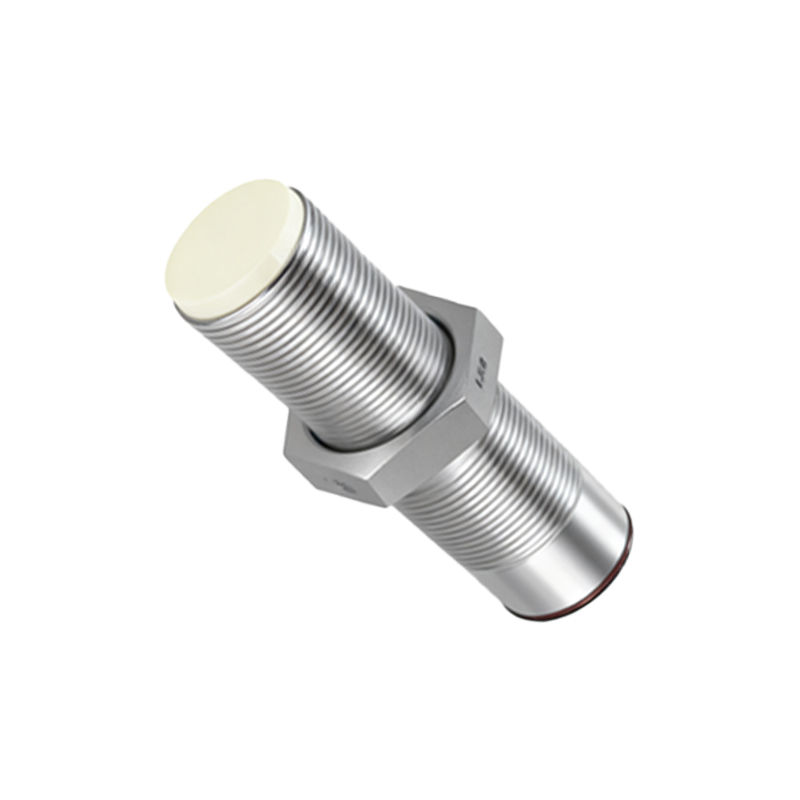
Maintenance and reliability are significant advantages of proximity sensors. With no moving parts to wear out and a non-contact design, they typically offer long service life with minimal upkeep. However, proper installation is crucial. For capacitive sensors, incorrect grounding or ignoring the effects of material buildup can lead to false triggering. For ultrasonic sensors, ensuring a clear "acoustic window" free from obstructions is essential.
In conclusion, proximity level sensors are indispensable tools for modern industrial automation. By understanding the core principles of inductive, capacitive, and ultrasonic technologies, engineers can make informed selections to optimize process efficiency, ensure safety, and reduce waste. Their ability to provide reliable, maintenance-free operation in challenging conditions solidifies their role as a cornerstone of effective material handling and process control systems across industries from food and beverage to pharmaceuticals, chemicals, and manufacturing.