In modern industrial automation, proximity sensors play a critical role in enabling efficient and reliable start-stop control of machinery and processes. These non-contact sensing devices detect the presence or absence of objects within a defined range, triggering actions such as starting a conveyor belt, halting a robotic arm, or activating a safety interlock. Unlike mechanical limit switches, proximity sensors offer enhanced durability, faster response times, and minimal maintenance, making them indispensable in harsh environments where dust, moisture, or vibration are prevalent.
There are several types of proximity sensors commonly used for start-stop applications, including inductive, capacitive, and magnetic variants. Inductive sensors are ideal for detecting metallic objects, utilizing electromagnetic fields to sense ferrous and non-ferrous metals without physical contact. They are widely employed in metalworking, automotive assembly, and packaging lines to initiate or cease operations based on part positioning. Capacitive sensors, on the other hand, can detect both metallic and non-metallic materials, such as plastics, liquids, or wood, by measuring changes in capacitance. This versatility makes them suitable for industries like food processing or pharmaceuticals, where varied materials require precise control. Magnetic proximity sensors, often used with moving components like cylinders or actuators, rely on magnetic fields to detect position changes, ensuring accurate start-stop timing in pneumatic or hydraulic systems.
The integration of proximity sensors into control systems involves careful consideration of factors like sensing range, output type, and environmental conditions. For start-stop functionality, sensors typically provide digital outputs (e.g., PNP or NPN) that interface with programmable logic controllers (PLCs) or relay circuits. When an object enters the sensing zone, the sensor sends a signal to the controller, which then executes a pre-programmed command—such as starting a motor or stopping a process. This seamless interaction enhances operational efficiency by reducing downtime and preventing equipment collisions. For instance, in an automated warehouse, proximity sensors can detect pallets on a conveyor, triggering the system to start sorting mechanisms or stop the line for loading, thereby optimizing workflow.
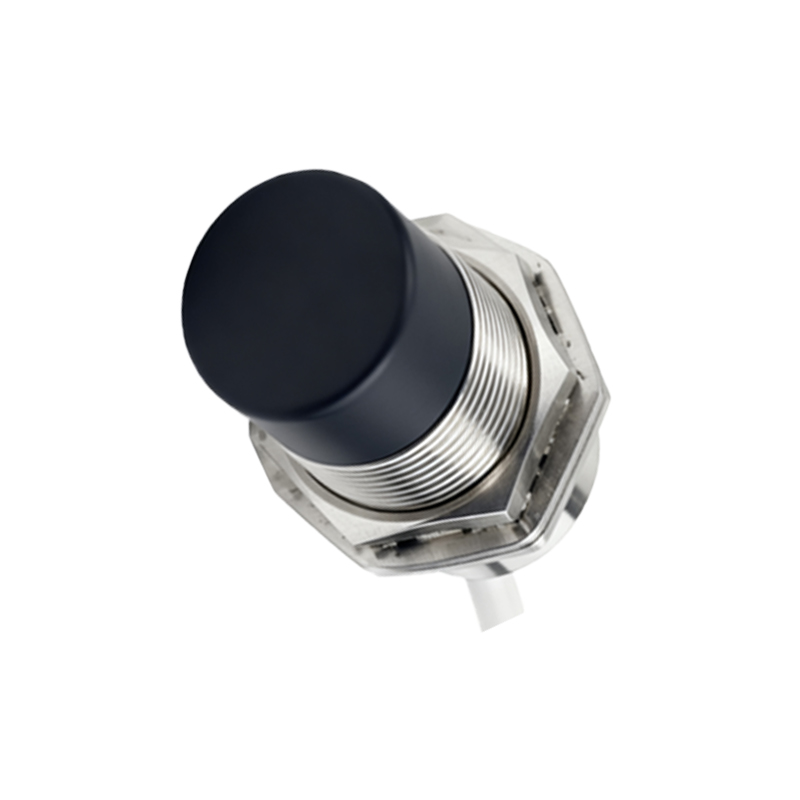
Safety is another paramount aspect of using proximity sensors for start-stop control. In compliance with international standards like ISO 13849, these sensors can be configured as part of safety-rated systems to prevent accidental machine starts or ensure emergency stops. By installing sensors at access points or hazardous zones, operators can create fail-safe environments where machinery automatically halts when a person or obstacle is detected. This not only protects personnel but also minimizes damage to equipment, contributing to overall plant reliability.
Despite their advantages, challenges such as sensor misalignment, interference from adjacent metals, or temperature extremes can affect performance. To mitigate these issues, engineers must select sensors with appropriate specifications, such as shielded designs to reduce electromagnetic interference or high-temperature variants for foundries. Regular calibration and testing are also essential to maintain accuracy over time.
Looking ahead, advancements in smart sensor technology are revolutionizing start-stop applications. Modern proximity sensors with IO-Link or Ethernet connectivity enable real-time data monitoring, predictive maintenance, and adaptive control. For example, a sensor can transmit diagnostic information to a central system, alerting operators to potential failures before they disrupt production. This integration with Industry 4.0 frameworks supports more responsive and automated start-stop sequences, driving productivity in sectors from manufacturing to logistics.
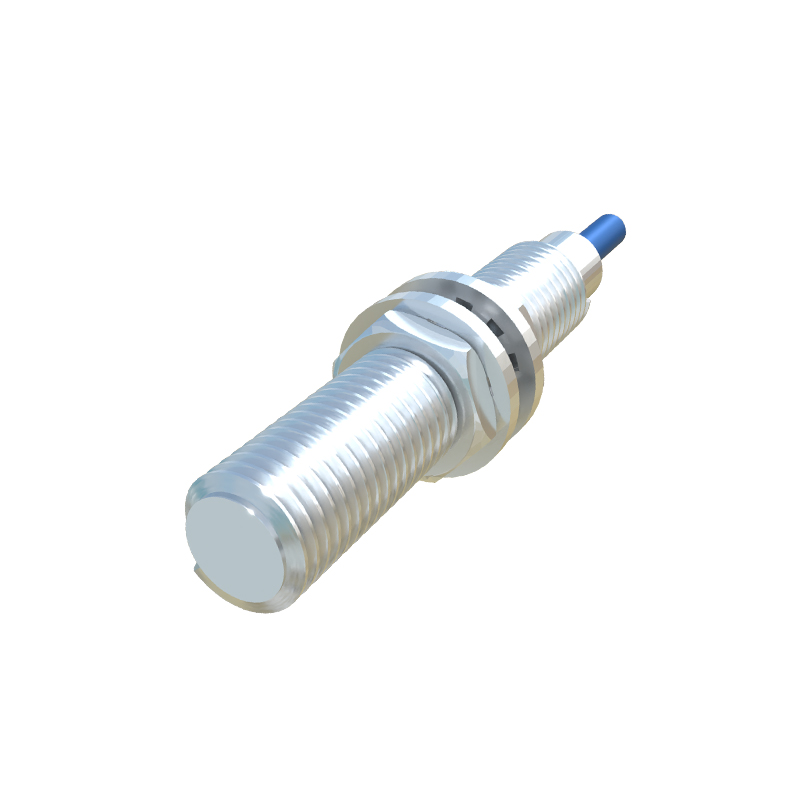
In summary, proximity sensors are vital components for start-stop control in industrial settings, offering precision, durability, and safety. By understanding their types, applications, and integration methods, engineers can design robust automation systems that enhance efficiency and reduce operational risks. As technology evolves, these sensors will continue to underpin smarter, more connected industrial environments.