In industrial automation and control systems, proximity sensors are indispensable components for detecting the presence or absence of objects without physical contact. A common concern among engineers and maintenance personnel is whether these sensors are susceptible to dust and contamination. The short answer is: it depends on the sensor type, design, and environmental conditions. However, understanding the nuances is crucial for ensuring reliability and longevity.
Proximity sensors primarily fall into three categories: inductive, capacitive, and photoelectric. Each type interacts differently with environmental contaminants like dust, dirt, oil, or metal particles.
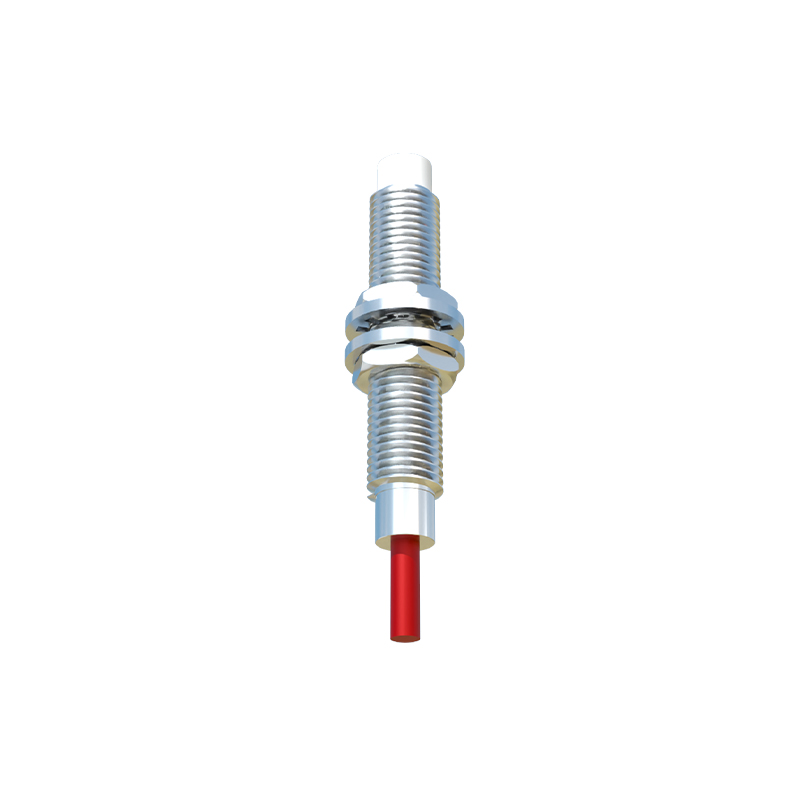
Inductive proximity sensors detect metallic objects through electromagnetic fields. They are generally robust against non-metallic dust and debris because these materials do not interfere with the electromagnetic field. However, excessive buildup of conductive metallic dust or swarf can potentially cause false triggering or shielding effects, reducing the sensing range. For instance, in machining applications where metal chips are prevalent, accumulations on the sensor face might attenuate the field. Most inductive sensors feature housings rated IP67 or higher, offering protection against dust ingress and temporary immersion. Regular cleaning of the sensor face is recommended in heavy-contamination environments.
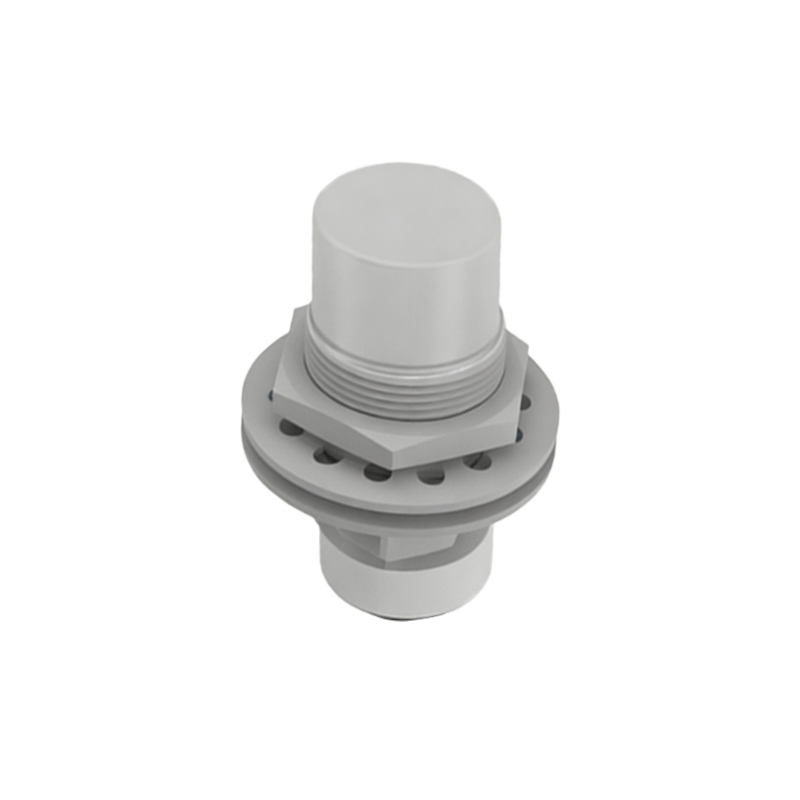
Capacitive proximity sensors can detect both metallic and non-metallic materials by measuring changes in capacitance. They are more sensitive to environmental factors, including dust and moisture, because these contaminants can alter the dielectric constant around the sensor. Dust accumulation on the sensing surface might lead to false positives or reduced sensitivity. In applications involving powders, grains, or liquids, selecting a sensor with appropriate shielding and calibration is essential. Many capacitive sensors come with environmental compensation features or adjustable sensitivity to mitigate such issues. Enclosures with high IP ratings (e.g., IP69K for washdown areas) help, but routine maintenance to clear residue remains vital.
Photoelectric sensors use light beams to detect objects and are often the most vulnerable to dust and contamination. Airborne particles like dust, smoke, or fog can scatter or block the light beam, causing signal loss or false readings. In dirty environments—such as woodworking, mining, or food processing—this can be a significant challenge. To combat this, manufacturers offer sensors with robust housings, built-in air blasts to keep lenses clean, or specialized designs like polarized retro-reflective sensors that ignore minor obstructions. Choosing sensors with high IP ratings (e.g., IP67/IP68) and regular lens cleaning are standard practices. Additionally, through-beam sensors with separate emitter and receiver units may perform better in some dusty settings by allowing wider beam dispersion.
Beyond sensor type, the Ingress Protection (IP) rating is a key indicator of dust resistance. Ratings like IP6X denote complete protection against dust ingress. For harsh environments, selecting sensors with IP67, IP68, or IP69K ratings ensures durability. However, no rating is foolproof; over time, seals may degrade, especially under extreme temperatures or chemical exposure.
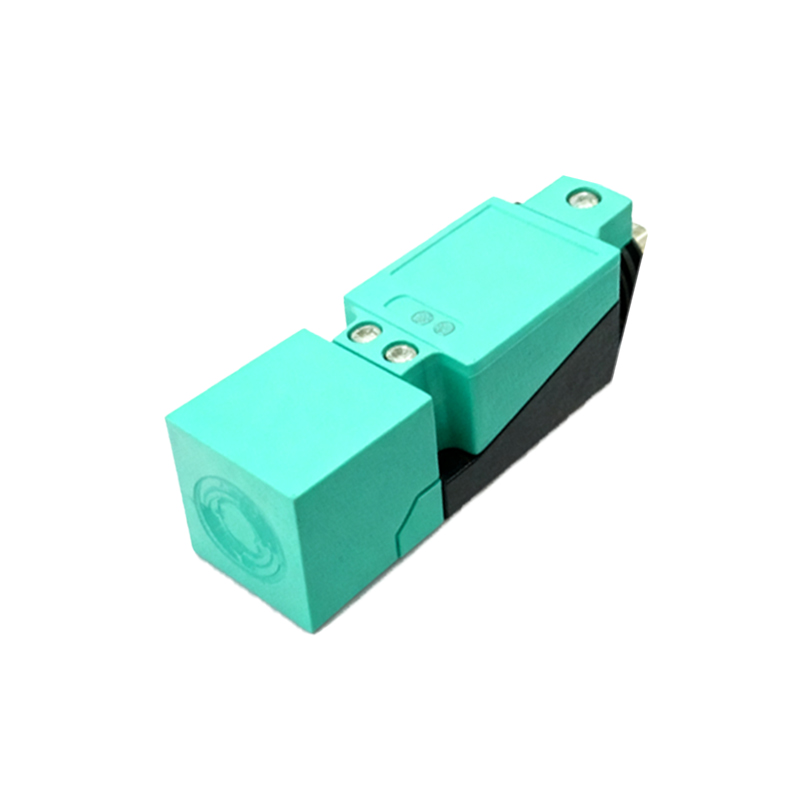
Practical mitigation strategies include proper sensor selection based on the specific contaminant, installing protective shrouds or hoods, implementing routine cleaning schedules, and using sensors with self-diagnostic features that alert to performance degradation. In critical applications, redundant sensing systems or frequent calibration checks may be warranted.
In summary, while proximity sensors are engineered to withstand industrial environments, their susceptibility to dust varies. Inductive sensors are least affected by non-metallic dust, capacitive sensors require careful tuning, and photoelectric sensors need proactive protection. By matching sensor technology to application demands and adhering to maintenance protocols, engineers can minimize downtime and ensure optimal performance. Always consult manufacturer guidelines and consider real-world conditions during selection and installation.