In the rapidly evolving landscape of industrial automation and smart systems, proximity sensors stand as critical components, enabling non-contact detection of objects with precision and reliability. The market is populated by numerous manufacturers, each offering distinct technologies—inductive, capacitive, ultrasonic, and photoelectric—tailored to diverse applications. Ranking these leaders involves a multifaceted analysis of technological innovation, product portfolio breadth, global market presence, industry-specific solutions, and overall reliability. This article delves into the key players shaping the proximity sensor industry, providing insights for engineers and procurement specialists.
At the forefront, Sick AG consistently ranks among the elite. Renowned for its high-performance photoelectric and inductive sensors, Sick excels in challenging environments. Their sensors offer exceptional robustness, advanced diagnostics, and seamless integration with Industry 4.0 frameworks. Products like the W4-3 photoelectric sensor and the IM12 inductive proximity sensor are industry benchmarks for range, accuracy, and durability, particularly in logistics and automotive manufacturing.
Similarly, Omron Corporation is a titan in factory automation. Omron’s E2E series of inductive proximity sensors and E3Z photoelectric sensors are celebrated for their compact design, high noise immunity, and ease of use. Their strength lies in providing comprehensive solutions, from basic detection to sophisticated systems with IO-Link connectivity, catering to electronics assembly, packaging, and semiconductor fabrication.
Pepperl+Fuchs commands immense respect, especially in hazardous and demanding sectors like chemical, oil & gas, and pharmaceuticals. Their expertise in intrinsic safety and explosion-proof certifications is unparalleled. The NAMUR series and inductive sensors with robust metal housings are engineered for extreme conditions, offering long-term stability and safety that few can match.
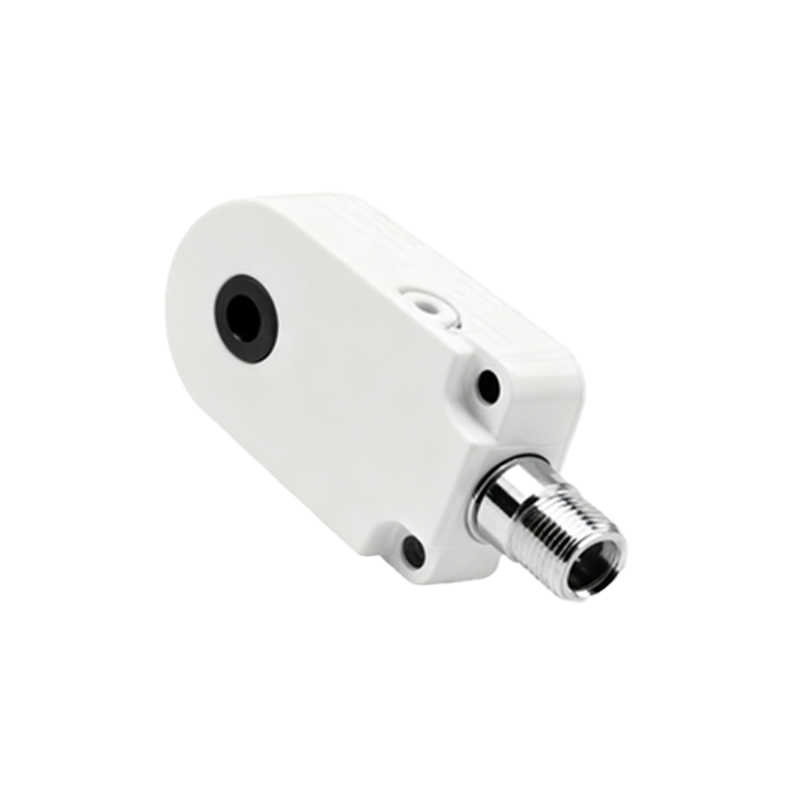
Balluff GmbH is another German powerhouse, frequently highlighted for innovation and quality. Balluff’s proximity sensors, particularly their inductive models with innovative form factors like the BES series, are designed for space-constrained applications. They are a leader in RFID and industrial identification, often integrating sensing with data transmission, which is crucial for smart manufacturing and traceability.
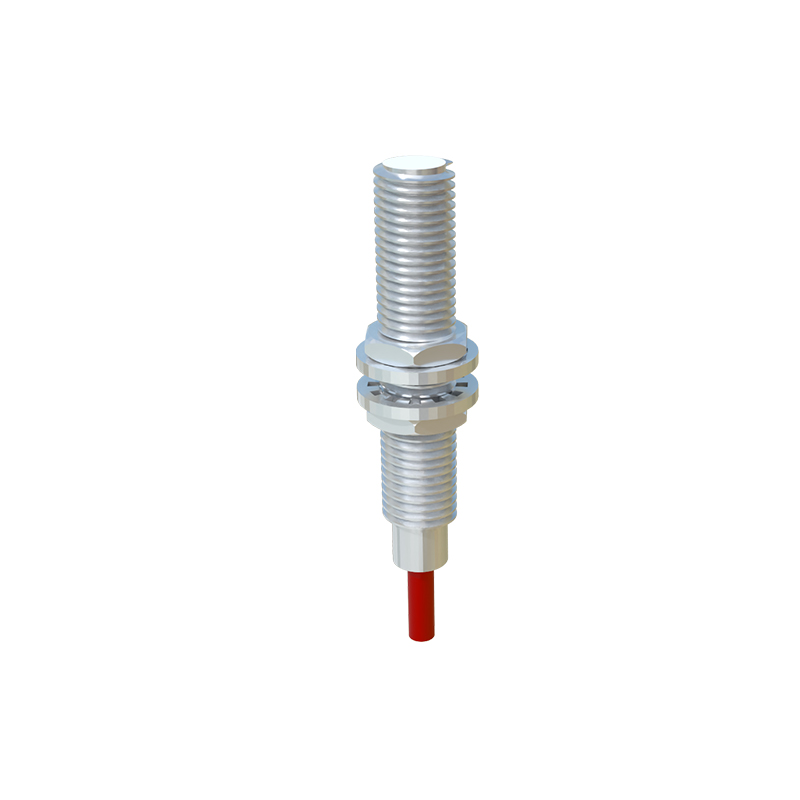
Rockwell Automation (Allen-Bradley) dominates the North American market and global control systems integration. Their 871TM series of tubular inductive sensors and photoelectric sensors are optimized for seamless compatibility with Allen-Bradley PLCs and Logix control platforms. For engineers designing within the Rockwell ecosystem, their sensors offer reduced commissioning time and guaranteed interoperability.
Keyence Corporation is synonymous with cutting-edge technology and high precision. While offering a vast array of sensors, their proximity sensor lineup includes ultra-compact, high-speed inductive models and advanced photoelectric sensors with teach-in functions and background suppression. Keyence’s strength is in providing high-value, application-specific solutions for precision manufacturing, inspection, and R&D.
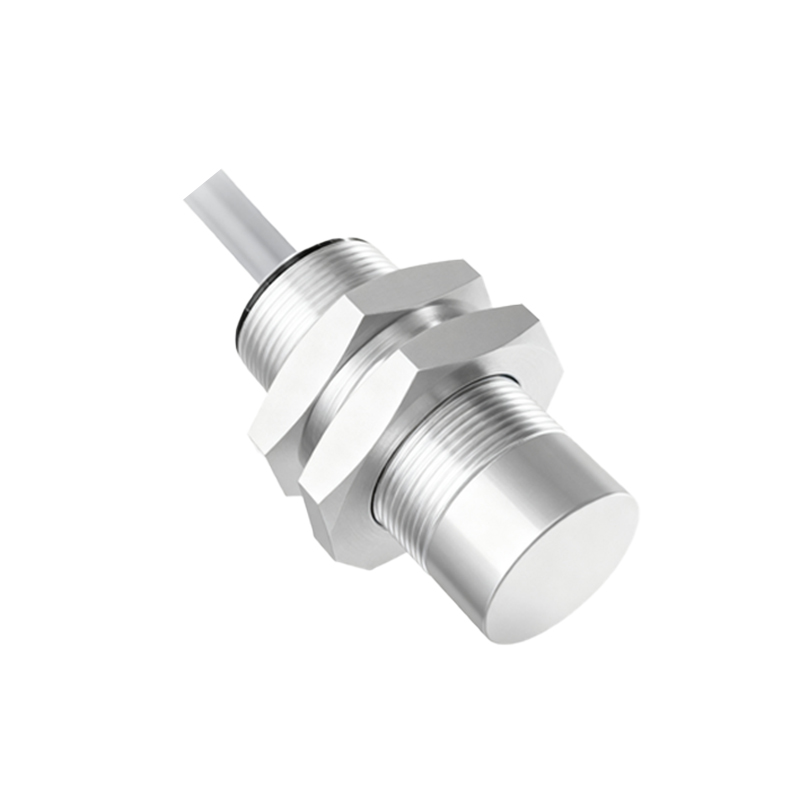
ifm electronic deserves a top spot for its system-oriented approach and the prolific efector series. ifm sensors are known for exceptional diagnostic capabilities, often featuring condition monitoring and predictive maintenance functions. Their IO-Link enabled sensors provide valuable process data beyond simple switching, making them a favorite for data-driven production environments.
Schneider Electric (Telemecanique Sensors) offers a robust, cost-effective portfolio with global availability. Their XS range of inductive and capacitive proximity sensors provides reliable performance for general industrial applications. Schneider’s advantage is its extensive electrical distribution network, ensuring easy availability and support worldwide.
Panasonic Corporation holds a significant share, particularly in the Asian market and consumer electronics manufacturing. Their photoelectric and inductive sensors are valued for consistent quality, miniaturization, and energy efficiency, meeting the high-volume, precision demands of electronics production lines.
Turck completes the list of leaders, excelling in connectivity and sensor bus systems. Turck’s proximity sensors, including Q-Pulse technology for weld-field immunity, are designed for harsh industrial environments. Their prowess in providing complete interconnectivity solutions, from the sensor to the controller, is a key differentiator.
Beyond these giants, factors influencing a manufacturer's rank include specialization in niche technologies (like Banner Engineering in photoelectric sensing), regional support, customization capabilities, and sustainability practices. The choice ultimately depends on the specific application: environmental conditions, required sensing distance, output type, material composition of the target, and communication protocol needs.
In conclusion, the hierarchy of proximity sensor manufacturers is dynamic, driven by continuous innovation in miniaturization, smart features, and connectivity. While Sick, Omron, and Pepperl+Fuchs often lead in global recognition for core robustness and safety, Balluff, Keyence, and ifm are pioneers in smart sensor technology. Rockwell and Schneider excel in integrated system solutions, and Panasonic dominates in high-volume precision sectors. A thorough evaluation of technical specifications, total cost of ownership