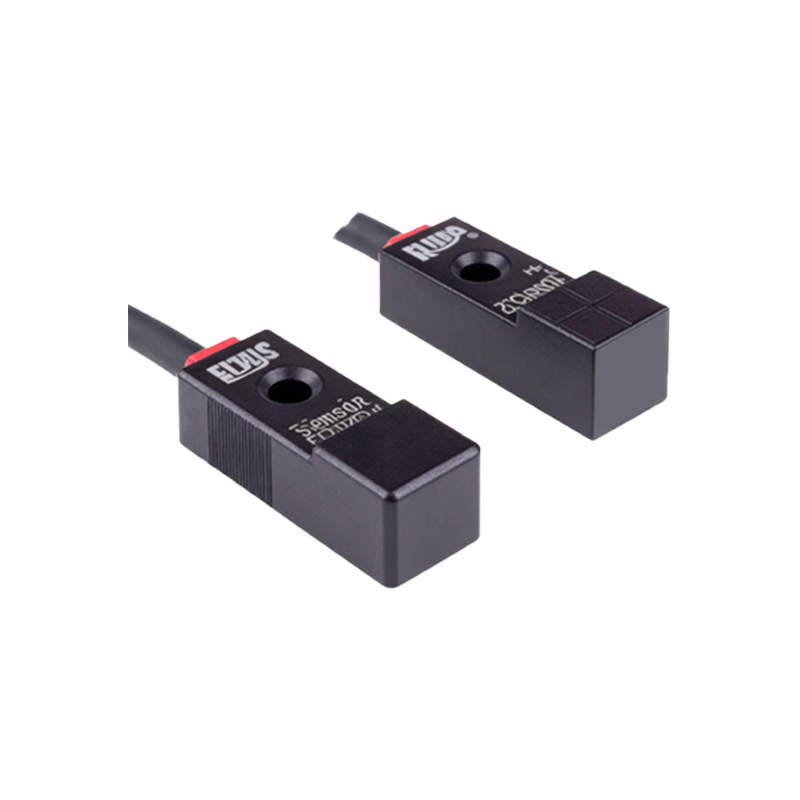
In modern industrial automation and machinery design, rear cover proximity sensors play a critical role in ensuring safety, precision, and operational efficiency. These sensors are specialized devices installed on the rear covers or enclosures of equipment to detect the presence or absence of objects without physical contact. By utilizing electromagnetic fields, infrared light, or ultrasonic waves, they provide reliable feedback for control systems, preventing accidents and optimizing processes.
The core principle behind rear cover proximity sensors involves generating a sensing field that reacts to metallic or non-metallic targets. Inductive sensors, for instance, are ideal for detecting metals by creating an oscillating electromagnetic field. When a metal object enters this field, it induces eddy currents, altering the oscillation and triggering a signal. Capacitive sensors, on the other hand, can detect a wider range of materials, including liquids and plastics, by measuring changes in capacitance. This versatility makes them suitable for diverse industrial environments, from manufacturing lines to packaging systems.
Key features of high-quality rear cover proximity sensors include robust construction, resistance to environmental factors like dust, moisture, and temperature fluctuations, and fast response times. Many models are designed with IP67 or higher ratings, ensuring durability in harsh conditions. Additionally, their compact size allows for easy integration into tight spaces, while adjustable sensing ranges and output options (e.g., PNP/NPN or analog signals) enhance flexibility. In applications such as robotic arms, conveyor belts, or safety interlocks, these sensors help monitor cover positions, detect obstructions, and initiate shutdowns if unauthorized access occurs, thereby reducing downtime and maintenance costs.
The selection of a rear cover proximity sensor depends on factors like target material, required sensing distance, and environmental challenges. For example, in automotive assembly plants, inductive sensors might be used to verify that rear engine covers are securely closed, while capacitive sensors could monitor fluid levels in tanks. Regular calibration and testing are essential to maintain accuracy, as sensor drift or contamination can lead to false readings. Industry standards, such as IEC 60947-5-2, provide guidelines for installation and performance, ensuring compliance with safety regulations.
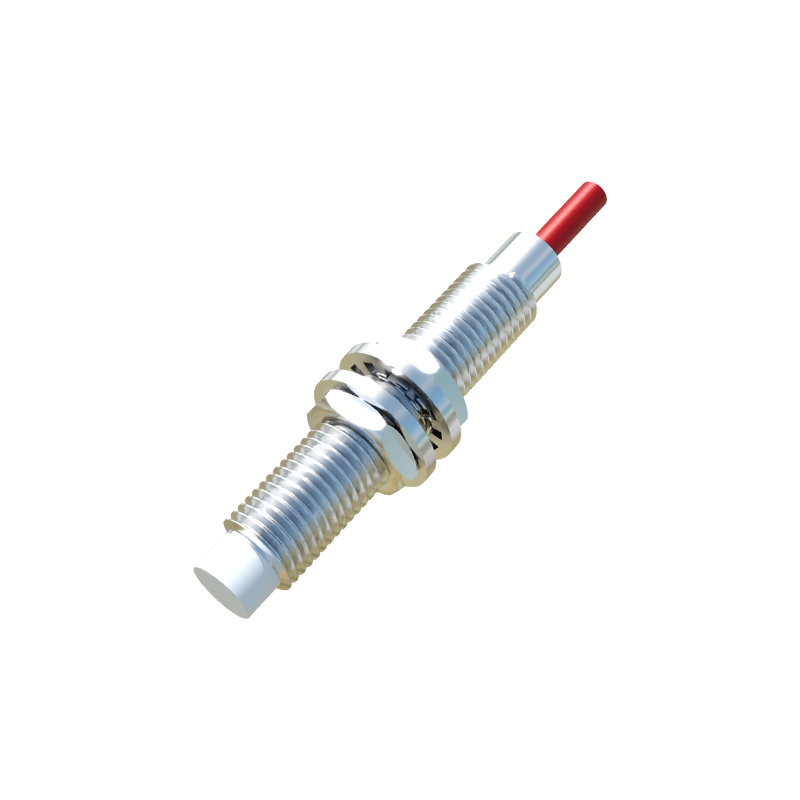
Looking ahead, advancements in IoT and smart manufacturing are driving innovation in proximity sensor technology. Wireless connectivity and embedded diagnostics enable real-time monitoring and predictive maintenance, further boosting efficiency. By integrating rear cover proximity sensors into automated systems, industries can achieve higher levels of safety and productivity, underscoring their importance in the evolving landscape of industrial engineering.