In the realm of industrial automation and machinery, proximity sensors are ubiquitous components, silently performing critical detection tasks. A common query from maintenance technicians and curious engineers is: "Why are most proximity sensors sealed units, seemingly impossible to disassemble for repair?" The answer is not a matter of planned obsolescence but a deliberate engineering choice rooted in reliability, safety, and performance.
The primary and most compelling reason is environmental sealing. Proximity sensors are deployed in some of the harshest industrial environments imaginable. They are exposed to metal chips, cutting fluids, coolants, dust, washdown chemicals, and extreme humidity. To ensure long-term, fail-safe operation, the internal cavity housing the oscillator coil, amplifier circuit, and output switching element is hermetically sealed, typically using epoxy resin potting or laser welding. This potting compound encapsulates the electronics, providing exceptional resistance to vibration, moisture ingress, and chemical corrosion. Any attempt to disassemble the sensor would irreparably breach this seal. Once compromised, the sensor can no longer guarantee its Ingress Protection (IP) rating (e.g., IP67, IP69K), rendering it vulnerable to premature failure. The cost of a potential line shutdown due to a sensor failure far outweighs the cost of the sensor unit itself.
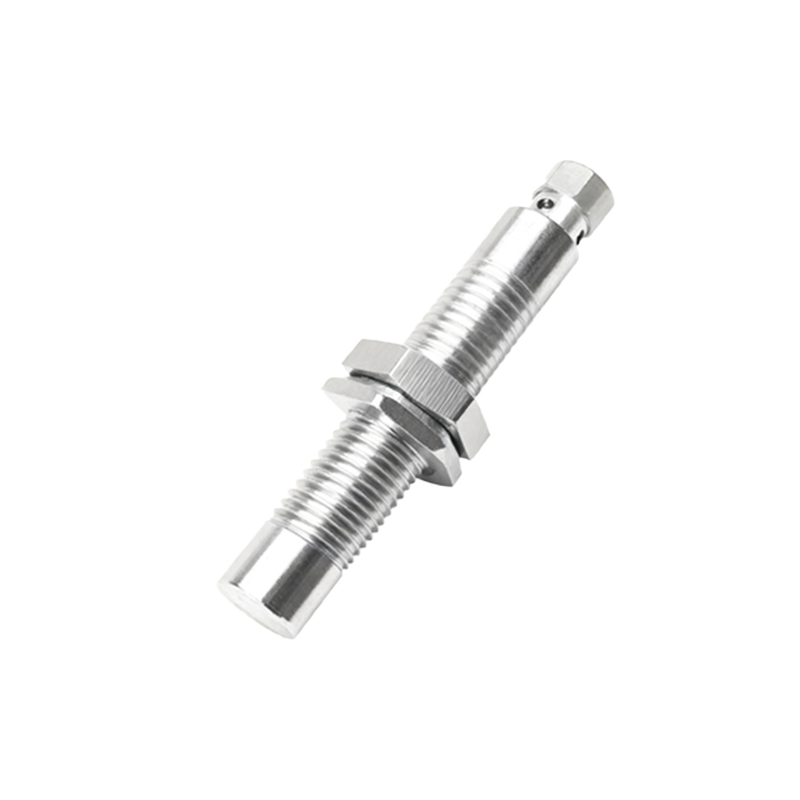
Secondly, the calibration and tuning of a proximity sensor are precise and delicate procedures performed during manufacturing. The sensing distance, hysteresis, and switching frequency are finely tuned based on the specific characteristics of the internal coil and the associated circuitry. This calibration is stable within the sealed environment. Disassembly would disturb the physical alignment and electrical characteristics, making recalibration virtually impossible without specialized factory equipment. The performance would be unpredictable, likely falling outside the specified tolerances, which could lead to unsafe machine operation or defective products.
From a safety and liability standpoint, non-disassembly is a critical feature. Proximity sensors are often integral parts of safety circuits or machine control systems. A tampered-with or incorrectly reassembled sensor poses a significant safety hazard. Manufacturers cannot guarantee the operational integrity or safety ratings (like SIL or PL) of a sensor that has been opened and potentially modified. The sealed body acts as a tamper-evident design, ensuring that the sensor used in the field is exactly as it was tested and certified. This protects end-users from accidental harm and shields manufacturers from liability associated with unauthorized modifications.
Economically, it is simply not viable. The manufacturing process for modern inductive, capacitive, or ultrasonic proximity sensors is highly automated. The components are miniaturized and designed for assembly, not service. The labor cost and time required to diagnose a fault at the component level (e.g., a single damaged capacitor), disassemble the potted unit, replace the part, reseal, and retest would vastly exceed the price of a new, guaranteed sensor. The industry has evolved towards treating these sensors as high-reliability, field-replaceable units. Maintenance strategy focuses on swift swap-out rather than time-consuming repair, minimizing machine downtime, which is the paramount cost in production.
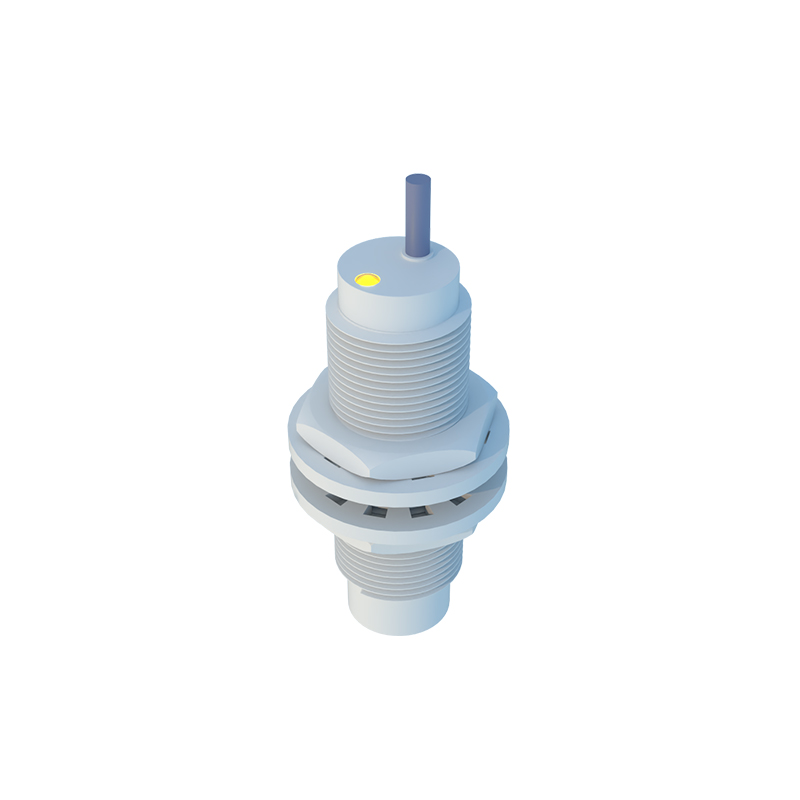
Furthermore, the materials and construction themselves discourage disassembly. The housings are often made from robust materials like nickel-plated brass or stainless steel (PBT for plastic-bodied types). The potting epoxy is extremely hard and bonds permanently to the housing and components. Attempting to mechanically remove it usually destroys the delicate electronic components. In many designs, the sensing face is an integral part of the front cap, which is welded or bonded to the body, creating a single, solid piece.
This does not mean proximity sensors are entirely maintenance-free. Users must ensure proper installation (correct mounting, adequate clearance), check wiring integrity, and keep the sensing face clean from buildup. However, internal repair is intentionally designed out. When a sensor fails, standard practice is to replace it with a new or refurbished unit from the manufacturer or a trusted supplier. Some manufacturers offer repair services for high-value or specialized models, but this involves returning the unit to a facility with the proper tools and processes to restore the original sealing and performance specifications—a task far beyond a typical workshop bench.
In conclusion, the non-disassemblable nature of proximity sensors is a hallmark of robust engineering. It prioritizes unwavering reliability in demanding conditions, ensures consistent calibrated performance, upholds critical safety standards, and aligns with efficient maintenance economics. The sealed, potted body is not a limitation but a key feature that allows these sensors to perform their vital roles reliably for millions of cycles in the challenging world of industrial automation.