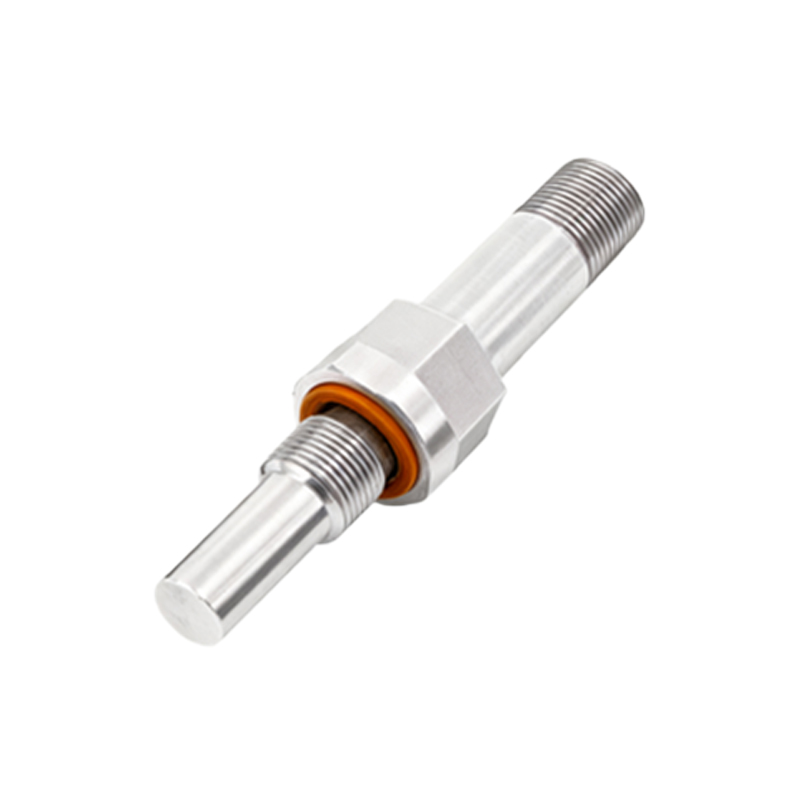
Proximity sensors are indispensable components in modern industrial automation, offering non-contact detection of objects within their sensing range. These devices are widely used across manufacturing, robotics, automotive, and packaging industries due to their reliability and versatility. One of the primary characteristics of proximity sensors is their ability to detect objects without physical contact, which minimizes wear and tear, reduces maintenance costs, and enhances operational longevity. This non-contact operation also allows for high-speed detection, making them suitable for fast-paced production lines where precision and efficiency are critical.
Another key feature is the diversity of sensing technologies available, including inductive, capacitive, ultrasonic, and photoelectric types. Inductive proximity sensors are ideal for detecting metallic objects, utilizing electromagnetic fields to sense ferrous and non-ferrous metals. They are known for their robustness in harsh environments, resisting dust, moisture, and vibrations. Capacitive sensors, on the other hand, can detect both metallic and non-metallic materials, such as plastics, liquids, or granular substances, by measuring changes in capacitance. This versatility makes them valuable in applications like level sensing or material handling. Ultrasonic sensors use sound waves to detect objects, offering long-range capabilities and the ability to sense through certain materials, while photoelectric sensors rely on light beams for detection, providing high accuracy and flexibility in various lighting conditions.
Proximity sensors are also praised for their durability and environmental resistance. Many models are designed with rugged housings, often rated IP67 or higher, ensuring protection against water, oil, and chemical exposure. This makes them suitable for use in demanding settings like foundries, food processing plants, or outdoor installations. Additionally, they exhibit high repeatability and stability, delivering consistent performance over time with minimal drift. This reliability is crucial in quality control processes, where even minor deviations can lead to product defects or system failures.
The output options of proximity sensors add to their adaptability. They commonly provide digital outputs, such as NPN or PNP transistor configurations, or analog outputs for continuous measurement. Some advanced models integrate IO-Link or other communication protocols, enabling smart factory integration and real-time data exchange for predictive maintenance and process optimization. Their compact size allows for easy installation in space-constrained areas, and adjustable sensing ranges or sensitivity settings offer customization to specific application needs.
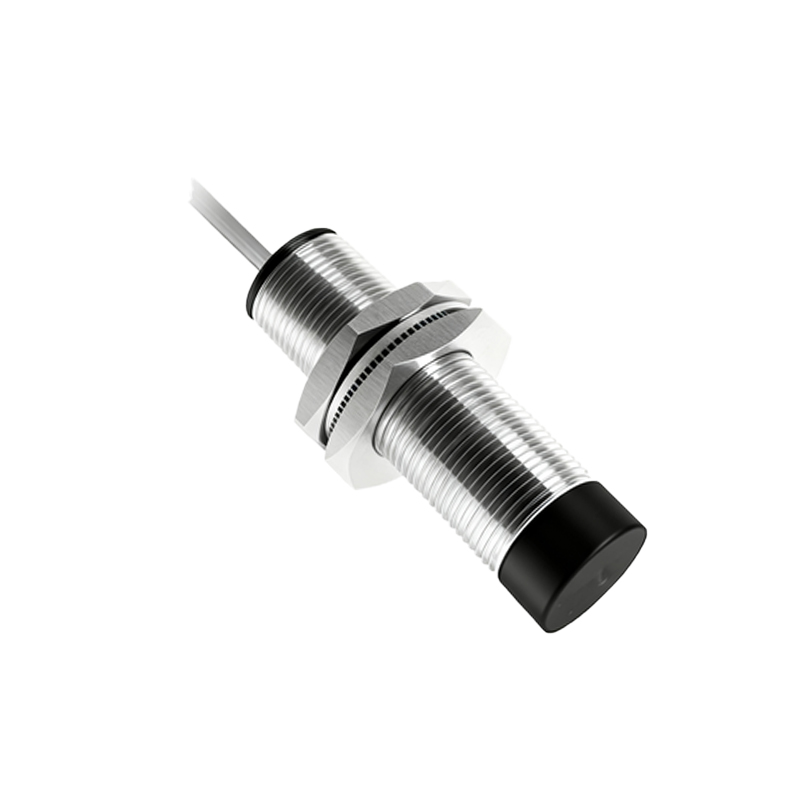
Energy efficiency is another notable characteristic, as many proximity sensors consume low power while maintaining high performance. This contributes to reduced operational costs and aligns with sustainable industrial practices. Furthermore, their fast response times, often in the microsecond range, ensure timely detection in high-speed automation, preventing bottlenecks and enhancing productivity. In summary, proximity sensors combine non-contact operation, technological diversity, durability, and smart features to support efficient and reliable industrial automation. As industries evolve toward Industry 4.0, these sensors continue to play a vital role in enabling smarter, more responsive manufacturing systems.