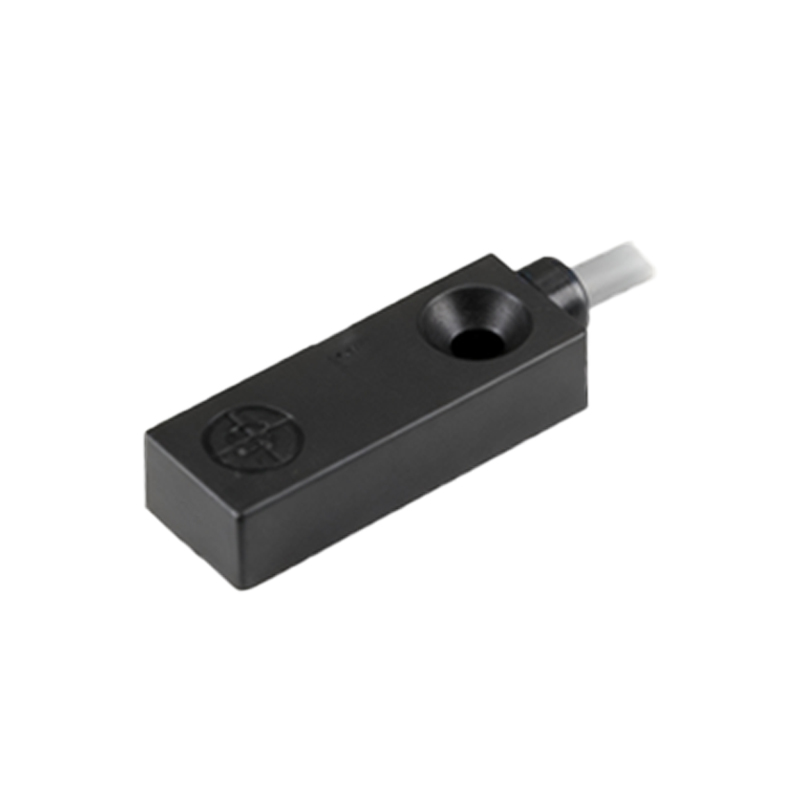
Level sensor proximity switches are indispensable components in modern industrial automation, offering reliable detection of materials without physical contact. These devices operate on various principles, including inductive, capacitive, ultrasonic, and optical technologies, each suited to specific applications. Inductive proximity switches, for instance, detect metallic objects through electromagnetic fields, making them ideal for metal processing lines. Capacitive sensors, on the other hand, can identify both conductive and non-conductive materials by measuring changes in capacitance, commonly used in liquid or granular level monitoring. Ultrasonic sensors utilize sound waves to gauge distance, excelling in harsh environments with dust or vapor, while optical sensors rely on light beams for precise detection in clean settings.
The selection of an appropriate proximity switch depends on multiple factors: material properties, environmental conditions, required sensing range, and installation constraints. For abrasive or corrosive materials, sensors with robust housings (e.g., stainless steel or PTFE coatings) are essential to ensure longevity. In high-temperature zones, such as foundries or chemical reactors, switches rated for extreme thermal resistance prevent false triggers and failures. Additionally, output types—whether PNP/NPN, analog, or IO-Link—must align with control system compatibility. Modern advancements integrate smart features like self-diagnostics, wireless connectivity, and IoT-enabled data logging, enhancing predictive maintenance and operational efficiency.
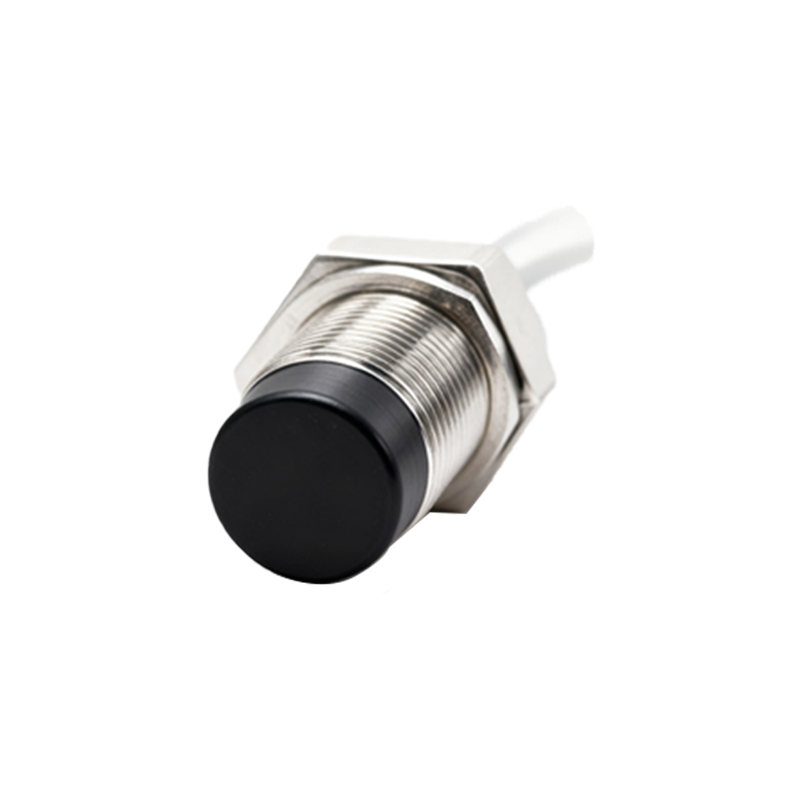
Installation best practices emphasize proper mounting orientation, avoidance of interference from adjacent machinery, and regular calibration. For instance, capacitive sensors require shielding adjustments to prevent stray detection, whereas ultrasonic units need clear paths to avoid signal attenuation. Common pitfalls include ignoring material buildup on sensor faces, which can cause drift in readings, or misaligning optical sensors in vibrating setups. Troubleshooting often involves checking power supply stability, output signal integrity, and environmental contaminants.
In industries like mining, food processing, and pharmaceuticals, proximity switches ensure safety by preventing overfills or shortages in silos, tanks, and conveyors. They contribute to lean manufacturing by automating inventory tracking and reducing waste. As Industry 4.0 evolves, these sensors are becoming integral to digital twins and AI-driven analytics, enabling real-time adjustments for optimized throughput. Ultimately, understanding the nuances of level sensor proximity switches empowers engineers to design resilient, cost-effective systems that meet stringent industrial demands while fostering innovation in automation landscapes.