In the realm of industrial automation and motion control, the reliable detection of position, speed, and direction is paramount. Among the diverse array of sensing technologies available, encoder-type magnetic proximity sensors have carved out a significant niche, offering robust, contactless operation in challenging environments. Unlike optical encoders susceptible to contamination or mechanical encoders prone to wear, these sensors leverage magnetic fields to deliver consistent performance where others might falter.
At its core, an encoder-type magnetic proximity sensor is a device that detects the presence, absence, or position of a magnetized target, typically a multi-pole magnetic ring or strip, and converts this information into a digital or analog signal. The fundamental operating principle hinges on the Hall effect or magnetoresistive (MR) technology. A Hall-effect sensor generates a voltage proportional to the strength of an applied magnetic field when a current flows through it. In an encoder configuration, a rotating or linearly moving magnetic target with alternating north and south poles passes by the sensor element. Each pole transition causes a measurable change in the magnetic field, which the sensor interprets as a pulse. By counting these pulses, the system can determine position; by measuring the pulse frequency, it can calculate speed. Magnetoresistive sensors, which change their electrical resistance in response to a magnetic field, offer even higher resolution and sensitivity, making them suitable for precise applications.
The architecture of these systems typically involves two key components: the magnetic scale (the encoded target) and the sensor head. The magnetic scale is manufactured with precise pole pitches—the distance between the centers of two adjacent magnetic poles. Common configurations include rotary rings for shaft encoding and linear strips for linear motion measurement. The sensor head, housing the sensing element and signal conditioning circuitry, is positioned at a precise air gap from this scale. Modern versions often integrate the sensor and a microcontroller into a single package, providing directly usable outputs such as quadrature signals (A and B channels for direction detection) and an index or zero pulse for homing.
The advantages of encoder-type magnetic proximity sensors are substantial. Their non-contact nature eliminates mechanical wear, granting them a exceptionally long operational life. They are inherently resistant to common industrial adversaries: dust, oil, moisture, and vibrations do not impede their function, as magnetic fields penetrate non-ferrous contaminants effortlessly. This makes them ideal for harsh settings like machine tools, agricultural equipment, automotive systems, and outdoor applications. Furthermore, they can operate at high speeds and across a wide temperature range, often from -40°C to 125°C or beyond. Their solid-state construction also lends itself to miniaturization and integration into compact assemblies.
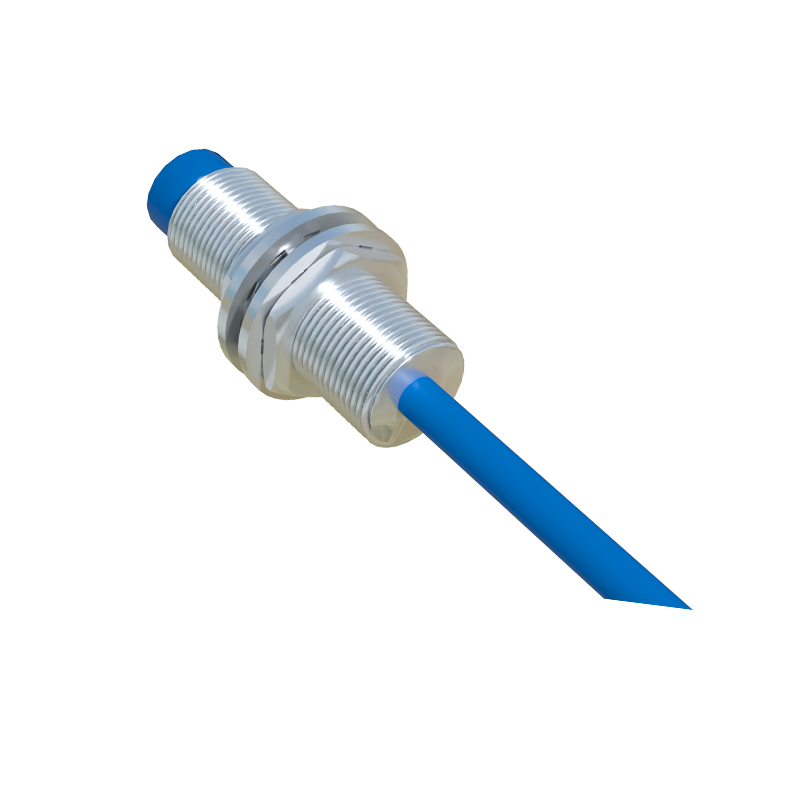
When selecting an encoder-type magnetic proximity sensor for a specific application, several critical parameters must be evaluated. Resolution, defined by the pole pitch of the magnetic scale, dictates the smallest measurable movement. Output type is another key decision: choices include open-collector, push-pull, line-driver (RS422), or analog voltage outputs. The required sensing distance or air gap must be compatible with the mechanical design constraints. Environmental ratings, particularly Ingress Protection (IP) codes for dust and water resistance, are crucial for durability. For rotary applications, maximum rotational speed and shaft size compatibility are vital. Lastly, the mechanical interface and electrical connection must align with the host system.
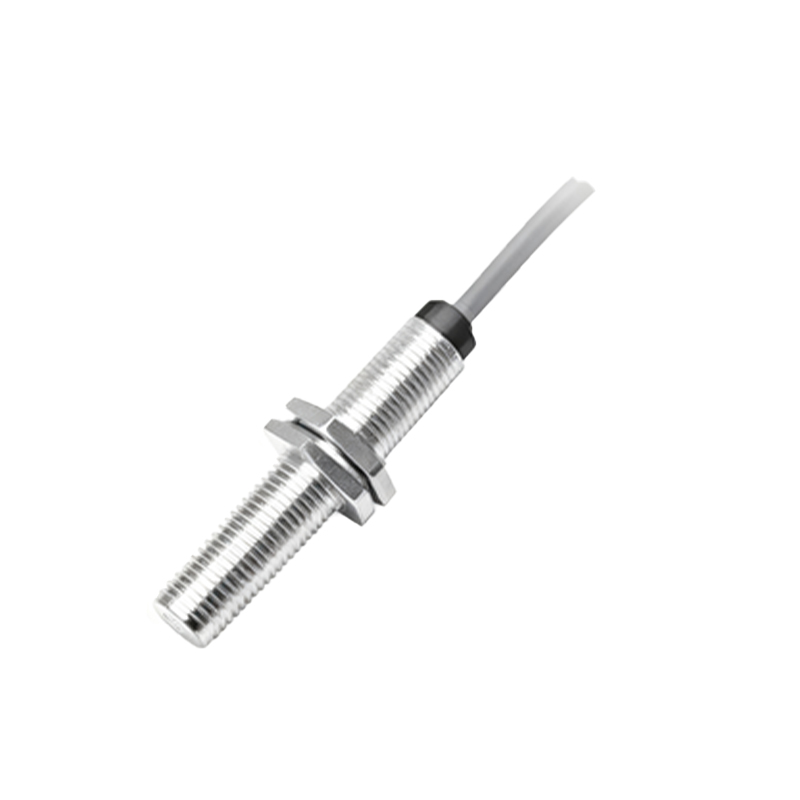
In practice, these sensors are ubiquitous. They provide critical feedback in servo motors for robotics, measure wheel speed in automotive ABS systems, synchronize conveyor belts in packaging lines, and control valve positions in process automation. Their robustness ensures reliability in applications where failure is not an option.
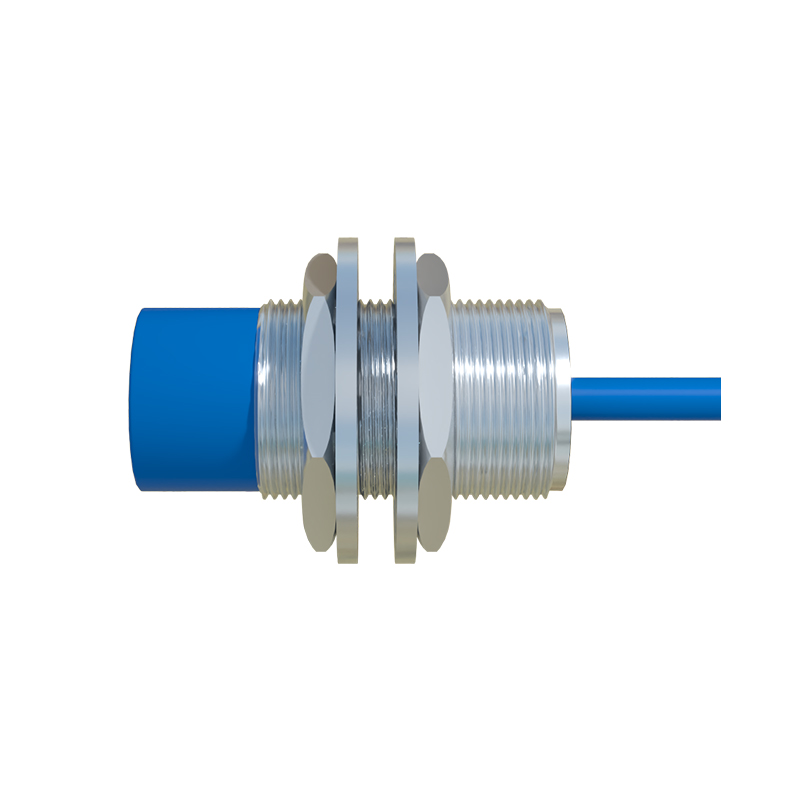
Looking ahead, trends point toward increased integration and intelligence. Sensors with integrated diagnostics, IO-Link communication for digital parameterization and data exchange, and higher resolutions are becoming standard. The fusion of magnetic encoding with wireless connectivity and edge computing capabilities is opening new frontiers for predictive maintenance and smart factory applications.
In conclusion, encoder-type magnetic proximity sensors represent a mature yet continually evolving technology. Their blend of durability, precision, and environmental immunity makes them a cornerstone of modern electromechanical systems. A thorough understanding of their principles and a careful selection process are essential for engineers to harness their full potential, ensuring optimal performance and reliability in the automated world.