In industrial automation and machinery design, proximity switch sensors are essential components for non-contact detection of metallic objects. A critical yet often overlooked part of these sensors is the locknut, which secures the sensor in place and ensures reliable operation. This article delves into the various models of proximity switch sensor locknuts, their specifications, and best practices for selection.
Proximity switch sensor locknuts are typically made from materials such as stainless steel, brass, or zinc-plated steel to withstand harsh industrial environments. Common thread sizes include M8, M12, M18, and M30, corresponding to standard sensor diameters. For instance, M12 locknuts are widely used in compact sensors for packaging machinery, while M30 models suit heavy-duty applications like automotive assembly lines. The locknut's design often features a hexagonal shape for easy installation with standard wrenches, and some models include a nylon insert or adhesive patch to prevent loosening due to vibration.
When selecting a locknut model, engineers must consider factors like thread compatibility, environmental conditions, and torque requirements. For example, in corrosive settings such as chemical plants, stainless steel locknuts (e.g., AISI 304 or 316) offer superior resistance. In high-vibration environments like conveyor systems, locknuts with locking mechanisms—such as prevailing torque types or those with serrated flanges—enhance stability. Additionally, metric thread standards (ISO 898) are prevalent globally, but imperial threads (e.g., 1/2"-20) may be needed for legacy equipment in regions like North America.
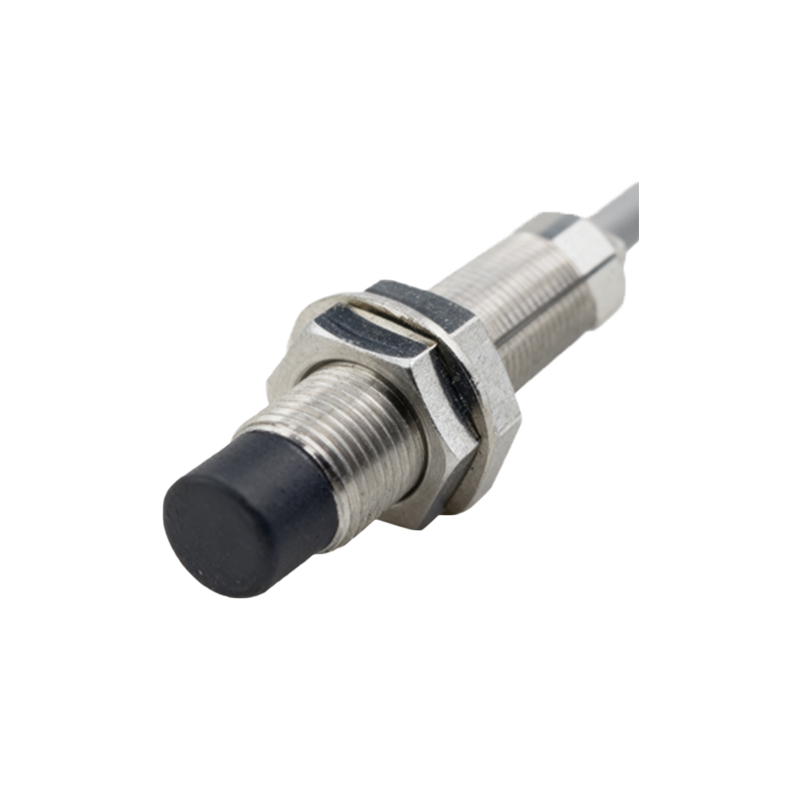
Installation tips include using a calibrated torque wrench to avoid over-tightening, which can damage sensor housings, and applying thread-locking compounds for extra security. Regular maintenance checks should inspect for wear or corrosion, especially in outdoor or washdown applications. Popular locknut models from manufacturers like Pepperl+Fuchs, Siemens, and Omron often come with certifications (e.g., IP67 for dust and water resistance) to ensure compliance with industry standards.
In summary, choosing the right proximity switch sensor locknut involves balancing technical specifications with operational demands. By understanding model variations and their applications, engineers can optimize sensor performance and longevity, reducing downtime in automated systems. As technology evolves, innovations like smart locknuts with embedded sensors for monitoring tightness may emerge, further integrating these small components into Industry 4.0 frameworks.