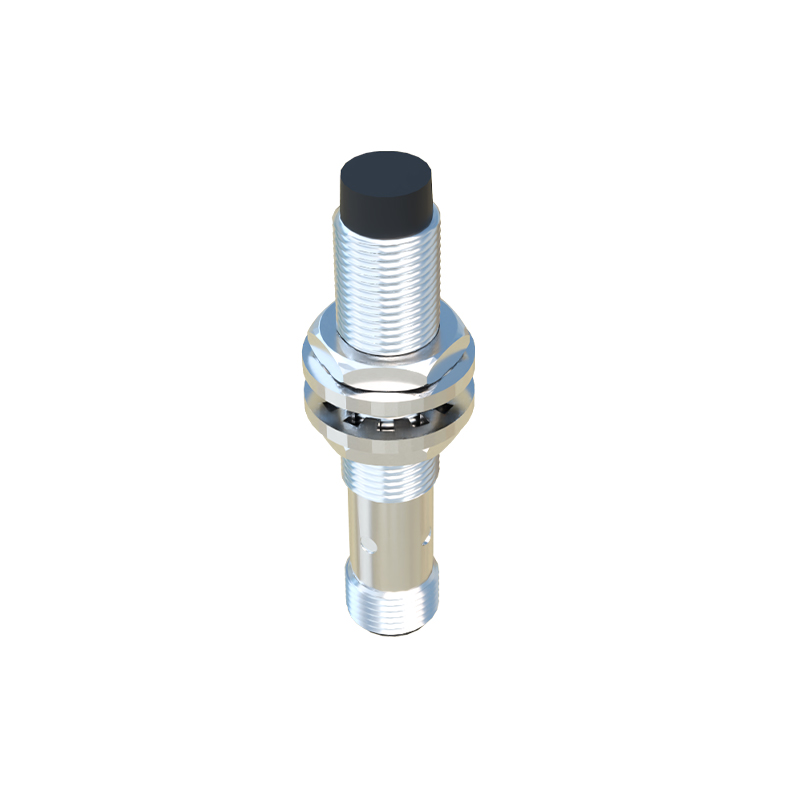
In the rapidly evolving landscape of industrial automation, robotics, and smart devices, the demand for reliable, non-contact sensing solutions is paramount. Among the diverse array of technologies available, micro infrared (IR) proximity sensors have carved out a critical niche. These compact, efficient devices operate on the principle of infrared light emission and reception to detect the presence, absence, or distance of an object without physical contact. This article delves into the operational principles, key advantages, prevalent applications, and essential selection criteria for engineers integrating these sensors into their designs.
At its core, a micro IR proximity sensor consists of an infrared LED emitter and a photodiode or phototransistor receiver, all housed within a miniature package. The fundamental principle involves the emitter casting an invisible beam of infrared light. When an object enters the sensor's detection field, it reflects a portion of this IR radiation back towards the receiver. The sensor's internal circuitry then processes this reflected signal. The intensity of the reflected light is inversely proportional to the square of the distance to the object (following the inverse-square law), allowing the sensor to not only detect presence but also, in analog or specific digital models, estimate proximity or distance. Some advanced versions utilize modulated IR signals to filter out ambient light interference, significantly enhancing reliability in variable lighting conditions.
The advantages of micro IR proximity sensors are numerous, driving their widespread adoption. Their non-contact nature eliminates mechanical wear and tear, ensuring long operational life and reliability. The miniature form factor allows for integration into space-constrained applications, from smartphone touchscreen disable features to tiny robotic grippers. They are generally cost-effective, consume low power—a critical factor for battery-operated devices—and offer fast response times. Furthermore, they can detect a wide variety of materials, although the reflectivity of the target surface (color, texture) directly influences the effective sensing range. For highly absorbent surfaces like black matte finishes, the range may be reduced.
The application spectrum for these sensors is remarkably broad. In consumer electronics, they are ubiquitous for features like automatic display sleep/wake in laptops, tablets, and smartphones, conserving battery life. In the realm of robotics and automation, they serve as collision avoidance sensors on mobile robots, part presence detectors on assembly lines, and bottle/can counters in packaging machinery. The automotive industry employs them in cabin monitoring systems, sunroof anti-pinch mechanisms, and gesture recognition interfaces. Emerging applications include interactive digital signage, touchless faucets and soap dispensers in public hygiene, and even in medical devices for patient monitoring.
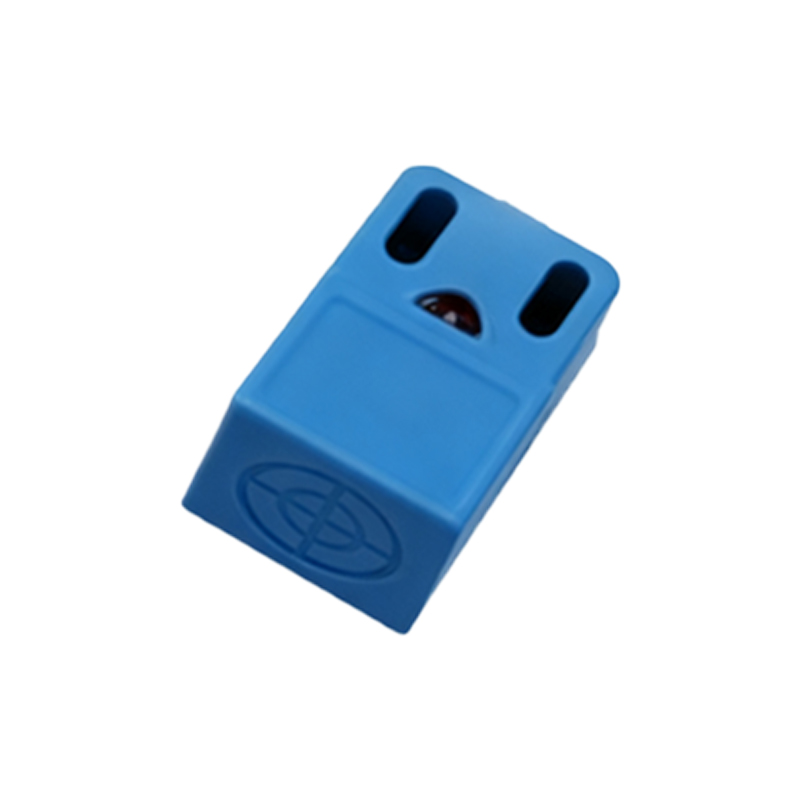
Selecting the appropriate micro IR proximity sensor requires careful consideration of several parameters. First, define the required sensing range, which can vary from a few millimeters to several meters, though most "proximity" applications are under 30cm. The output type is crucial: digital (on/off) outputs are simpler for object detection, while analog outputs provide continuous distance information for more complex control systems. Engineers must also consider the supply voltage compatibility (e.g., 3.3V, 5V, 12-24V DC) and current consumption. The response time must be fast enough for the application's speed. Environmental factors such as operating temperature range, potential exposure to dust or moisture (requiring an appropriate IP rating), and ambient light immunity are critical for robust performance. Finally, the physical package size and mounting style (e.g., through-hole, surface-mount, threaded barrel) must align with the mechanical design.
In conclusion, micro infrared proximity sensors represent a versatile and indispensable technology for modern engineering projects requiring non-contact detection. Their blend of compact size, reliability, and cost-effectiveness makes them a go-to solution across industries. A thorough understanding of their operating principles, coupled with a methodical approach to selection based on the specific application's electrical, environmental, and mechanical demands, enables engineers to harness their full potential, paving the way for smarter, more efficient, and interactive systems.