Proximity sensors with square heads are a specialized category of non-contact sensing devices widely utilized in industrial automation and control systems. These sensors are designed to detect the presence or absence of metallic objects without any physical contact, making them ideal for harsh environments where durability and reliability are paramount. The square head design is not merely an aesthetic choice; it offers practical advantages in mounting, alignment, and integration into machinery with limited space or specific geometric constraints.
The operating principle of these sensors is typically based on electromagnetic induction, capacitive sensing, or magnetic fields, depending on the target material and application requirements. Inductive proximity sensors, the most common type for metal detection, generate an oscillating electromagnetic field from the sensing face. When a metallic object enters this field, it induces eddy currents, causing a change in the oscillation amplitude. This change is detected by the sensor's internal circuitry, which then triggers an output signal. The square head housing often contains this sensing coil and electronics in a compact, robust package resistant to dust, moisture, and mechanical impacts.
Key advantages of square head proximity switches include their versatile mounting options. The flat surfaces allow for easy installation on brackets, machine frames, or within T-slots, ensuring a secure fit that minimizes vibration-induced misalignment. This shape also facilitates precise positioning relative to the target, which is critical in applications like conveyor belt monitoring, robotic arm positioning, and automated assembly lines. Many models feature built-in LEDs for status indication, helping technicians quickly diagnose operational states during maintenance or setup.
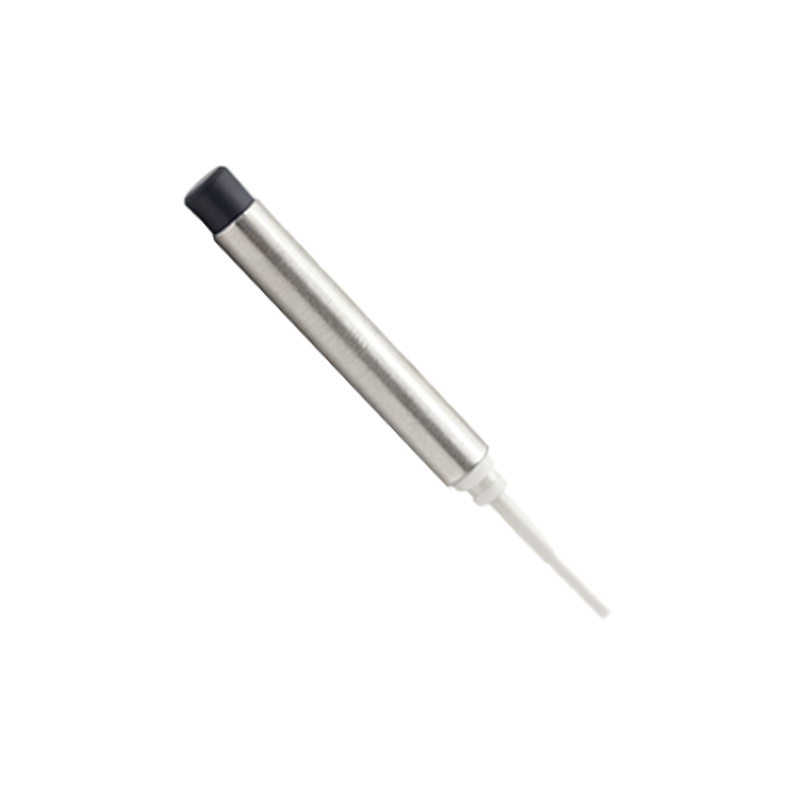
In terms of technical specifications, factors such as sensing range, response frequency, output type (e.g., NPN, PNP, analog), and environmental ratings (like IP67 for water and dust resistance) are crucial selection criteria. Square head sensors are available in various sizes, with sensing distances ranging from a few millimeters to several centimeters. Their high switching frequency enables detection of fast-moving objects, making them suitable for high-speed packaging, sorting, and CNC machinery. Additionally, their non-contact nature eliminates wear and tear, ensuring a long operational lifespan with minimal maintenance.
Applications span numerous industries. In automotive manufacturing, they monitor part presence in welding robots. In material handling, they detect pallet positions on automated guided vehicles (AGVs). In food and beverage processing, stainless steel variants comply with hygiene standards. The square design often integrates seamlessly with protective housings or guards, further enhancing suitability for rugged use. When selecting a sensor, engineers must consider the target material (ferrous vs. non-ferrous metals), environmental conditions (temperature, chemicals), and electrical requirements to ensure optimal performance.
Installation best practices involve ensuring proper alignment, avoiding sensor-to-sensor interference in dense arrangements, and adhering to wiring guidelines to prevent electrical noise. Regular testing with the intended target material under actual operating conditions is recommended to verify reliability. As Industry 4.0 advances, many square head proximity sensors now offer smart features like IO-Link communication, enabling real-time data exchange for predictive maintenance and process optimization.
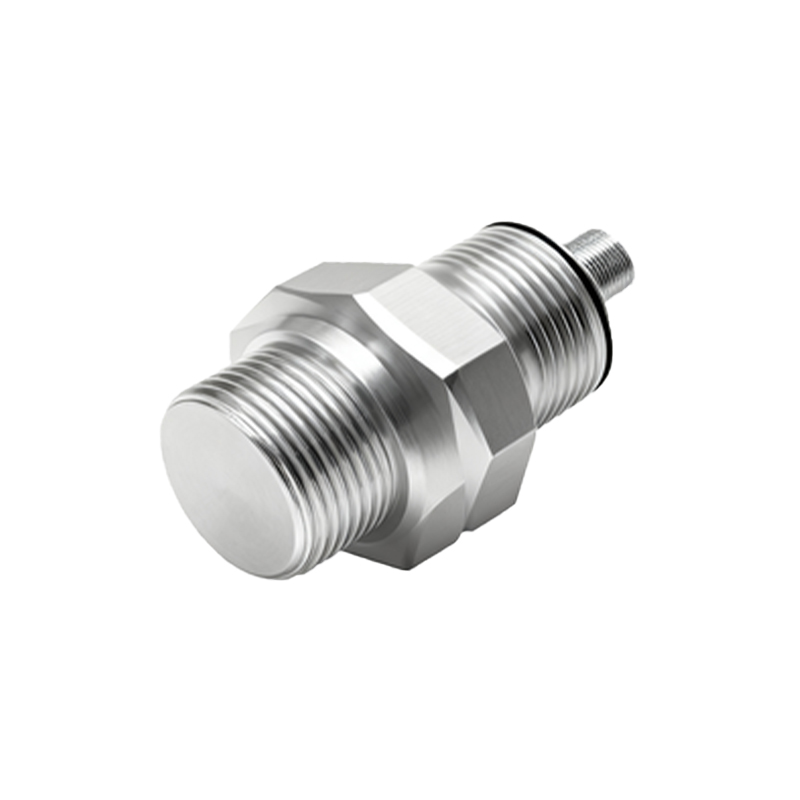
In conclusion, square head proximity sensors are indispensable components in modern industrial systems, offering a blend of robustness, precision, and adaptability. Their design addresses practical installation challenges while delivering consistent performance in detecting metallic objects. For engineers and system integrators, understanding their operational principles and application nuances is key to leveraging their full potential in enhancing automation efficiency and reliability.