In the realm of industrial automation and control systems, photoelectric proximity sensors stand as indispensable components for non-contact detection. These devices operate on the principle of using a light emitter, typically an LED or laser diode, and a receiver to detect the presence, absence, or distance of an object. Unlike mechanical switches or inductive sensors, photoelectric sensors do not require physical contact with the target, making them ideal for applications involving fragile materials, high-speed operations, or harsh environments where contamination is a concern.
The fundamental working principle involves the emitter projecting a beam of light—often infrared, visible red, or laser—toward a target. The receiver then detects changes in the light pattern caused by the object's presence. This change can manifest as a beam interruption (in through-beam sensors), reflection (in retro-reflective or diffuse sensors), or a modulation in light intensity. Advanced models utilize background suppression or time-of-flight (ToF) technology to precisely measure distance, enhancing their versatility.
Several types of photoelectric sensors cater to diverse industrial needs. Through-beam sensors, consisting of separate emitter and receiver units, offer the longest sensing ranges and high reliability, as they detect objects that break the light beam. Retro-reflective sensors incorporate both emitter and receiver in a single housing, using a reflector to bounce the light back; they are effective for detecting objects that disrupt this reflected beam. Diffuse sensors, or proximity sensors, rely on the reflection of light directly from the target object itself, making them compact and suitable for detecting objects at closer ranges without additional components. Specialized variants include fiber-optic sensors for tight spaces or extreme conditions, and color sensors that distinguish based on hue contrast.
The selection of a photoelectric sensor depends on multiple factors: sensing range, environmental conditions (such as dust, moisture, or ambient light), target material properties (color, reflectivity, transparency), and required response time. For instance, in packaging lines, diffuse sensors with background suppression can reliably detect transparent bottles, while through-beam sensors might be deployed in conveyor systems to count boxes without interference from dust. In automotive assembly, precise laser sensors ensure component alignment, whereas in food processing, washdown-rated sensors withstand frequent cleaning.
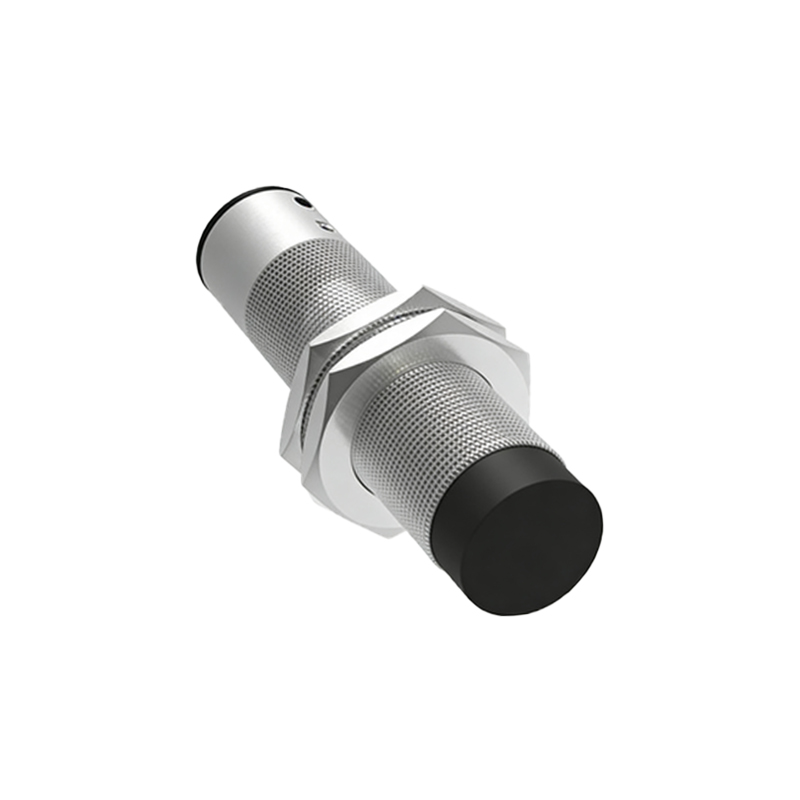
Key advantages of photoelectric proximity sensors include their ability to detect a wide variety of materials—metallic, non-metallic, liquid, or transparent—and their fast response speeds, often in milliseconds, which is crucial for high-throughput manufacturing. They also exhibit minimal wear and tear due to non-contact operation, leading to lower maintenance costs and extended service life. However, challenges such as sensitivity to environmental interference (e.g., fog, dirt, or strong ambient light) necessitate proper installation and shielding. Modern sensors address these with features like polarized filters, modulated light signals to reduce noise, and robust housings rated IP67 or higher for durability.
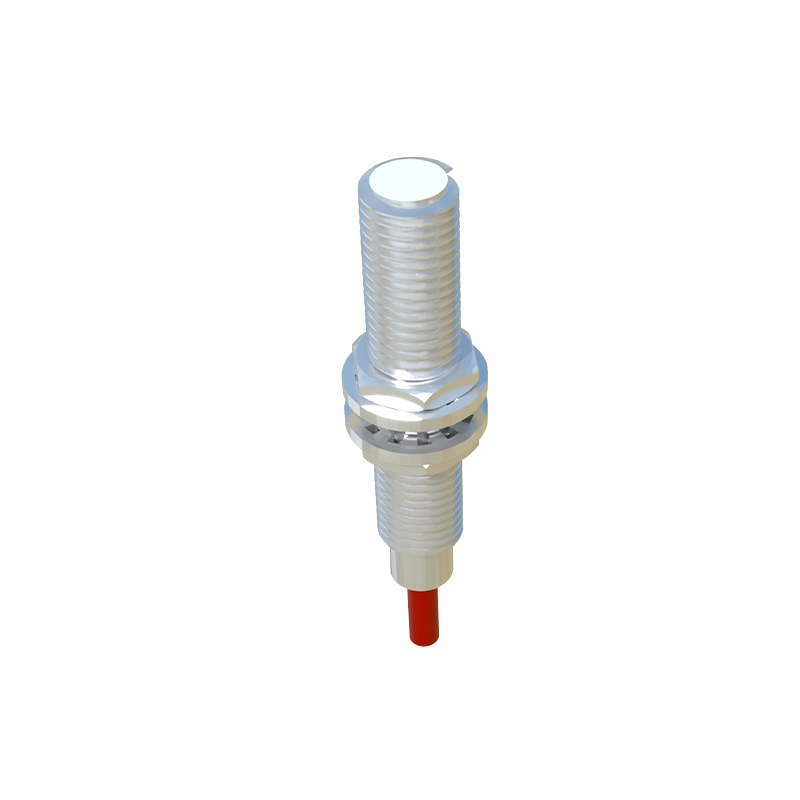
In practice, photoelectric sensors are integral to countless applications. In material handling, they enable object detection on conveyors, palletizing, and robotic guidance. In the electronics industry, they verify component placement on PCBs. Safety systems use them as light curtains to protect workers around machinery. Emerging trends include the integration of IO-Link for smart sensor communication, allowing real-time diagnostics and parameter adjustments, and miniaturization for use in compact devices like mobile robots.
To ensure optimal performance, regular maintenance is advised, including lens cleaning to prevent false triggers and alignment checks for through-beam setups. Calibration may be required for distance-measuring sensors. When integrating these sensors, considerations like mounting position, cable management, and electrical compatibility (e.g., NPN vs. PNP outputs) are vital to avoid operational issues.
Overall, photoelectric proximity sensors represent a mature yet evolving technology that enhances efficiency, safety, and precision in automation. By understanding their principles and types, engineers can leverage these tools to solve complex detection challenges across industries, from manufacturing and logistics to healthcare and beyond. As Industry 4.0 advances, these sensors will continue to play a pivotal role in enabling smarter, more responsive systems.