In the intricate landscape of industrial automation and smart systems, proximity sensors stand as silent yet indispensable sentinels. Their significance transcends their often compact and unassuming physical form, representing a fundamental shift from mechanical interaction to non-contact detection. This evolution is pivotal, enabling the high-speed, reliable, and maintenance-friendly operations that define modern manufacturing, robotics, and beyond.
At its core, a proximity sensor is a device that detects the presence or absence of an object within its sensing range without any physical contact. It achieves this by emitting an electromagnetic field, beam, or acoustic wave and monitoring for changes in the return signal or field. The primary types include inductive sensors (for detecting metallic objects), capacitive sensors (for detecting both metallic and non-metallic materials like liquids, wood, or plastics), ultrasonic sensors, and photoelectric sensors. Each type leverages distinct physical principles, allowing engineers to select the optimal solution for specific environmental conditions, target materials, and precision requirements.
The profound significance of proximity sensors is most evident in their multifaceted contributions to system performance and operational philosophy. Firstly, they are the cornerstone of efficiency and speed. In high-throughput assembly lines, such as those in the automotive or packaging industries, inductive sensors can detect the precise position of metal components on a conveyor at incredible speeds—far beyond the capability of any mechanical limit switch. This enables seamless synchronization of robotic arms for pick-and-place operations, precise counting, and automated sorting, minimizing cycle times and maximizing output.
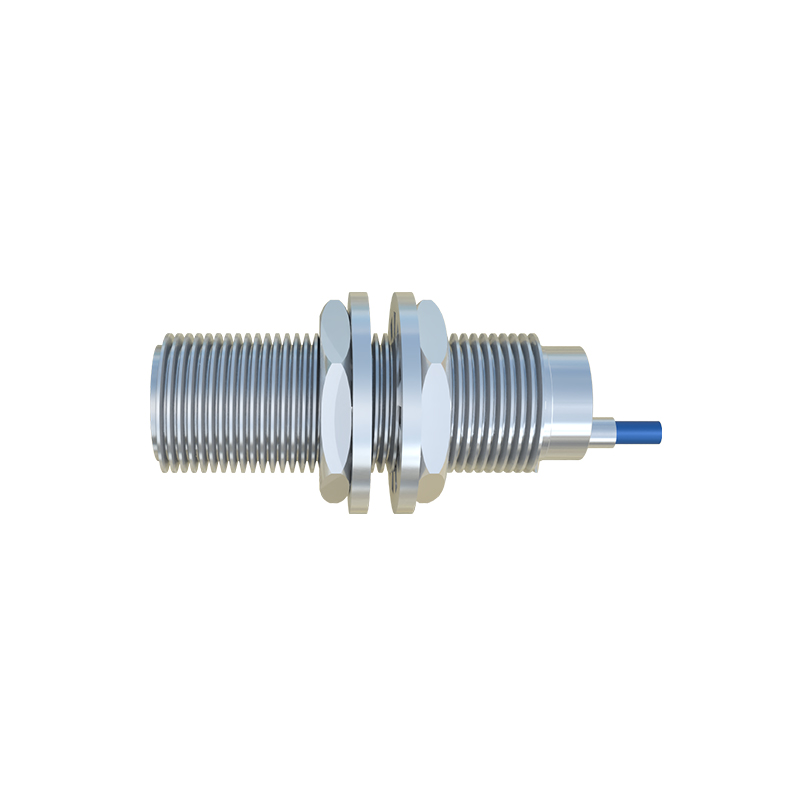
Secondly, they champion reliability and durability. The absence of physical contact eliminates mechanical wear and tear, a common failure point in traditional switches. A well-selected proximity sensor can operate reliably for millions of cycles in harsh environments fraught with dust, moisture, oil, and extreme temperatures. This robustness translates directly into reduced downtime, lower maintenance costs, and enhanced overall equipment effectiveness (OEE). For instance, in metal stamping presses, rugged inductive sensors monitor die position, ensuring safety and process consistency where mechanical contacts would quickly fail.
Thirdly, they enable sophisticated control and safety functions. Proximity sensors provide the critical feedback necessary for closed-loop control systems. In automated guided vehicles (AGVs), ultrasonic and photoelectric sensors create a perception of the surroundings, enabling obstacle detection and collision avoidance. In machine safety, they form the basis of non-contact safety interlocks on guard doors, ensuring machinery halts before a person can reach a hazardous area, thereby protecting personnel without impeding operational flow.
Furthermore, the rise of the Industrial Internet of Things (IIoT) and Industry 4.0 has amplified their role. Modern proximity sensors are increasingly "smart," equipped with IO-Link or other communication protocols. They no longer just provide a simple on/off signal; they can transmit diagnostic data, such as sensor health, temperature, or even the exact distance to a target (in the case of analog or measuring sensors). This data richness facilitates predictive maintenance, where a controller can alert technicians to a weakening signal or contamination buildup before a failure occurs, and allows for flexible, data-driven process adjustments.
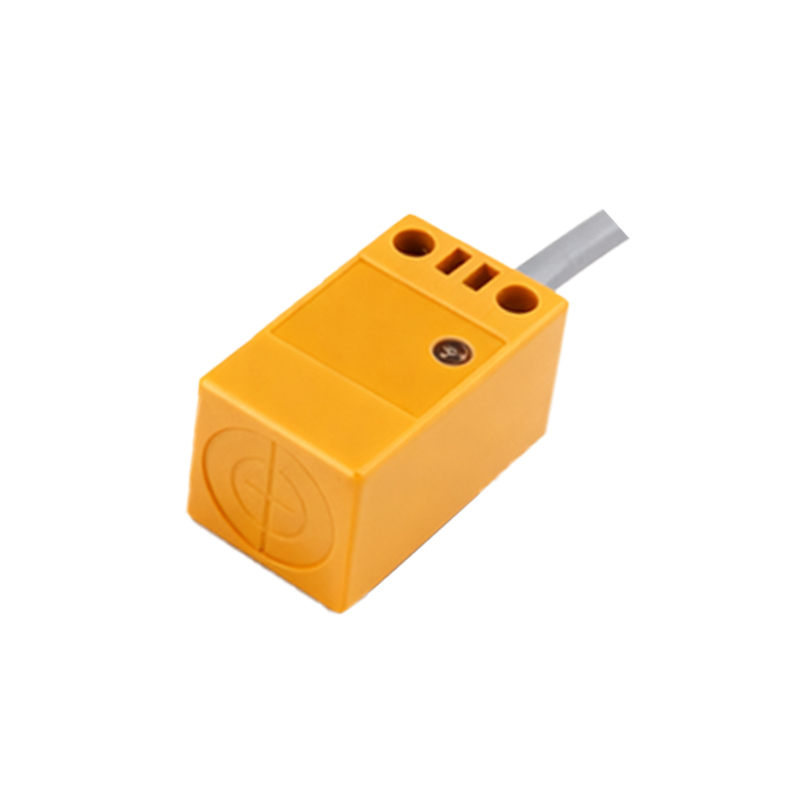
From the precise positioning of silicon wafers in semiconductor fabrication to the detection of fill levels in food and beverage containers, proximity sensors are ubiquitous. Their significance lies not merely in performing a detection task but in enabling a paradigm of automation that is cleaner, faster, smarter, and safer. They are the essential sensory organs of modern industrial systems, providing the reliable, non-contact input upon which intelligent control and decision-making are built. As automation complexity grows and demands for flexibility and data intensity increase, the evolution and application of proximity sensor technology will undoubtedly remain at the forefront, quietly but powerfully driving progress across every sector of the electrical and automation engineering world.