In the rapidly evolving landscape of industrial automation and smart manufacturing, proximity sensors have become indispensable components. These devices, capable of detecting the presence or absence of objects without physical contact, are critical for ensuring precision, safety, and efficiency in countless applications. While global brands often dominate the conversation, a closer look reveals that local proximity sensor companies are playing an increasingly vital and innovative role. These firms are not merely distributors or imitators; they are engineering powerhouses tailoring solutions to meet specific regional and niche market demands with remarkable agility.
Local proximity sensor manufacturers distinguish themselves through deep-rooted understanding of their immediate industrial ecosystems. They engage directly with clients—from automotive assembly lines and packaging plants to local robotics startups and food processing facilities—to address unique challenges. This close collaboration fosters rapid prototyping and customization. For instance, a local company might develop a sensor with a specialized housing material to withstand harsh, localized environmental conditions, such as extreme humidity or chemical exposure, that a global one-size-fits-all product might not handle optimally. Their engineering teams are often more accessible, providing tailored application support and faster turnaround times for technical queries, which is a significant advantage in time-sensitive production environments.
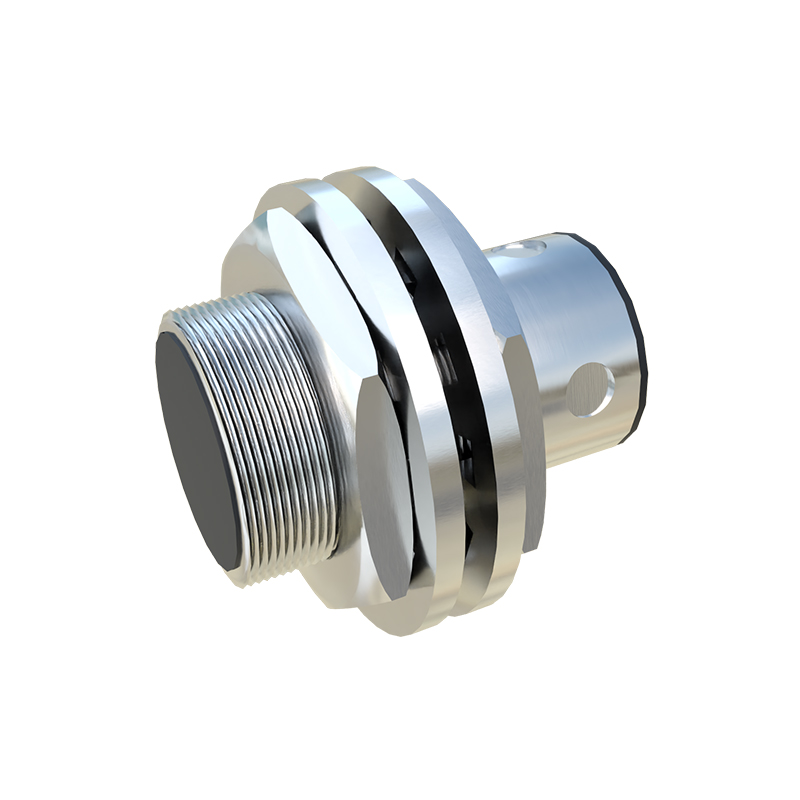
Technologically, these companies are at the forefront of integrating advanced features. Many have developed robust lines of inductive, capacitive, and magnetic proximity sensors with enhanced capabilities. Innovations include sensors with extended sensing ranges, improved noise immunity for electrically noisy factory floors, and compact designs for space-constrained modern machinery. A key trend among leading local firms is the integration of IO-Link communication. This smart sensor technology transforms a simple proximity switch into an intelligent data point, enabling predictive maintenance, parameter configuration on-the-fly, and detailed diagnostics. By offering these Industry 4.0-ready solutions, local companies empower small and medium-sized enterprises to upgrade their operations without the complexity and cost often associated with major international brands.
The supply chain resilience demonstrated by local manufacturers has also become a paramount advantage. In an era where global logistics face disruptions, local production facilities ensure more reliable lead times and inventory availability. This reliability translates directly into reduced downtime for end-users. Furthermore, their business model often allows for greater flexibility in order quantities, supporting both large-scale OEMs and smaller workshops with equal commitment. This flexibility, combined with competitive pricing structures achieved through lean operations and focused R&D, presents a compelling value proposition.
Quality and certification are non-negotiable. Reputable local proximity sensor companies invest heavily in obtaining international certifications like IEC, UL, and CE, ensuring their products meet global safety and performance standards. Their manufacturing processes incorporate rigorous testing protocols, including endurance cycles, temperature extremes, and ingress protection validation. This commitment to quality ensures that locally produced sensors deliver longevity and reliability comparable to, and sometimes exceeding, their global counterparts.
Looking ahead, the trajectory for innovative local proximity sensor companies is exceptionally promising. As industries push for greater connectivity, miniaturization, and energy efficiency, these agile players are well-positioned to pioneer next-generation solutions. Their success is built on a foundation of specialized engineering, responsive customer partnerships, and a steadfast commitment to advancing the technological frontier right within their regional hubs. For engineers and procurement specialists, engaging with these local leaders is not just a sourcing decision; it's a strategic partnership for fostering resilient, efficient, and technologically advanced industrial operations.