In the realm of industrial automation and control systems, proximity sensors stand as fundamental components for non-contact object detection. Among the various form factors available, the M18 cylindrical sensor has emerged as a ubiquitous and versatile workhorse. Characterized by its 18mm diameter threaded barrel housing, this sensor type offers a robust and standardized solution for countless sensing tasks in harsh manufacturing environments. This article delves into the technology, types, applications, and selection criteria for M18 proximity sensors, providing essential knowledge for engineers and technicians.
The primary function of an M18 proximity sensor is to detect the presence or absence of a target object without physical contact. It achieves this by emitting an electromagnetic field, a beam of light, or ultrasonic waves. When a target enters this field, it causes a change in the sensor's state, triggering an electronic switch signal. This non-contact nature eliminates mechanical wear and tear, ensuring high reliability and a long operational lifespan, which is critical for continuous production lines.
M18 sensors are predominantly available in three sensing technologies: inductive, capacitive, and photoelectric. Inductive proximity sensors are the most common variant. They generate an oscillating electromagnetic field from a coil housed in the ferrite core at the sensor's face. They detect only metallic objects, typically ferrous metals like steel with the longest sensing range, and non-ferrous metals like aluminum or copper with a reduced range. The standard sensing distance for a typical inductive M18 sensor is up to 8mm, with factors like target material, size, and shape influencing the effective range. Their immunity to non-metallic substances like dust, oil, and coolants makes them ideal for metal detection in machine tools, robotic arms, and conveyor systems.
Capacitive M18 sensors operate on a different principle. They generate an electrostatic field and detect targets by measuring changes in capacitance. This allows them to sense a wide variety of materials, including metals, plastics, glass, wood, and even liquids or granular materials through non-metallic container walls. This versatility makes them suitable for level detection in tanks, presence detection of plastic parts, or monitoring paper and wood products. However, they can be more susceptible to environmental factors like humidity.
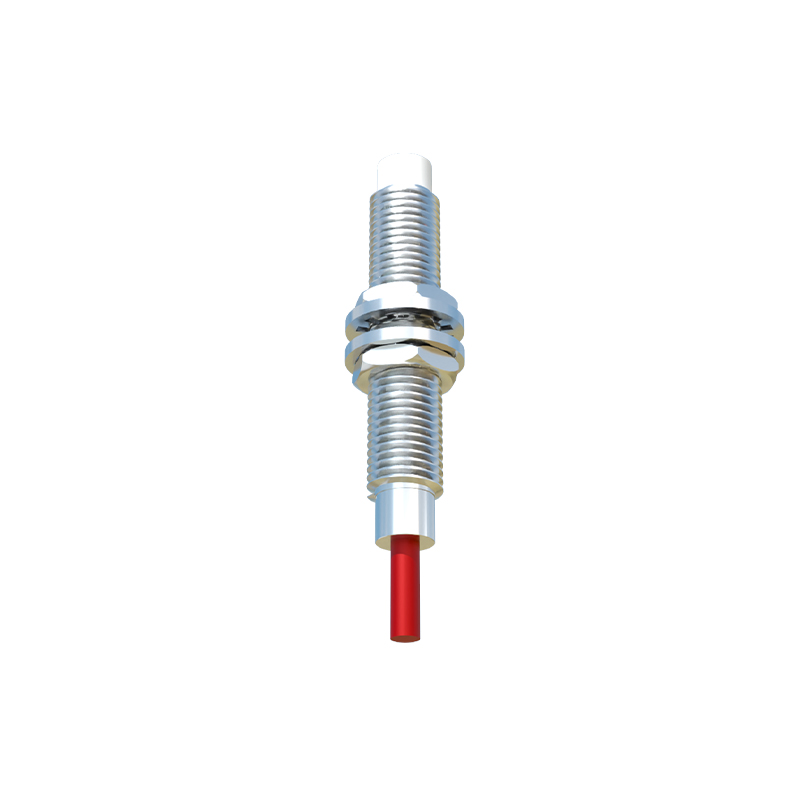
Photoelectric M18 sensors use light, typically infrared or laser, for detection. They come in three main styles: through-beam, retro-reflective, and diffuse reflective. The M18 housing is common for diffuse and retro-reflective types. Diffuse sensors emit light and detect the reflection from the target itself, making them simpler to install as they require only one unit. They are excellent for detecting objects of various colors and materials at moderate ranges. Key specifications include sensing range, light source type, and response time, which is often extremely fast.
When selecting an M18 sensor for an application, several critical parameters must be considered. First is the sensing distance, often specified as the "rated operating distance" (Sn). It's crucial to derate this value for non-standard targets or conditions. The second is the output configuration. Sensors provide either a digital PNP (sourcing) or NPN (sinking) transistor output, or sometimes an analog (4-20mA or 0-10V) output. The choice depends on the input requirements of the connected controller (PLC). The third key factor is the housing material and protection rating. Most M18 sensors feature nickel-plated brass or stainless steel barrels with IP67 or IP69K ratings, ensuring resistance to water, dust, and high-pressure washdowns, which is essential in food & beverage or pharmaceutical industries.
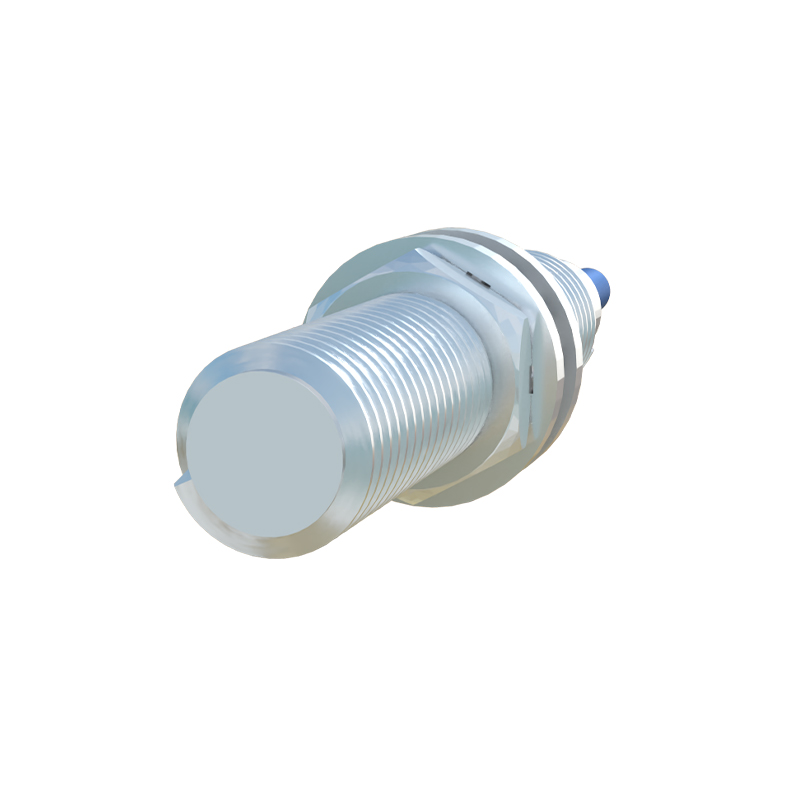
Electrical connection is another vital aspect. M18 sensors come with pre-wired cables of varying lengths or with quick-disconnect (QD) connectors. QD connectors, such as the M12 standard, offer significant advantages for maintenance, allowing for rapid sensor replacement without rewiring. The operating voltage range, typically 10-30V DC, must also be compatible with the plant's power supply.
In practice, M18 proximity sensors are deployed in a vast array of applications. They are used for part counting on high-speed assembly lines, verifying the position of a cylinder rod in pneumatic systems, detecting the end of a roll in packaging machinery, and ensuring proper tooling is present in a CNC machine. Their rugged design allows them to withstand vibration, shock, and temperature extremes common in industrial settings.
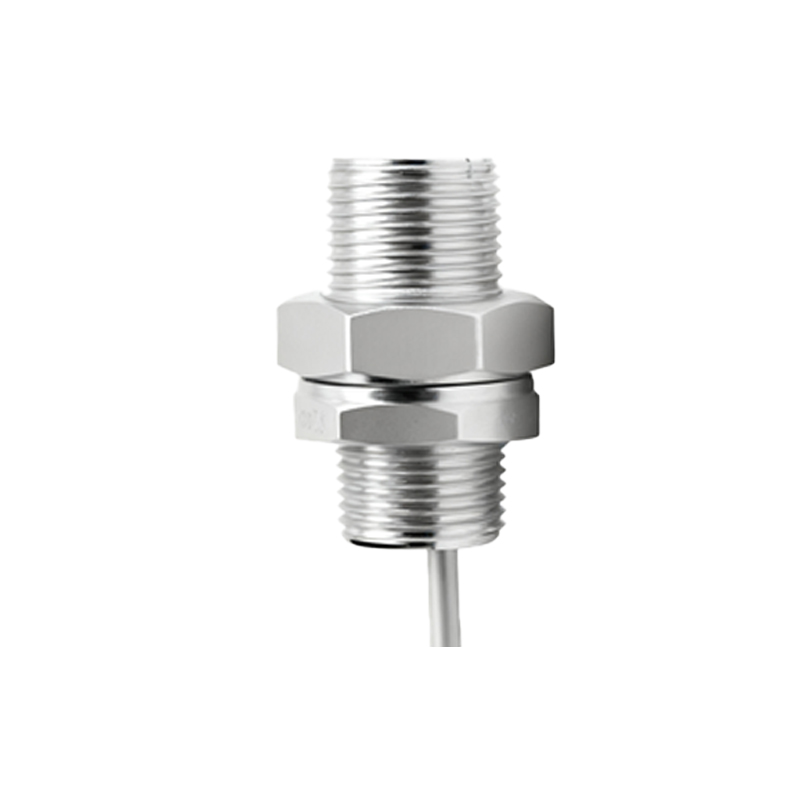
Installation and alignment are straightforward but require attention. The sensor should be mounted securely using its integrated threads. For inductive sensors, maintaining a proper "mounting distance" from surrounding metal is necessary to prevent false triggering. For photoelectric sensors, keeping the lens clean from debris is paramount for reliable operation. Regular functional checks should be part of preventative maintenance routines.
In conclusion, the M18 proximity sensor is a cornerstone of modern industrial sensing. Its standardized size, rugged construction, and availability in multiple sensing technologies make it an indispensable