In the rapidly evolving landscape of industrial automation and consumer electronics, the demand for compact, efficient, and reliable sensing solutions has never been higher. Among the innovations driving this trend, ultra-thin proximity sensors stand out as a transformative technology, offering unparalleled performance in minimalistic designs. These sensors, often measuring less than a few millimeters in thickness, are engineered to detect the presence or absence of objects without physical contact, leveraging principles such as electromagnetic fields, capacitive coupling, or infrared light. Their slim profile enables seamless integration into space-constrained environments, from smartphone displays and wearable devices to advanced robotics and automotive systems.
The core technology behind ultra-thin proximity sensors typically involves sophisticated micro-electromechanical systems (MEMS) and printed electronics, which allow for high sensitivity and low power consumption. For instance, capacitive-based sensors can detect subtle changes in capacitance caused by nearby objects, making them ideal for touchless interfaces in consumer gadgets. Meanwhile, inductive variants excel in harsh industrial settings, where they monitor metal components with precision, unaffected by dust, moisture, or temperature fluctuations. The development of flexible substrates has further expanded their applicability, enabling conformal installation on curved surfaces, such as in medical equipment or smart packaging.
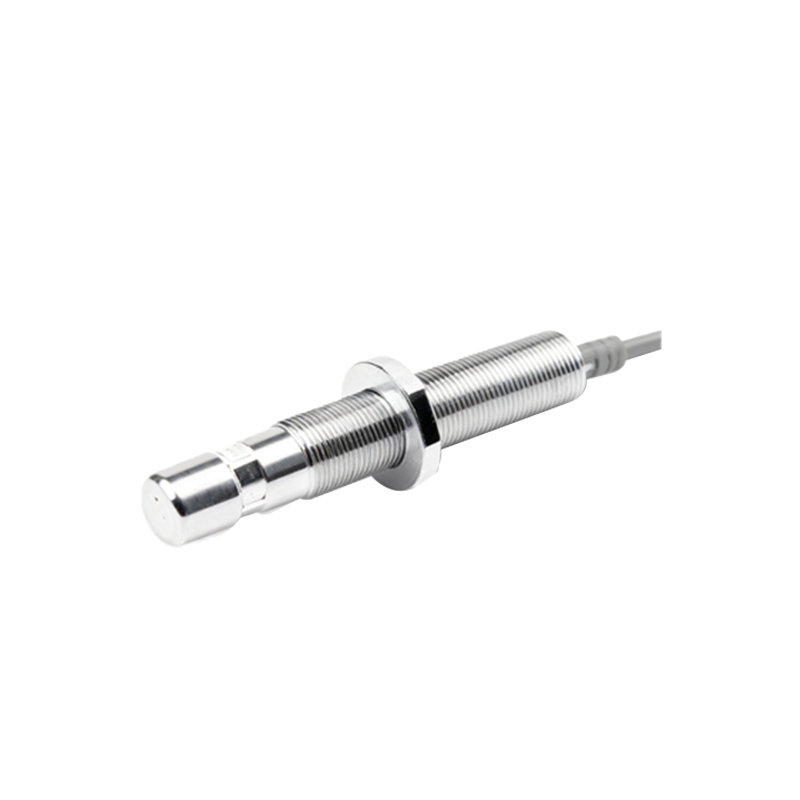
One of the key advantages of ultra-thin proximity sensors is their ability to enhance user experience and operational efficiency. In smartphones, they prevent accidental screen touches during calls by sensing when the device is near the ear, thereby conserving battery life. In automotive applications, these sensors contribute to safety features like automatic door locking or gesture-controlled infotainment systems, reducing driver distraction. Industrial automation benefits include precise object detection on conveyor belts, enabling real-time inventory tracking and minimizing production errors. Moreover, the low-profile design reduces mechanical stress and installation complexity, leading to cost savings in manufacturing and maintenance.
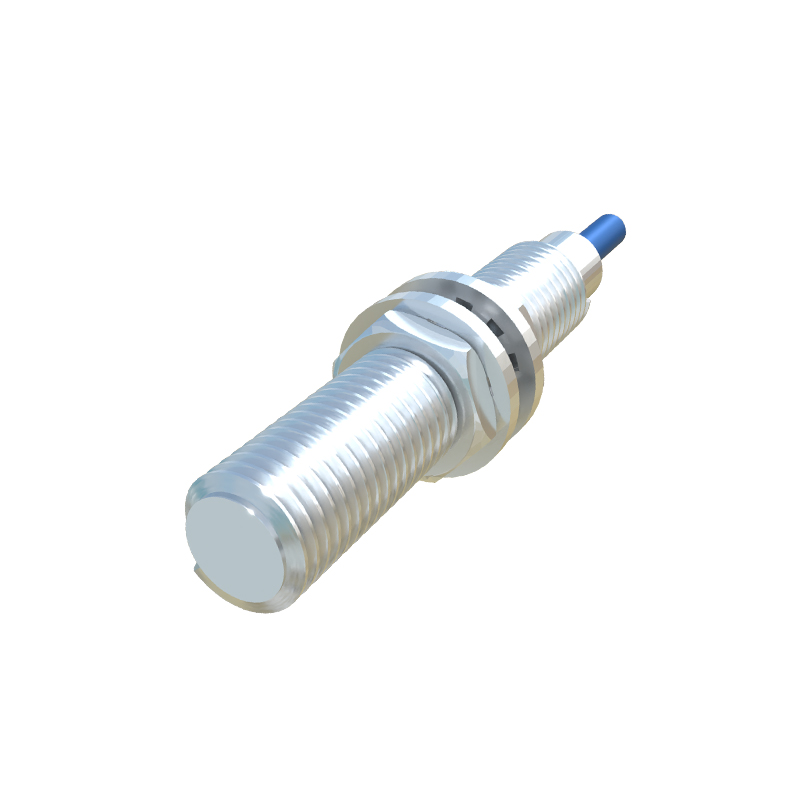
Despite their benefits, designing ultra-thin proximity sensors presents challenges, such as mitigating interference from electromagnetic noise or ensuring consistent performance across varying environmental conditions. Engineers address these issues through advanced shielding techniques, adaptive algorithms, and rigorous testing protocols. Future advancements are likely to focus on integrating artificial intelligence for predictive analytics, enhancing sensor fusion with other IoT devices, and improving energy harvesting capabilities to support wireless operation. As industries push toward miniaturization and smart connectivity, ultra-thin proximity sensors are poised to become ubiquitous, driving innovations in areas like augmented reality, smart homes, and precision agriculture.
In conclusion, ultra-thin proximity sensors represent a significant leap forward in sensing technology, combining compactness with high functionality. Their versatility across diverse sectors underscores their importance in the digital transformation era, where efficiency and space optimization are paramount. By continuing to refine their design and capabilities, engineers can unlock new possibilities, making everyday interactions more intuitive and industrial processes more streamlined.