In the world of industrial automation and machine design, selecting the right proximity sensor is a critical decision that impacts performance, safety, and cost. However, one of the most common and frustrating hurdles engineers and procurement specialists face is obtaining a clear, accurate, and timely quotation. Vague quotes lead to project delays, budget overruns, and integration headaches. This guide outlines the essential information you must provide to suppliers to receive a precise and actionable proximity sensor quote, ensuring your project stays on track.
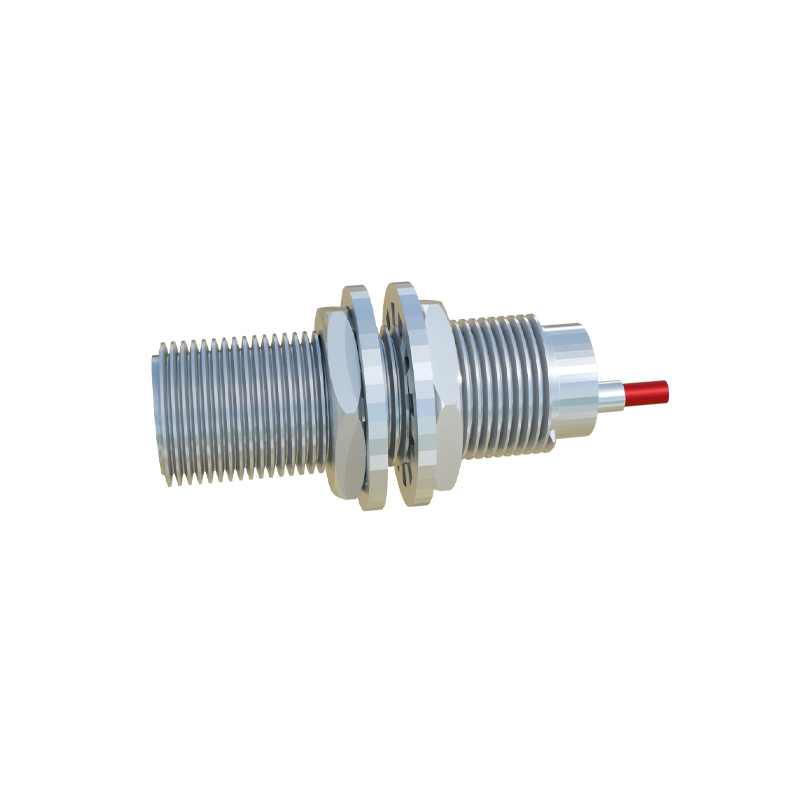
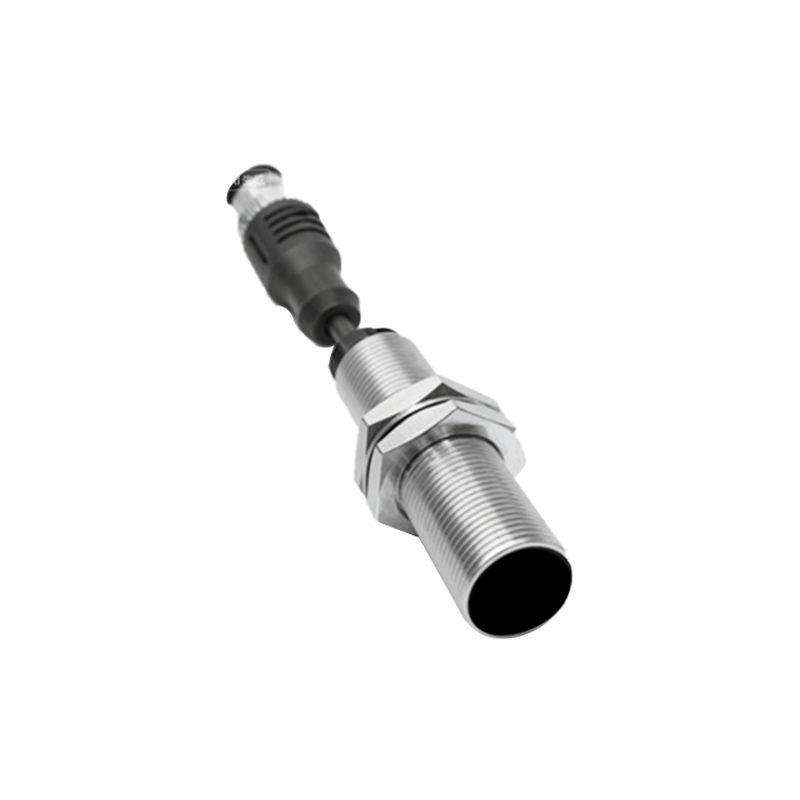
The first and most crucial step is defining the technical specifications with absolute clarity. Simply asking for a "quote on a proximity sensor" is insufficient. You must specify the sensor type: inductive (for detecting metals), capacitive (for detecting non-metals, liquids, or levels), or ultrasonic (for distance measurement and presence detection of various materials). For inductive sensors, note the target metal type (e.g., mild steel, stainless steel, aluminum) as sensing distances vary significantly. The required sensing distance, or nominal range, is paramount. Always specify this in millimeters under standard conditions. Don't forget the electrical requirements: operating voltage (e.g., 10-30V DC, 20-250V AC), output type (PNP/NPN, NO/NC, analog 4-20mA/0-10V), and current rating. The housing material (e.g., stainless steel, brass, PBT plastic) and ingress protection rating (IP67, IP69K) are vital for environmental durability. Finally, detail the mechanical requirements: thread size (e.g., M8, M12, M18, M30), barrel shape, and cable or connector type (e.g., M12 4-pin, PVC cable).
Beyond the core sensor specs, the application context is what separates a generic quote from a tailored solution. Describe the physical environment. What are the ambient temperature ranges? Is there exposure to coolants, oils, solvents, or washdown procedures? Are there strong electromagnetic fields or welding sparks nearby? Explain the installation constraints. Is it a tight space requiring a miniature sensor? What is the mounting method: flush, non-flush, or in a slot? Crucially, describe the target object. For inductive sensors, specify the size, shape, and exact material of the metal piece. For capacitive sensors, detail the material being sensed and any potential interfering objects. This context allows the supplier to recommend specific models with the right housing, shielding, and performance characteristics to ensure long-term reliability.
Quantity and logistics are the final pillars of an accurate quote. Be clear about your required quantity, both for the initial prototype or pilot run and for the anticipated annual volume. Suppliers offer drastically different pricing for 10 units versus 10,000 units. Specify your desired delivery lead time and any phased delivery requirements. Indicate your location for shipping cost calculation and any preferred incoterms (e.g., EXW, FOB, DAP). If you have specific packaging or labeling needs, mention them. Furthermore, inquire about value-added services. Do you need technical drawings, 3D models, or certificates of conformity? Are sample units required for testing before bulk order? Clarifying these points upfront prevents surprises later.
To streamline the process, prepare a standardized request for quotation (RFQ) template for your team. A well-structured RFQ should include sections for: Project/Application Name, Technical Specifications Table, Environmental & Application Notes, Quantity & Schedule, and Logistics/Service Requirements. Providing a clear datasheet or drawing of the target and installation area can be immensely helpful.
In conclusion, receiving an accurate proximity sensor quote is not a passive activity. It requires proactive, detailed communication from the buyer. By meticulously providing comprehensive technical data, application context, and commercial terms, you empower your supplier to act as a solution partner rather than just a parts vendor. This collaborative approach minimizes risk, accelerates procurement, and ultimately contributes to a more robust and cost-effective automation system. Remember, the time invested in preparing a precise inquiry saves exponentially more time and money during installation, commissioning, and operation.