Square proximity sensors have become indispensable components in modern industrial automation, offering unique advantages over traditional cylindrical models. Their flat, compact design allows for seamless integration into machinery with limited space, while providing reliable non-contact detection capabilities. These sensors operate on various principles including inductive, capacitive, and magnetic technologies, each suited for specific industrial environments.
In manufacturing assembly lines, square proximity sensors excel in precision positioning tasks. Their flat sensing surface enables accurate detection of metallic components, such as verifying the presence of machine parts on conveyor systems. The squared geometry permits closer mounting arrangements, improving detection consistency in multi-sensor configurations. Automotive manufacturers particularly benefit from these sensors in robotic welding stations, where their robust housing withstands spatter and vibration while maintaining stable operation.
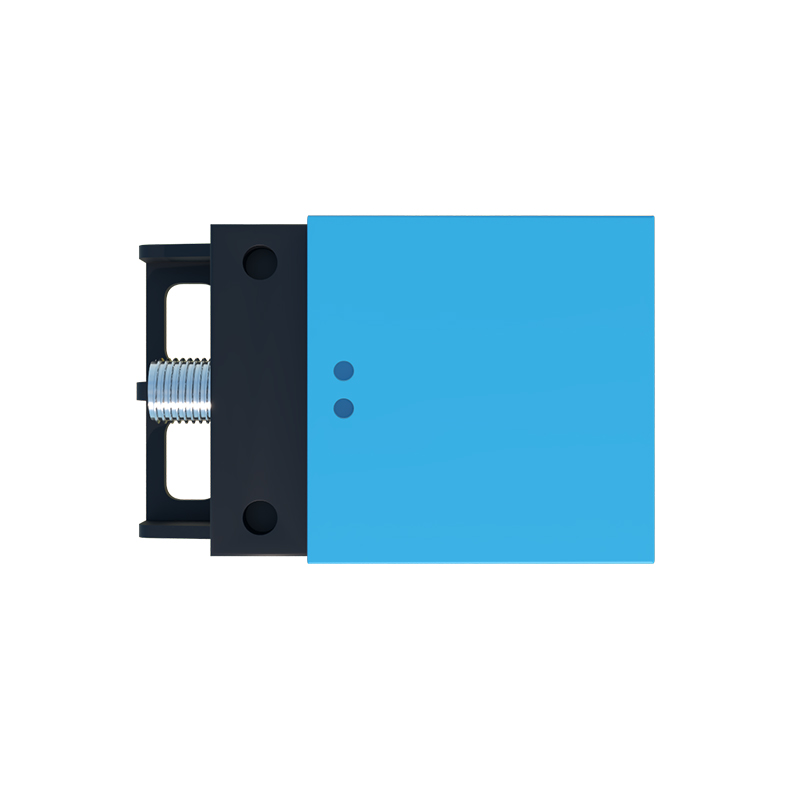
Material handling systems extensively utilize square proximity sensors for object counting and jam detection. The sensors' ability to detect through non-metallic materials makes them ideal for monitoring packaging operations. In bottling plants, they verify cap placement by sensing metallic liners through plastic containers. Their IP67-rated enclosures protect against dust and washdown procedures, ensuring reliability in food processing and pharmaceutical applications where hygiene standards are critical.
The electronics industry leverages square proximity sensors for PCB board positioning and component verification. Their electromagnetic immunity prevents false triggering near power supplies and motor drives. Advanced models feature embedded diagnostics like IO-Link communication, providing real-time monitoring of sensing distance adjustments and contamination alerts. This predictive maintenance capability reduces downtime in high-speed production environments.
Square proximity sensors demonstrate superior performance in harsh conditions. Their molded corners eliminate debris accumulation points common in cylindrical sensors. Temperature-resistant variants operate reliably in foundry applications, detecting molten metal containers without cooling systems. The flat profile minimizes damage risks in cramped installations like CNC tool changers, where space optimization directly impacts machinery design flexibility.
Modern square sensors incorporate innovative features like weld-field immunity for automotive manufacturing, allowing stable detection near welding currents up to 400A. Some models offer sensing ranges exceeding 15mm for ferrous metals, with minimal temperature drift between -25°C to 70°C. Their LED indicators provide multicolor status feedback, while corrosion-resistant nickel-plated brass or stainless steel housings withstand chemical exposure in chemical processing plants.
As Industry 4.0 advances, square proximity sensors with digital interfaces enable seamless integration into IoT systems. They contribute to smart factory networks by providing granular production data, supporting just-in-time manufacturing processes. Their standardized mounting dimensions simplify replacement procedures, reducing maintenance training requirements across global operations.
The evolution of square proximity sensors continues with miniaturized versions for micro-assembly applications and high-temperature models for furnace monitoring. Their geometric advantages combined with advancing sensing technologies ensure ongoing relevance in automated systems, from semiconductor fabrication to renewable energy equipment manufacturing. Proper selection considering factors like target material, sensing distance requirements, and environmental conditions maximizes their operational benefits across diverse industrial sectors.