In the realm of industrial automation, speed sensors and proximity switches stand as fundamental components that drive efficiency, safety, and precision. These devices, though often operating behind the scenes, are critical for monitoring and controlling machinery in diverse applications—from manufacturing lines and robotics to automotive systems and aerospace. Understanding their principles, types, and applications is essential for engineers and technicians aiming to optimize industrial processes.
Speed sensors, as the name implies, are designed to measure the rotational or linear velocity of moving parts. They convert mechanical motion into electrical signals, providing real-time data that can be used for control, feedback, or diagnostic purposes. Common types include magnetic speed sensors, which detect changes in magnetic fields caused by rotating gears or shafts; optical encoders, which use light beams to count pulses from a coded disk; and Hall-effect sensors, which respond to magnetic fields to determine speed. Each type offers distinct advantages: magnetic sensors are robust and suitable for harsh environments, optical encoders deliver high precision, and Hall-effect sensors are reliable for digital output. In practice, speed sensors are integral to applications like motor control, conveyor belt monitoring, and vehicle speed detection, ensuring systems operate within safe and efficient parameters.
Proximity switches, on the other hand, are non-contact sensors that detect the presence or absence of objects within a specified range without physical contact. They work by emitting an electromagnetic field or beam and sensing changes when an object enters the field. Key categories include inductive proximity switches, which detect metallic objects through electromagnetic induction; capacitive proximity switches, capable of sensing both metallic and non-metallic materials by measuring capacitance changes; and ultrasonic proximity switches, which use sound waves to detect objects, even in challenging conditions like dust or moisture. These switches are prized for their durability, fast response times, and ability to function in demanding industrial settings. Typical uses include object detection on assembly lines, position sensing in robotics, and safety interlocks to prevent machinery accidents.
The synergy between speed sensors and proximity switches enhances automation systems significantly. For instance, in a packaging plant, proximity switches might detect products on a conveyor, while speed sensors monitor the belt's velocity to synchronize operations. This integration allows for seamless coordination, reducing downtime and improving throughput. Moreover, advancements in technology have led to smarter, more connected devices. Modern speed sensors and proximity switches often feature digital outputs, IoT compatibility, and self-diagnostic capabilities, enabling predictive maintenance and data analytics. Such innovations align with Industry 4.0 trends, where real-time monitoring and interconnectivity boost productivity.
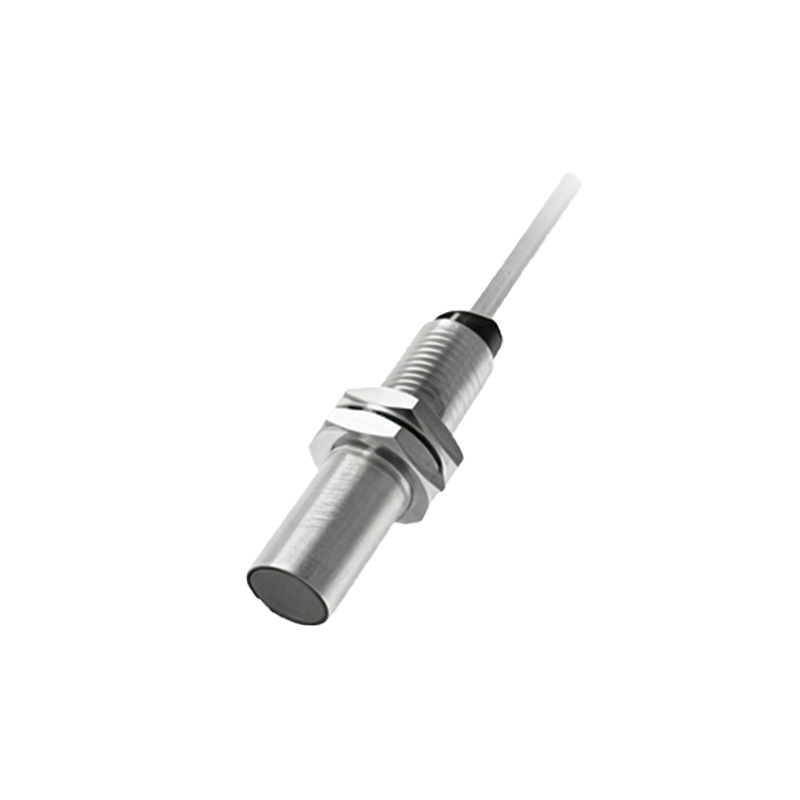
Selecting the right sensor depends on factors like environmental conditions, material properties, required accuracy, and cost. Engineers must consider aspects such as temperature ranges, exposure to contaminants, and response speed. For example, in a high-vibration automotive environment, a rugged magnetic speed sensor might be preferred, while a clean-room electronics assembly line could benefit from a precise optical encoder. Similarly, an inductive proximity switch may suffice for metal detection, but a capacitive type is needed for plastic or liquid sensing. Proper installation and calibration are also crucial to ensure reliable performance and longevity.
In conclusion, speed sensors and proximity switches are indispensable tools in today's automated industries. Their ability to provide accurate, real-time feedback enables smarter control systems, enhances safety, and drives operational excellence. As technology evolves, these components will continue to play a pivotal role in shaping the future of manufacturing and beyond, underscoring the importance of staying informed about their capabilities and applications. For professionals in the field, mastering these devices is key to leveraging automation for competitive advantage.