In the rapidly evolving landscape of industrial automation and smart manufacturing, proximity sensors play a pivotal role. These non-contact devices detect the presence or absence of objects, enabling precise control, safety, and efficiency in countless applications. The global market is dominated by several established brands, each offering distinct technological advantages and specialized solutions. This article provides a technical overview of leading international proximity sensor manufacturers, focusing on their core technologies, product strengths, and typical industrial applications.
One of the most recognized names in the field is Sick AG, headquartered in Germany. Sick is renowned for its high-precision and robust sensor solutions. Their portfolio includes inductive, capacitive, and magnetic proximity sensors designed for extreme environments. A key strength lies in their innovative designs that offer exceptional resistance to electromagnetic interference (EMI) and environmental contaminants like dust, oil, and coolants. For instance, their IM series inductive sensors are industry benchmarks for reliable object detection in automotive assembly lines and packaging machinery, even in the presence of metallic swarf or harsh washing processes.
From Switzerland, Baumer Group stands out for its emphasis on innovation and customization. Baumer's sensors are celebrated for their exceptional accuracy and miniaturization capabilities. They offer a wide range of photoelectric and inductive sensors with advanced features like IO-Link communication, which facilitates smart sensor integration and predictive maintenance. Their Fotoelectric sensors, in particular, provide superior performance in detecting small or transparent objects on high-speed production lines, such as in the pharmaceutical and electronics sectors. Baumer’s focus on application-specific solutions makes them a preferred partner for complex automation challenges.
Omron Corporation, a Japanese multinational, is another global powerhouse. Omron's proximity sensor range is vast, covering inductive, capacitive, and ultrasonic types. They are particularly noted for their reliability, long operational life, and ease of integration. Omron has pioneered developments in sensing technology, such as their E2E ultra-small cylindrical inductive sensors and multi-voltage capable models that simplify inventory management. Their sensors are ubiquitous in automotive manufacturing, machine tools, and robotic cells, where consistent performance and minimal downtime are critical.
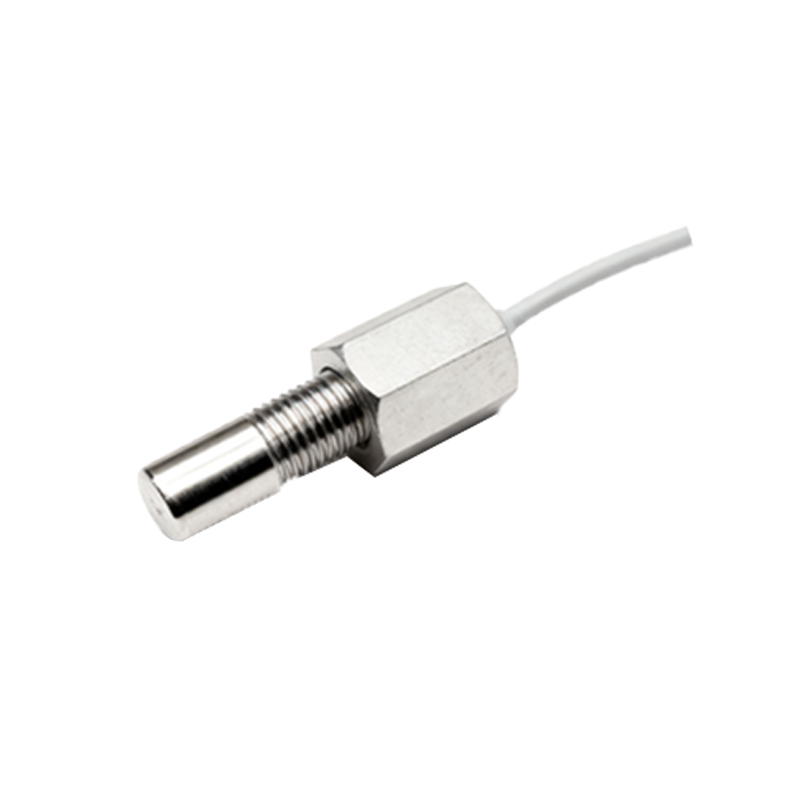
The American brand Rockwell Automation (Allen-Bradley) offers sensors deeply integrated into broader control and information solutions. Their proximity sensors, including the popular 871TM series, are engineered for seamless compatibility with Allen-Bradley programmable logic controllers (PLCs) and networks. This ecosystem approach reduces integration complexity and enhances system diagnostics. These sensors are built for durability in North American heavy industries, such as mining, oil & gas, and pulp & paper, where ruggedness and network connectivity are paramount.
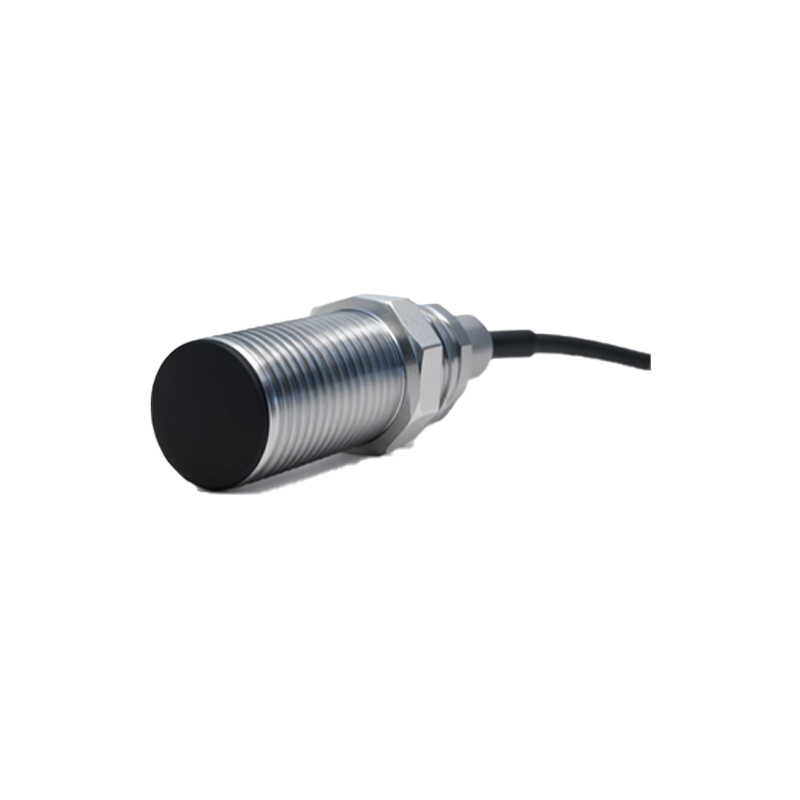
Pepperl+Fuchs, another German specialist, has a formidable reputation in intrinsic safety and sensor technology for hazardous areas. Their expertise is crucial in industries like chemical processing, oil refineries, and grain handling, where explosive atmospheres are a risk. Their inductive and capacitive sensors often carry ATEX, IECEx, and other international certifications for use in Zone 0, 1, and 2 hazardous locations. Beyond safety, they offer high-performance sensors with advanced diagnostic capabilities for general factory automation.
Turck, also from Germany, is a leader in connectivity and ruggedized sensor design. Turck pioneered the use of M12 connectors in sensor technology, now an industry standard. Their sensors are known for their robust housings, high protection ratings (up to IP69K), and innovative form factors like block-style sensors that simplify mounting. Their Q series inductive sensors, for example, are famous for extended sensing ranges and resilience in challenging environments like material handling and outdoor applications.
Selecting the right proximity sensor brand depends on a thorough analysis of the application requirements: the target material, required sensing distance, environmental conditions (temperature, pressure, contaminants), necessary output type (PNP/NPN, analog, IO-Link), and integration needs with existing control architecture. While Sick and Pepperl+Fuchs excel in harsh and hazardous conditions, Baumer and Omron lead in precision and miniaturization for high-speed automation. Rockwell Automation offers superior system integration, and Turck provides unmatched ruggedness and connectivity.
In conclusion, the dominance of these European, Japanese, and American brands underscores the importance of regional engineering philosophies—German precision and robustness, Swiss innovation, Japanese reliability, and American system integration. As Industry 4.0 advances, these manufacturers are increasingly incorporating smart features like condition monitoring and digital twins into their sensors. Understanding the core competencies of each brand enables engineers and procurement specialists to make informed decisions, ensuring optimal performance, safety, and return on investment for their automation projects.