In the realm of industrial automation and control systems, terminology can sometimes lead to confusion. One common question that arises among engineers, technicians, and procurement specialists is: "Is a proximity switch a sensor?" The short and definitive answer is yes. A proximity switch is fundamentally a type of sensor, specifically a non-contact position sensor. To fully appreciate this classification, it's essential to delve into the definitions, working principles, and applications that solidify its role within the broader sensor family.
At its core, a sensor is a device that detects or measures a physical property and records, indicates, or otherwise responds to it. It converts a physical phenomenon—such as temperature, pressure, light, or position—into an electrical signal that can be interpreted by a control system. Proximity switches perform exactly this function. They detect the presence or absence of a target object within a specified range without any physical contact. Upon detection, they generate a discrete on/off output signal. This binary signal is the "switch" aspect of its name, indicating its primary function as a digital switching device triggered by a sensing event.
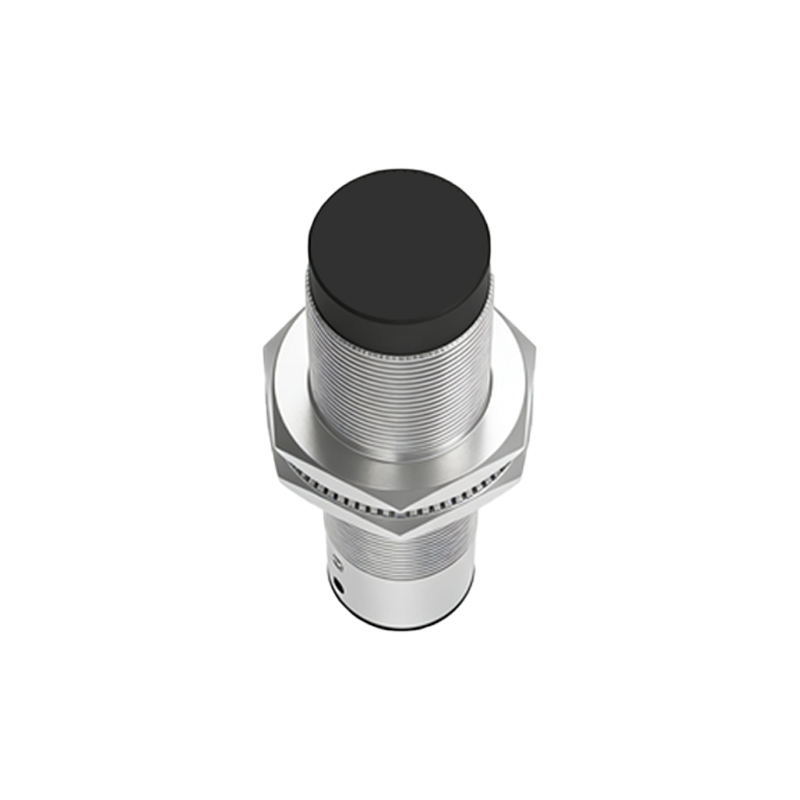
The working principle depends on the technology employed. The most common types include inductive, capacitive, and magnetic (reed or Hall effect) proximity switches. An inductive proximity switch, for instance, generates an electromagnetic field. When a metallic target enters this field, it causes a change in the oscillation amplitude, which is detected by the internal circuit, subsequently triggering the output switch. A capacitive version can detect both metallic and non-metallic objects by sensing changes in capacitance. In all cases, the fundamental operation involves sensing a change in a physical field (electromagnetic or electrostatic) and converting that change into a usable electrical control signal. This process aligns perfectly with the universal definition of a sensor: a transducer that converts one form of energy (the presence of an object) into another (an electrical signal).
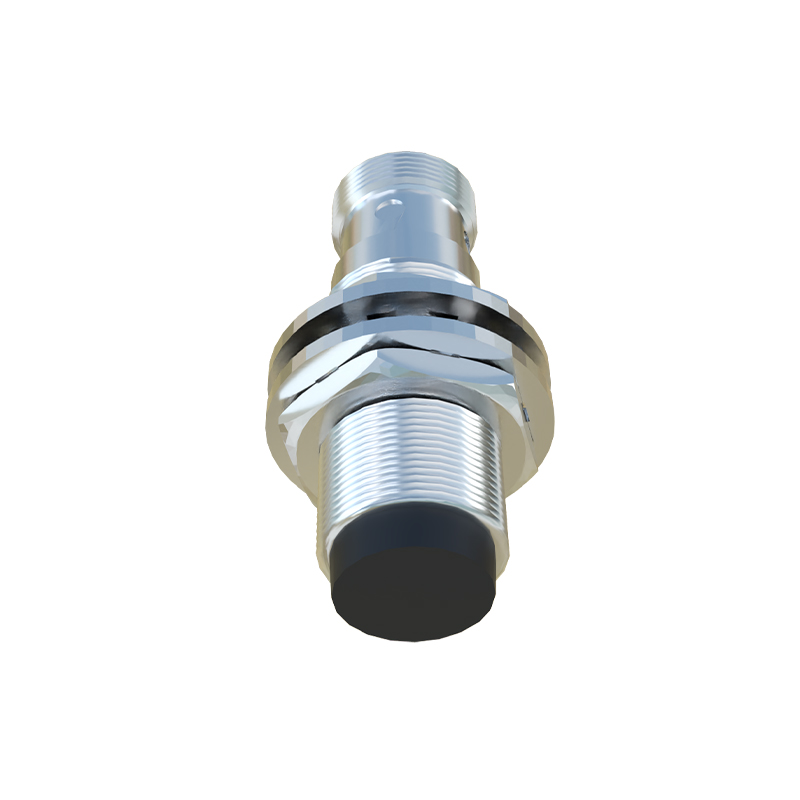
Why then is it often called a "switch" and not just a "sensor"? The distinction often lies in the output and application context. The term "sensor" is a broad category encompassing devices with both analog and digital outputs. A temperature sensor might provide a continuous 4-20mA signal representing a range of temperatures. In contrast, a proximity switch is designed to provide a discrete, clean, and fast switching signal—typically a solid-state or relay output that is either ON or OFF. This makes it ideal for direct interface with Programmable Logic Controllers (PLCs), counters, timers, and other control logic where a simple "object present" or "object absent" command is required. Therefore, "proximity switch" emphasizes its application as a binary control element, while its underlying mechanism is purely sensory.
In practical industrial applications, proximity switches are ubiquitous sensors. They are deployed for tasks such as object detection on conveyor belts, determining the end position of a cylinder (end-of-stroke detection), counting parts, monitoring rotational speed, and ensuring machine safety by verifying the correct position of guards or tools. Their non-contact nature grants them superior longevity and reliability compared to mechanical limit switches, as there is no wear from physical impact. They are robust, capable of operating in harsh environments with dust, oil, and vibration, which is a testament to their design as industrial-grade sensors.

To further clarify, consider the relationship as hierarchical. All proximity switches are sensors, but not all sensors are proximity switches. A photoelectric sensor, for example, also detects presence but uses a beam of light. A pressure sensor provides an analog value. The proximity switch occupies a specific, critical niche within the sensor universe: non-contact, digital-output position/presence detection.
In conclusion, from both a technical and functional perspective, a proximity switch is unequivocally a sensor. It senses the presence of an object through changes in an electromagnetic or electrostatic field and converts this detection into a discrete electrical signal. The nomenclature "switch" highlights its output characteristic and primary role in control circuits, but its heart is that of a sensor. Understanding this is crucial for proper selection, integration, and troubleshooting in automated systems, ensuring efficient and reliable operation across countless industries, from automotive manufacturing to food processing and beyond.