Proximity sensors are indispensable components in modern industrial automation, providing non-contact detection of objects with high precision and reliability. Among various types, the 20 series proximity sensors—often referring to models with 20mm diameter housings or specific sensing ranges—are widely adopted across multiple sectors due to their robustness and versatility. This article explores key application areas where these sensors play a critical role.
In manufacturing assembly lines, 20 proximity sensors are frequently deployed for position verification and part counting. For instance, on conveyor systems, they detect the presence of components as they move through stations, ensuring proper alignment before robotic arms engage. Their immunity to environmental factors like dust or oil makes them suitable for harsh workshop conditions. In automotive production, these sensors monitor the placement of engine parts, brake components, or door handles, triggering alerts if any item is missing or misaligned.
Packaging machinery heavily relies on 20 proximity sensors for material handling and safety. In filling and capping operations, sensors verify that containers are correctly positioned before liquid or powder is dispensed. They also oversee the integrity of packaging films, detecting tears or jams to prevent downtime. Additionally, in automated palletizing, sensors confirm stack heights and product presence, optimizing logistics flow.
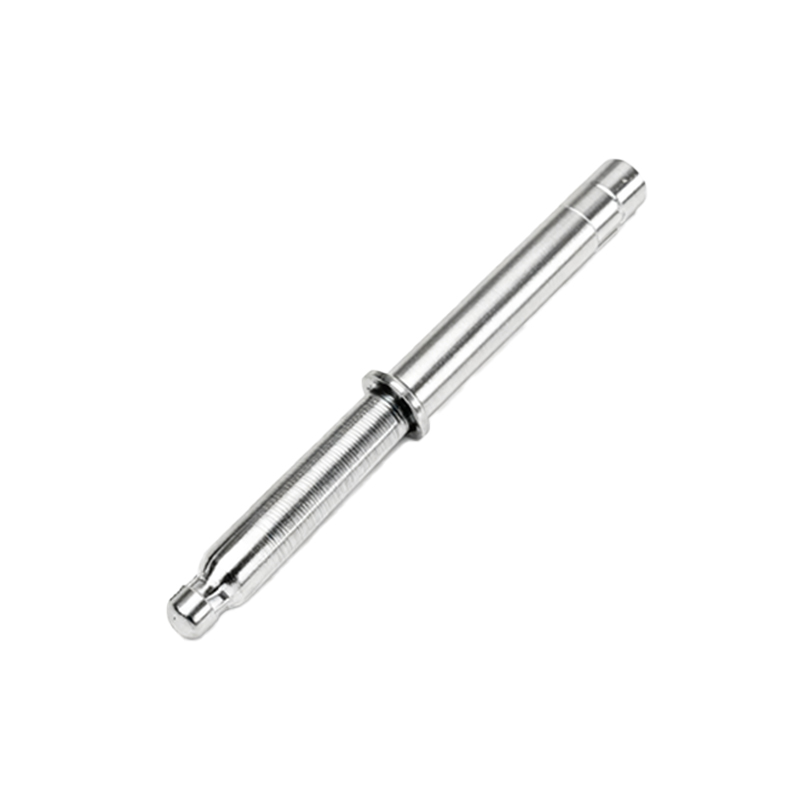
The food and beverage industry utilizes 20 proximity sensors to maintain hygiene and efficiency. Stainless steel variants, resistant to corrosion and washdowns, are installed on bottling lines to track bottle caps or labels. In dairy processing, sensors monitor valve positions in piping systems, ensuring precise control of liquid flow without contamination risks. Their fast response time helps maintain high-speed production while adhering to strict sanitary standards.
Robotics and material handling systems integrate 20 proximity sensors for enhanced accuracy. On automated guided vehicles (AGVs), sensors assist in obstacle detection and navigation, preventing collisions in warehouses. In robotic grippers, they confirm object pickup or release, enabling delicate handling of electronics or fragile items. Moreover, sensors in storage racks facilitate inventory management by identifying bin occupancy, supporting just-in-time supply chains.
Machine safety is another critical domain. 20 proximity sensors serve as interlock devices on guard doors or access panels, halting equipment when opened to protect operators. In press brakes or stamping machines, they ensure tools are clear before activation, reducing accident risks. Their fail-safe designs comply with international standards like ISO 13849, promoting workplace safety.
Energy and infrastructure sectors apply these sensors for monitoring and control. In wind turbines, sensors detect blade positions or gearbox movements, aiding predictive maintenance. Water treatment plants use them to gauge valve states or filter statuses, automating purification processes. Their durability in extreme temperatures or vibrations ensures long-term reliability in such demanding environments.
In summary, 20 proximity sensors are ubiquitous in industrial settings, from assembly and packaging to robotics and safety systems. Their adaptability across industries stems from features like compact size, high sensing ranges (often up to 15mm for inductive models), and resistance to interference. As automation evolves, these sensors will continue to underpin efficiency, quality control, and operational safety, making them a cornerstone of smart manufacturing initiatives worldwide.