In the realm of industrial automation and control systems, proximity sensors are indispensable components for non-contact object detection. Among their various operational characteristics, the distinction between high-frequency and low-frequency models is a critical factor influencing application suitability, performance, and system integrity. This article delves into the technical principles, comparative advantages, and optimal application scenarios for both high-frequency and low-frequency proximity sensors.
Fundamentally, the terms "high-frequency" and "low-frequency" refer to the oscillation frequency generated within the sensor's internal oscillator circuit. A standard inductive proximity sensor operates by generating a high-frequency electromagnetic field from its sensing face. When a metallic target enters this field, it induces eddy currents, causing a change in the oscillation amplitude or frequency, which is then detected by the sensor's circuit, triggering an output signal.
High-Frequency Proximity Sensors:
High-frequency sensors typically operate at oscillation frequencies ranging from several hundred kilohertz (kHz) to over one megahertz (MHz). This elevated frequency results in a highly responsive and dense electromagnetic field.
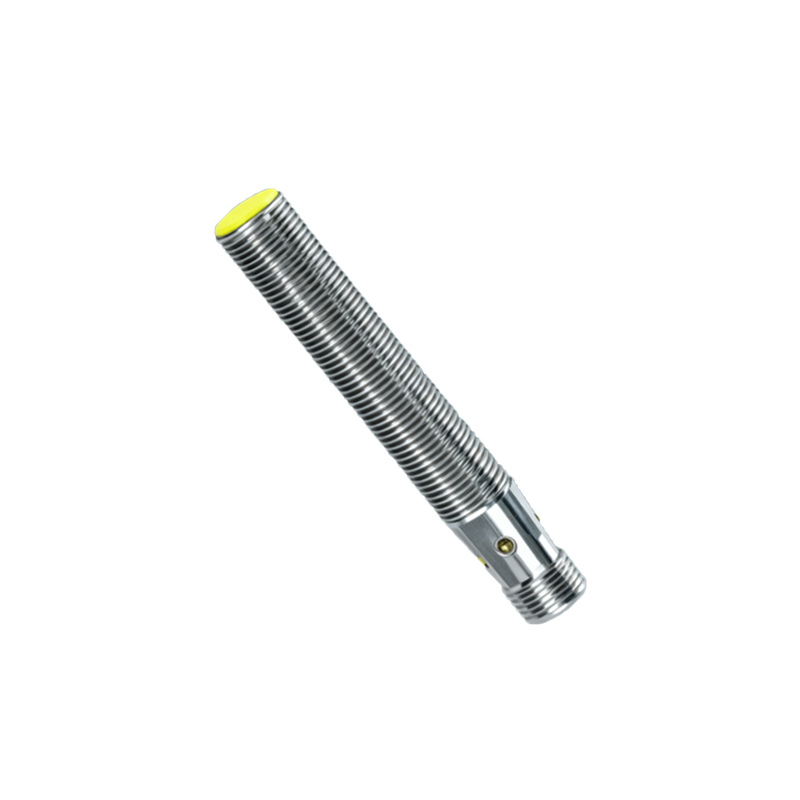
Key Advantages: Their primary strength lies in exceptional sensitivity and the ability to detect very small objects, including thin foils, fine wires, or tiny metal components that lower-frequency models might miss. They also offer faster response times, making them ideal for high-speed counting or positioning applications. The sensing field is more concentrated, which can improve resolution and reduce the likelihood of side or background interference from adjacent metallic structures.
Typical Applications: These sensors excel in precision manufacturing, such as in electronics assembly for detecting miniature components, high-speed packaging lines for counting small items, and applications involving non-ferrous metals like aluminum, copper, or brass, which are generally more challenging to detect at lower frequencies.
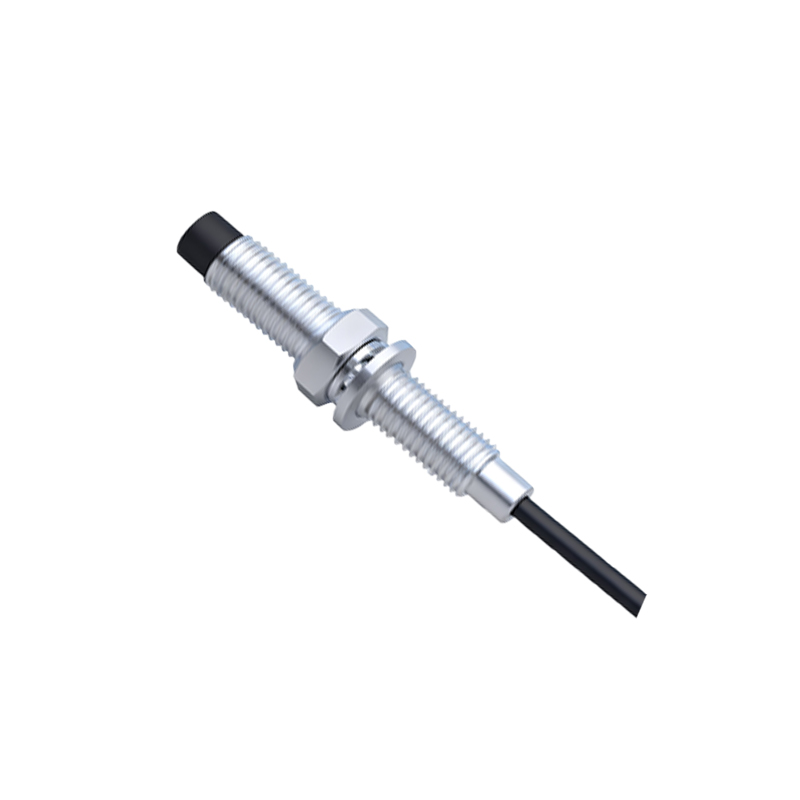
Low-Frequency Proximity Sensors:
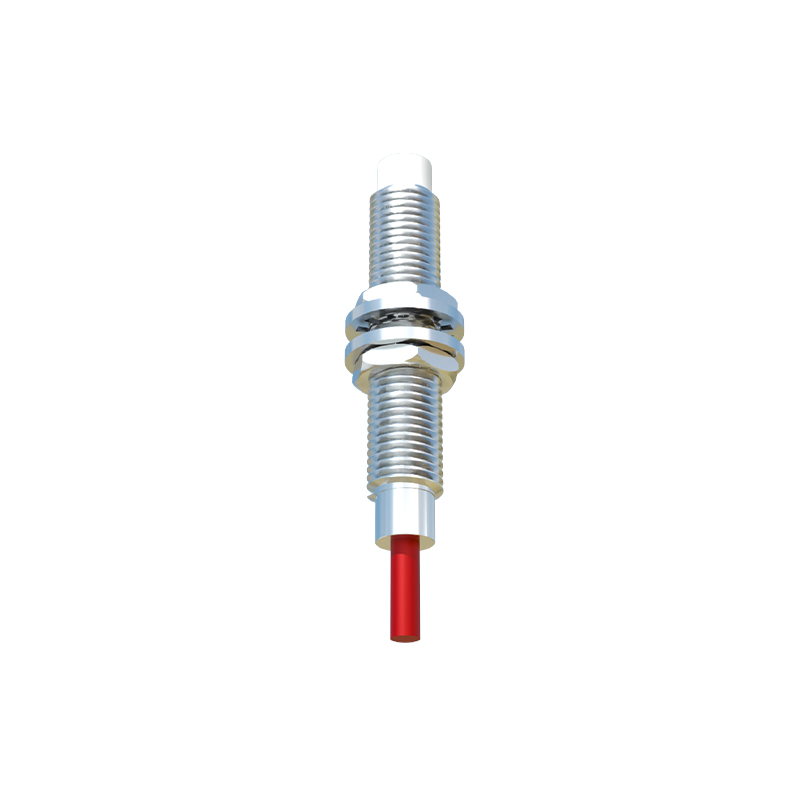
Low-frequency models operate at significantly lower oscillation frequencies, often below 100 kHz. This generates a broader, more penetrating electromagnetic field.
Key Advantages: The most significant benefit of low-frequency sensors is their reduced susceptibility to interference from other electromagnetic sources. In environments rich with electrical noise—such as those near variable frequency drives (VFDs), welding equipment, or large motors—low-frequency sensors provide superior stability and reliability. They are less prone to false triggering caused by such ambient interference. Additionally, their sensing field can sometimes penetrate certain non-metallic materials (like thin plastics) to detect a metal target behind them.
Typical Applications: They are the preferred choice in harsh industrial environments. Common uses include heavy machinery, automotive manufacturing lines, metal stamping presses, and any setting where robust performance amidst electrical noise is paramount. They are also suitable for detecting larger ferrous metal objects where extreme sensitivity is not required.
Critical Selection Criteria:
Choosing between high-frequency and low-frequency is not merely a performance preference but a necessity for system robustness. Key considerations include:
1. Target Material and Size: Small or non-ferrous targets demand high-frequency sensitivity. Larger steel objects can be reliably detected with low-frequency units.
2. Operating Environment: Electrically noisy environments almost always necessitate low-frequency sensors to ensure signal integrity and avoid nuisance trips.
3. Required Sensing Distance and Speed: High-frequency sensors generally enable faster response for rapid processes, though their sensing distance for a given housing size may be slightly less than a low-frequency equivalent for ferrous metals.
4. Installation Constraints: In dense mounting arrangements, the focused field of a high-frequency sensor can prevent crosstalk between adjacent sensors. However, if mounted on or near a metal surface (ground-sensing), low-frequency sensors often perform better.
A crucial, often overlooked, aspect is mutual interference. Installing two identical high-frequency inductive sensors too close together can cause their oscillating fields to interact, leading to mutual interference, where one sensor affects the other's detection capability. Manufacturers specify minimum separation distances to avoid this. Low-frequency sensors, due to their different operating characteristics, can sometimes be mounted closer together or can be used in mixed installations with high-frequency sensors to mitigate this issue—a technique known as "frequency multiplexing."
In conclusion, there is no universal "best" choice. High-frequency proximity sensors are the precision tools for demanding, high-speed, and sensitive detection tasks. Low-frequency proximity sensors are the rugged workhorses designed for reliability in electromagnetically challenging conditions. A thorough analysis of the target, environment, and performance requirements is essential. Consulting sensor datasheets for specific frequency specifications, immunity ratings, and installation guidelines is a mandatory step for engineers to design a reliable, efficient, and interference-free automation system. The correct selection ensures not only operational accuracy but also contributes to the overall longevity and maintenance-free operation of the production line.