Proximity switch speed sensors are critical components in modern industrial automation, providing non-contact detection and precise rotational speed measurement for machinery and equipment. These sensors operate on the principle of electromagnetic induction or capacitive sensing, detecting the presence or absence of a metallic target—such as a gear tooth, keyway, or bolt head—without physical contact. This non-contact nature ensures minimal wear, high reliability, and long service life, even in harsh environments with dust, moisture, or vibration.
In industrial settings, proximity sensors are commonly used to monitor the speed of rotating shafts, conveyor belts, and motors. When a target passes near the sensor's sensing face, it triggers a signal pulse. By counting these pulses over a specific time interval, the rotational speed (in RPM) or linear speed can be accurately calculated. This data is essential for process control, safety monitoring, and predictive maintenance. For instance, in conveyor systems, speed sensors help maintain consistent material flow, while in motor drives, they enable closed-loop speed control to optimize energy efficiency.
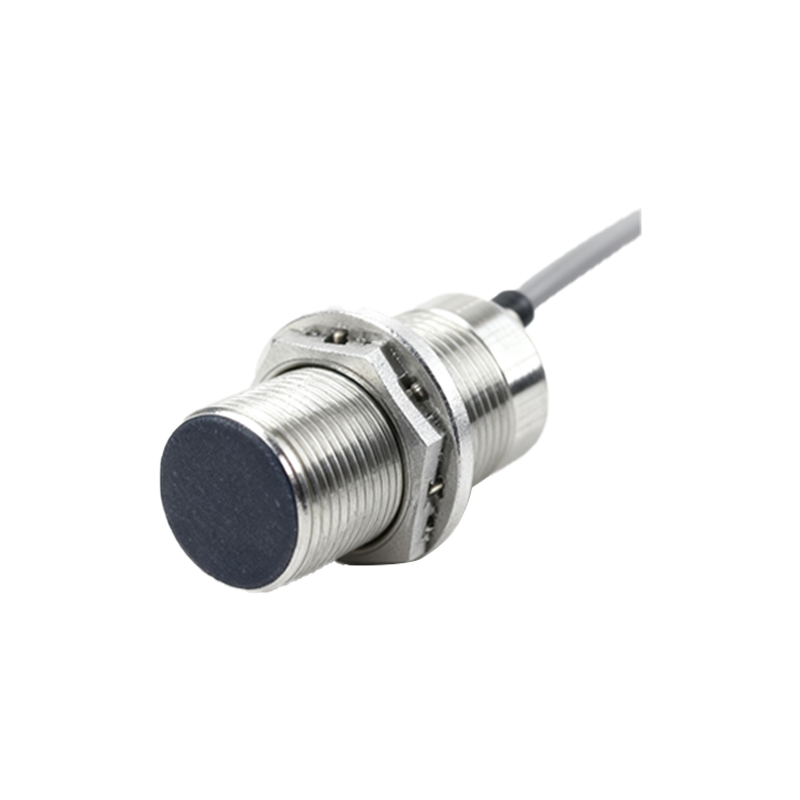
There are several types of proximity switches used for speed sensing, including inductive, capacitive, and magnetic variants. Inductive proximity sensors are the most widely used for metallic targets, generating an electromagnetic field that detects ferrous and non-ferrous metals. Capacitive sensors can detect both metallic and non-metallic materials, making them versatile for diverse applications. Magnetic proximity sensors, often employing Hall-effect or magnetoresistive elements, are ideal for detecting permanent magnets or magnetic encoders. Each type has distinct advantages in terms of sensing range, response time, and environmental robustness.
Key performance parameters for proximity speed sensors include sensing distance, repeat accuracy, response frequency, and temperature tolerance. High-quality sensors offer sensing distances from a few millimeters to several tens of millimeters, with repeatability within microns. Response frequencies can exceed 10 kHz, allowing accurate measurement of high-speed rotations. Industrial-grade sensors are typically housed in rugged metal or polymer casings with IP67 or higher ingress protection, ensuring operation in temperatures from -25°C to 85°C or wider ranges.
Installation and alignment are crucial for optimal performance. The sensor must be mounted securely to minimize vibration-induced errors, and the gap between the sensor and target should be set within the specified sensing range. Proper shielding and cable routing are necessary to prevent electromagnetic interference from motors or frequency drives. Additionally, sensor output signals—such as NPN/PNP transistor, analog voltage, or pulse trains—must be compatible with the connected PLC, controller, or data acquisition system.
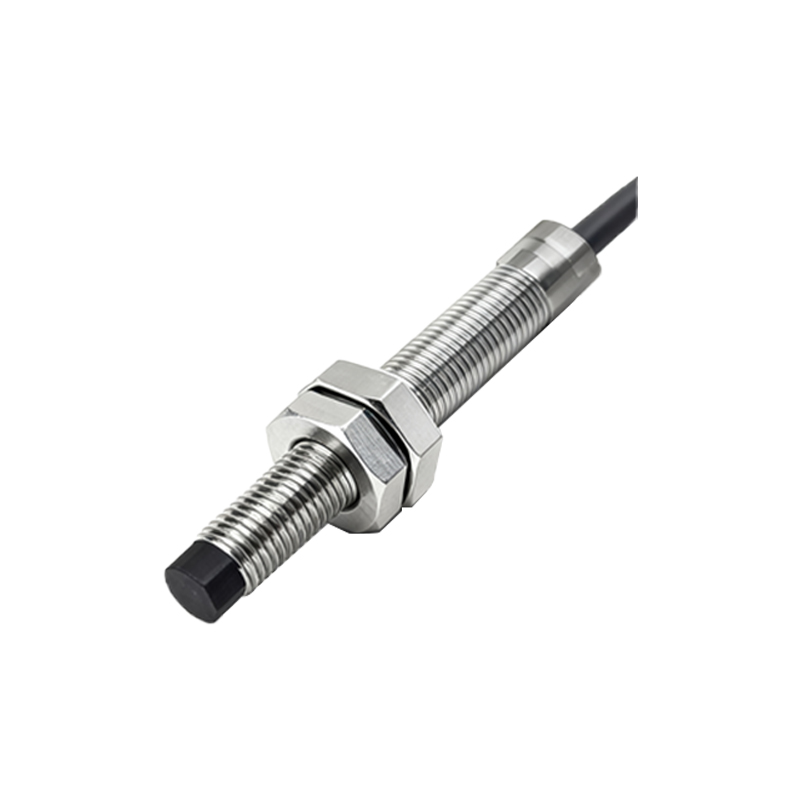
Applications span across industries like automotive manufacturing, food processing, packaging, and heavy machinery. In automotive assembly lines, proximity sensors monitor engine crankshaft speed for timing control. In food processing, stainless steel capacitive sensors detect bottle caps on filling lines. For wind turbines, magnetic sensors track blade rotation to prevent overspeed conditions. Advanced sensors now integrate diagnostic features like IO-Link communication, enabling real-time monitoring of sensor health and predictive maintenance alerts.
Despite their robustness, proximity speed sensors face challenges such as target material variations, extreme temperatures, and electrical noise. Engineers must select sensors with appropriate specifications and perform regular calibration. Future trends include miniaturization, higher frequency responses for ultra-high-speed applications, and enhanced smart capabilities with IoT connectivity for Industry 4.0 integration.
In summary, proximity switch speed sensors are indispensable for industrial automation, offering reliable, non-contact speed measurement that enhances operational efficiency, safety, and equipment longevity. Their continued evolution supports smarter, more connected manufacturing environments.