In the rapidly evolving world of industrial automation and smart systems, the demand for proximity sensors has surged to unprecedented levels. These critical components, which detect the presence or absence of objects without physical contact, are the unsung heroes behind efficient manufacturing lines, advanced robotics, and intelligent infrastructure. Supplying them on a large scale, however, presents a complex set of challenges and opportunities that define the current market dynamics.
The core of large-scale supply hinges on manufacturing scalability and consistency. Proximity sensors come in various technologies—inductive, capacitive, ultrasonic, and photoelectric—each with distinct applications and production requirements. Inductive sensors, for instance, are staples in metal detection for automotive assembly, requiring robust designs and electromagnetic compatibility. Capacitive sensors, used in liquid level detection or material handling, demand precise calibration. To meet bulk orders, suppliers must optimize production lines for high-volume output while maintaining stringent quality control. This often involves automated assembly processes, rigorous testing protocols, and lean manufacturing principles to minimize waste and cost. The shift toward Industry 4.0 has further pushed suppliers to integrate IoT capabilities, enabling sensors with data communication features for predictive maintenance, which adds another layer of complexity to mass production.
Supply chain resilience is another pivotal factor. The global nature of electronics manufacturing means that proximity sensor suppliers rely on a network of raw material providers, component manufacturers, and logistics partners. Disruptions, such as semiconductor shortages or geopolitical tensions, can ripple through the supply chain, causing delays and price volatility. To mitigate these risks, leading suppliers are diversifying their sourcing strategies, investing in regional manufacturing hubs, and building strategic inventories. For example, establishing production facilities in multiple continents not only reduces dependency on single regions but also allows for faster delivery to local markets, enhancing responsiveness to client needs.
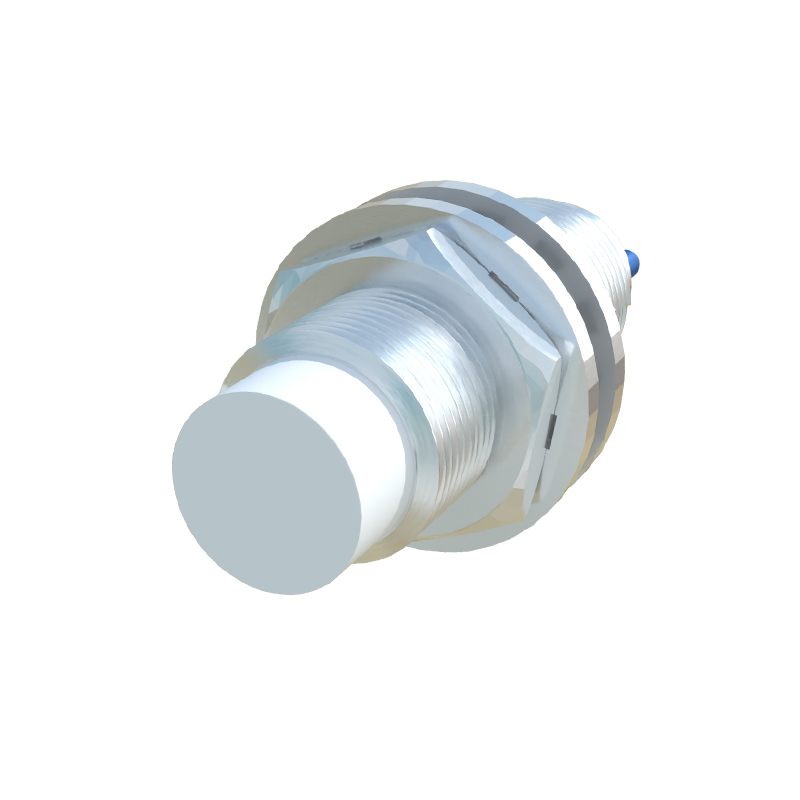
From a technical standpoint, the trend toward miniaturization and enhanced performance drives innovation in large-scale supply. Modern proximity sensors are expected to be smaller, more energy-efficient, and capable of operating in harsh environments with extreme temperatures or contaminants. Suppliers must balance these advanced specifications with cost-effectiveness for bulk applications. This requires continuous R&D investment in materials science and sensor technology. Collaborations with end-users, such as automotive OEMs or consumer electronics giants, are common to co-develop customized solutions that meet specific application demands while ensuring manufacturability at scale.
The market for proximity sensors is also influenced by regulatory standards and sustainability concerns. Compliance with international norms like IEC 60947-5-2 for industrial sensors or RoHS directives for hazardous substances is non-negotiable in large-scale supply. Suppliers must ensure that every unit adheres to these regulations, which involves thorough documentation and testing. Additionally, there is growing pressure to adopt eco-friendly practices, from using recyclable materials in sensor housings to reducing carbon footprints in logistics. Companies that prioritize green manufacturing are not only meeting regulatory requirements but also appealing to environmentally conscious clients, gaining a competitive edge in procurement decisions.
In conclusion, supplying proximity sensors on a large scale is a multifaceted endeavor that blends engineering precision with strategic logistics. It demands a deep understanding of technological trends, supply chain agility, and market demands. As industries worldwide continue to automate and digitize, the role of reliable, high-volume sensor suppliers will only become more critical. Those who master the art of scalable production while innovating for the future are poised to lead this dynamic sector, powering the next wave of industrial transformation with every sensor delivered.