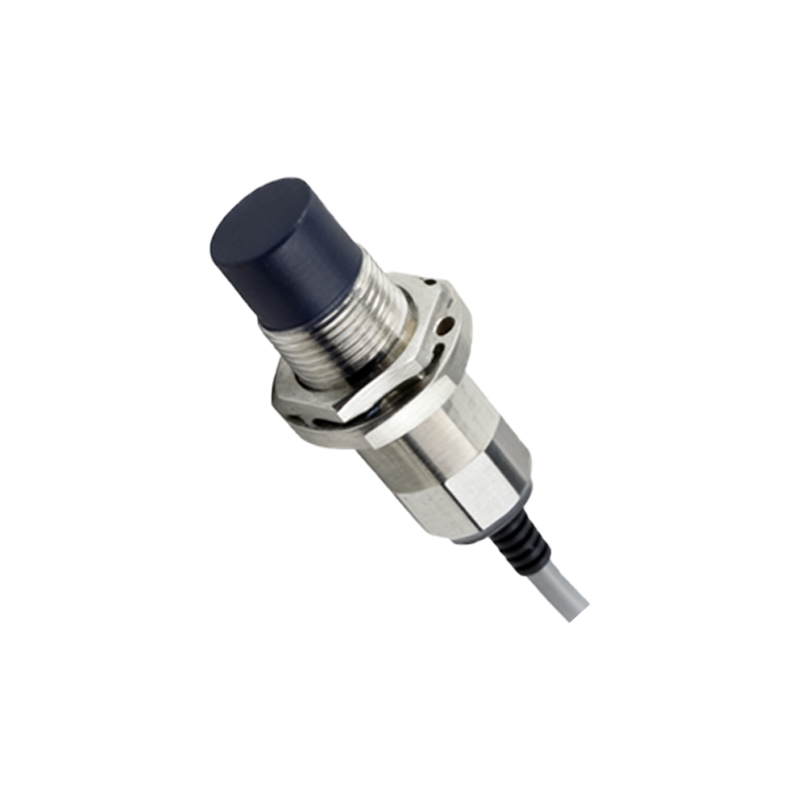
In the realm of industrial automation, proximity switches and wireless sensors stand as pivotal components, driving efficiency, safety, and innovation. These devices, often operating behind the scenes, are fundamental to modern manufacturing, logistics, and process control systems. This article delves into their principles, applications, and the transformative impact of wireless technology on sensor networks.
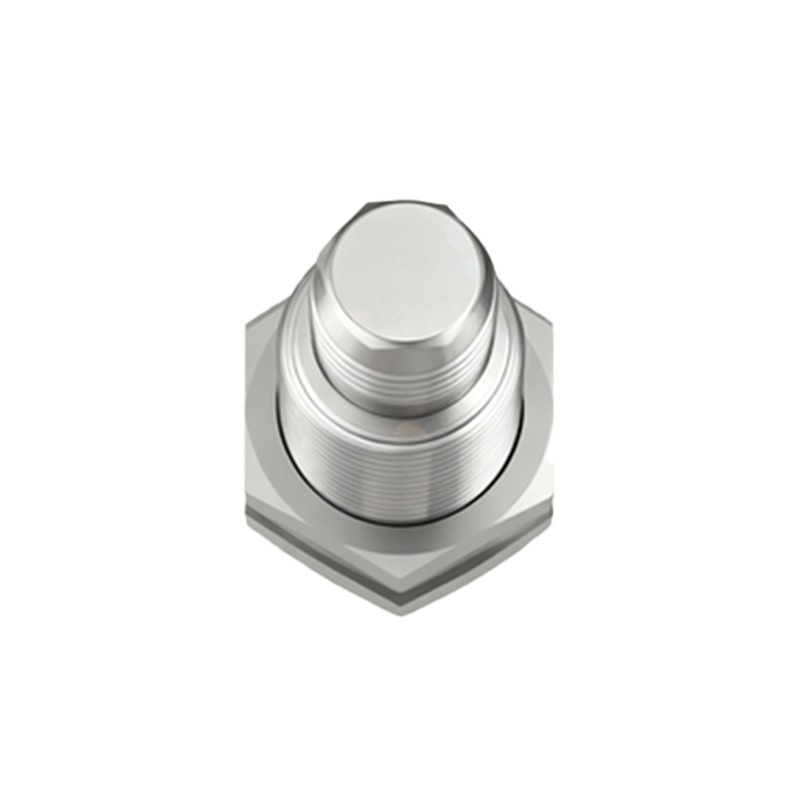
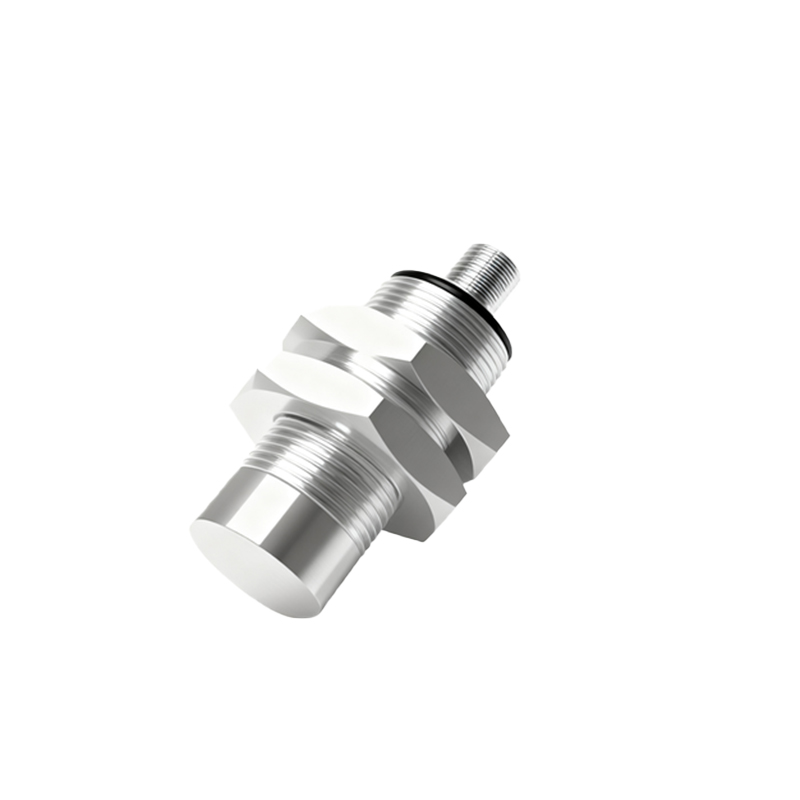
Proximity switches, also known as proximity sensors, are non-contact devices that detect the presence or absence of an object within a specified range. They operate based on various principles, including inductive, capacitive, ultrasonic, and photoelectric methods. Inductive proximity switches, for instance, generate an electromagnetic field to detect metallic objects, making them ideal for harsh environments where dust, oil, or moisture is present. Capacitive variants can sense both metallic and non-metallic materials by measuring changes in capacitance, useful in liquid level detection or plastic handling. These switches offer high reliability, fast response times, and durability, reducing mechanical wear compared to traditional contact-based switches. Common applications include position sensing in conveyor systems, part counting in assembly lines, and safety interlocks in machinery.
Wireless sensors, on the other hand, represent a leap forward in sensor technology by eliminating the need for physical wiring. They integrate sensing elements with wireless communication modules, such as Wi-Fi, Bluetooth, Zigbee, or LoRa, to transmit data to control systems or cloud platforms. This wireless capability brings numerous advantages: reduced installation costs, as no cabling is required; enhanced flexibility, allowing sensors to be deployed in remote or moving parts of equipment; and scalability, enabling easy expansion of sensor networks. In industrial settings, wireless sensors can monitor parameters like temperature, pressure, vibration, or humidity, facilitating predictive maintenance and real-time analytics. For example, a wireless vibration sensor on a motor can detect anomalies early, preventing costly downtime and extending equipment life.
The convergence of proximity switches and wireless technology is reshaping industrial automation. Wireless proximity sensors combine the detection capabilities of traditional switches with wireless transmission, enabling seamless integration into Internet of Things (IoT) ecosystems. These sensors can communicate with programmable logic controllers (PLCs) or supervisory control and data acquisition (SCADA) systems over wireless networks, supporting Industry 4.0 initiatives. Key benefits include improved data accessibility, as information can be accessed remotely via dashboards; enhanced energy efficiency, with many wireless sensors powered by batteries or energy harvesting; and greater adaptability to dynamic production environments. Industries such as automotive, pharmaceuticals, and food processing are increasingly adopting these solutions for smart factory applications.
However, challenges persist in deploying wireless sensors, including concerns over signal interference, security vulnerabilities, and power management. To address these, engineers must consider factors like network topology, encryption protocols, and low-power design. Standards like IEEE 802.15.4 for wireless personal area networks and advancements in edge computing are helping to mitigate these issues, ensuring robust and secure operations.
In conclusion, proximity switches and wireless sensors are indispensable tools in the electrical and automation sectors. Their evolution from wired to wireless systems underscores a broader trend toward interconnected, intelligent industrial environments. As technology advances, these devices will continue to enhance operational efficiency, reduce costs, and pave the way for innovative applications in robotics, autonomous systems, and beyond. For engineers and industry professionals, staying abreast of these developments is crucial to leveraging their full potential in driving future growth.