Proximity sensors are indispensable components in modern industrial automation, offering non-contact detection of objects without physical interaction. Their ability to operate reliably in harsh environments—such as those with dust, moisture, or extreme temperatures—makes them a preferred choice across numerous sectors. This article explores the key applications and optimal placement of proximity sensors, providing insights for engineers and technicians seeking to enhance system efficiency and safety.
In manufacturing and assembly lines, proximity sensors are primarily deployed for object detection and positioning. For instance, in automotive production, they verify the presence of components like engine parts or bolts, ensuring precise alignment before welding or fastening processes. Similarly, in packaging machinery, sensors detect the position of items on conveyor belts, triggering actuators to sort, fill, or seal packages accurately. Their fast response time—often in milliseconds—minimizes downtime and reduces material waste, contributing to lean manufacturing goals.
Another critical application lies in material handling and logistics. Proximity sensors monitor the movement of pallets, crates, or robotic carriers in warehouses, preventing collisions and optimizing storage retrieval systems. In automated guided vehicles (AGVs), sensors help navigate pathways by detecting magnetic or optical guides, while in elevator systems, they ensure doors open or close safely by sensing obstructions. These uses highlight the sensor’s role in enhancing operational safety and throughput.
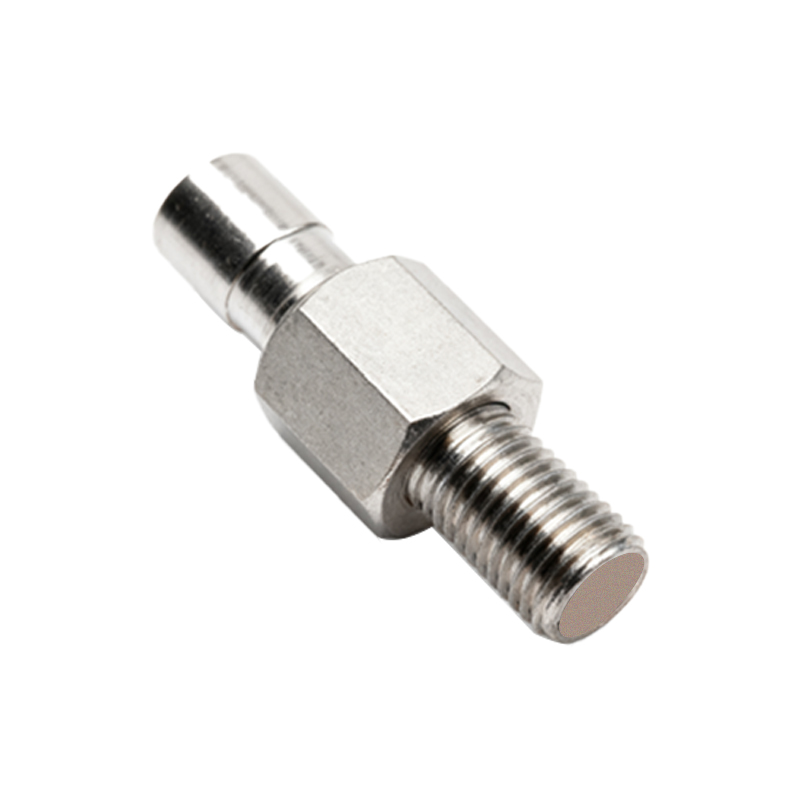
The metalworking and machining industries rely heavily on inductive proximity sensors, which detect ferrous and non-ferrous metals. In CNC machines, sensors monitor tool wear or breakage by sensing the proximity of cutting tools to workpieces, alerting operators to potential failures. They also control spindle positioning and automate part loading, reducing manual intervention. For non-metallic materials, capacitive sensors are employed in woodworking or plastic molding to detect levels of liquids or granules in hoppers, ensuring consistent material supply.
Proximity sensors also play a vital role in safety systems. In hazardous areas like press brakes or robotic cells, they act as guards by detecting human intrusion and triggering emergency stops. This aligns with international standards such as ISO 13849, which mandates risk reduction through reliable sensing technology. Additionally, in the energy sector, sensors monitor turbine blade positions in wind farms or detect fluid levels in pipelines, preventing leaks and equipment damage.
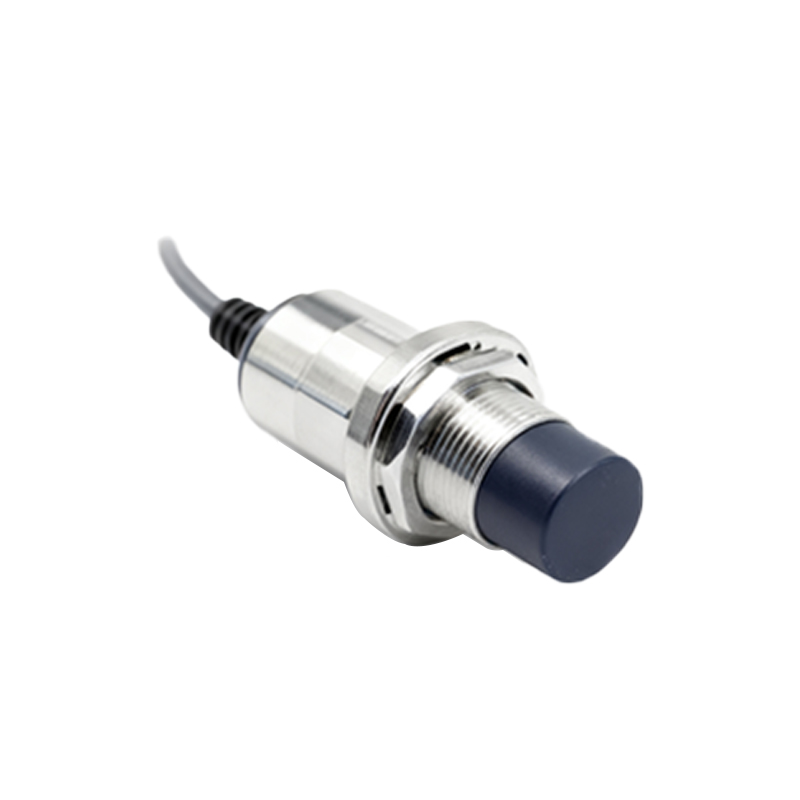
When selecting installation points, consider environmental factors like temperature ranges, electrical noise, and target material. For example, in high-vibration settings (e.g., mining equipment), ruggedized sensors with robust housings are mounted away from direct impact zones. In food processing, stainless-steel sensors resistant to corrosion and washdowns are placed near conveyors to detect product flow without contaminating goods. Proper calibration—adjusting sensing distance and sensitivity—is crucial to avoid false triggers, especially in applications involving small or fast-moving objects.
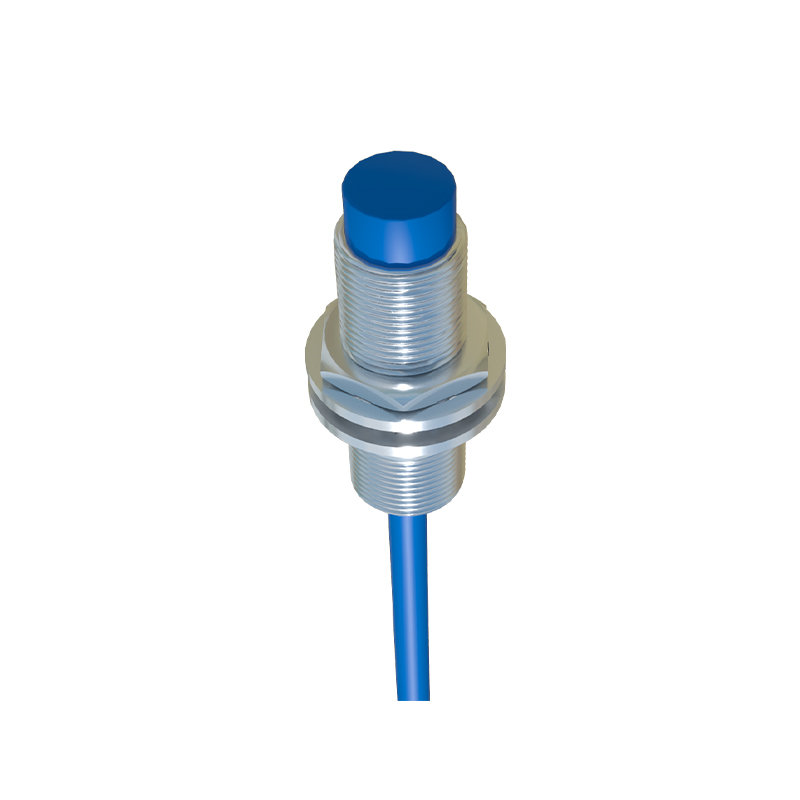
Emerging trends, such as Industry 4.0, integrate proximity sensors with IoT platforms for predictive maintenance. By transmitting real-time data on sensor health and detection counts, these systems forecast failures before they occur, minimizing unplanned outages. For instance, a sensor in a bottling plant might alert managers to declining performance due to coating buildup, prompting timely cleaning.
In summary, proximity sensors are versatile tools that optimize automation across manufacturing, logistics, safety, and beyond. Their strategic placement—tailored to operational needs and environmental conditions—ensures longevity and accuracy. As industries evolve toward smarter factories, these sensors will continue to be foundational elements in driving efficiency and innovation. Engineers should prioritize regular testing and adhere to manufacturer guidelines to maximize sensor lifecycle and ROI.