In the dynamic and demanding environment of modern material handling, forklifts are indispensable workhorses. Their efficiency and safety are paramount, directly impacting operational productivity and workplace well-being. Among the myriad of technological components that elevate forklift performance, proximity sensors stand out as critical, yet often underappreciated, elements. These sophisticated devices act as the vehicle's electronic "eyes" and "feelers," providing essential data to prevent collisions, optimize handling, and enhance overall operational intelligence.
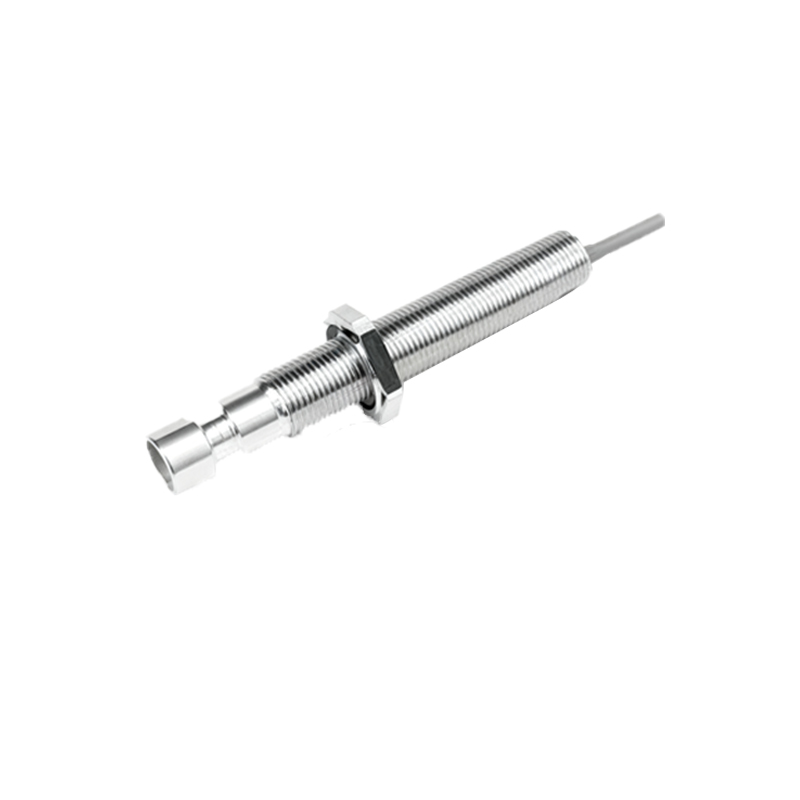
At its core, a proximity sensor on a forklift is a non-contact device designed to detect the presence or absence of nearby objects within a defined range. Unlike physical bumpers or manual spotting, these sensors offer a proactive safety mechanism. They operate on various principles, with inductive and ultrasonic sensors being the most prevalent in industrial applications. Inductive sensors excel in detecting metallic objects, making them ideal for warehouse racking, other machinery, or metal containers. Ultrasonic sensors, on the other hand, use sound waves to detect a wider variety of materials, including pallets, walls, and even personnel, providing a more versatile detection field.
The primary function of these sensors is collision avoidance. Forklifts operate in tight aisles, crowded docks, and complex storage layouts. A proximity sensor system, often integrated into the vehicle's control unit, continuously monitors the surroundings. When an object enters a predefined warning zone, the system can trigger audible alarms or visual indicators to alert the operator. If the object moves into a critical danger zone, the system can initiate automatic slowdowns or even apply controlled braking, preventing costly impacts that damage goods, infrastructure, or the forklift itself. This is particularly crucial for the rear of the vehicle, creating a virtual safety buffer in the operator's blind spots.
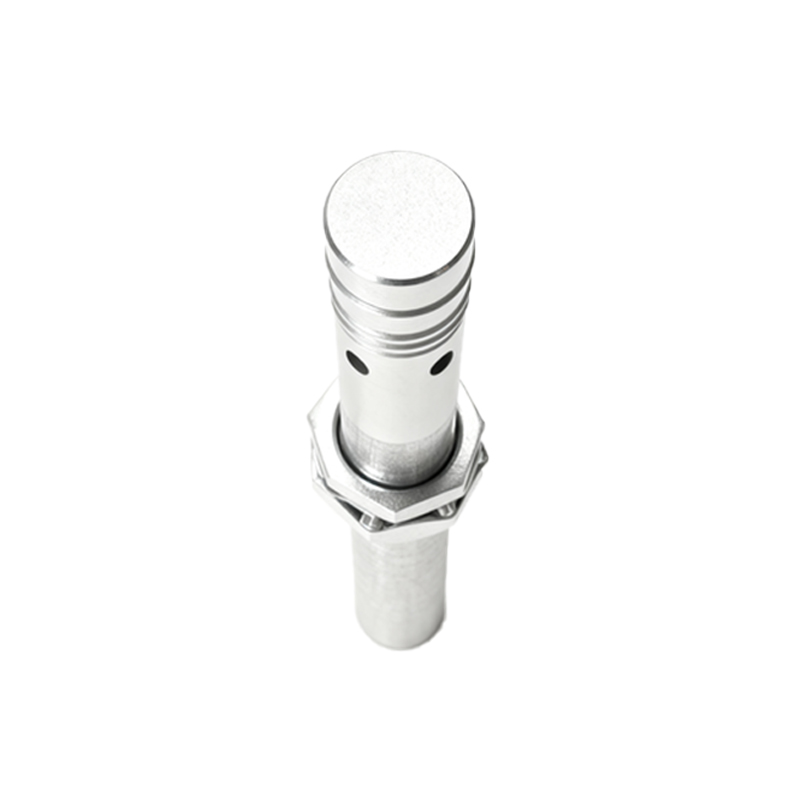
Beyond basic obstacle detection, advanced proximity sensing plays a pivotal role in precision handling. For instance, sensors can accurately gauge the distance to a storage rack face, assisting the operator in perfectly aligning the forks for load insertion or retrieval without manual trial and error. This not only speeds up cycle times but also minimizes wear and tear on racking and the forklift. In automated guided forklifts (AGFs), proximity sensors are fundamental to navigation and load manipulation, allowing for fully automated pallet pickup and placement with millimeter accuracy.
Integration with other systems amplifies their value. Proximity sensors feed data into the forklift's telematics or fleet management system. This data provides insights into near-miss events, highlighting recurring high-risk areas in a facility. Managers can use this information for targeted training, layout redesign, or process improvement. Furthermore, sensor status can be monitored remotely, enabling predictive maintenance—alerting technicians to sensor degradation or misalignment before a failure occurs, thus avoiding unscheduled downtime.
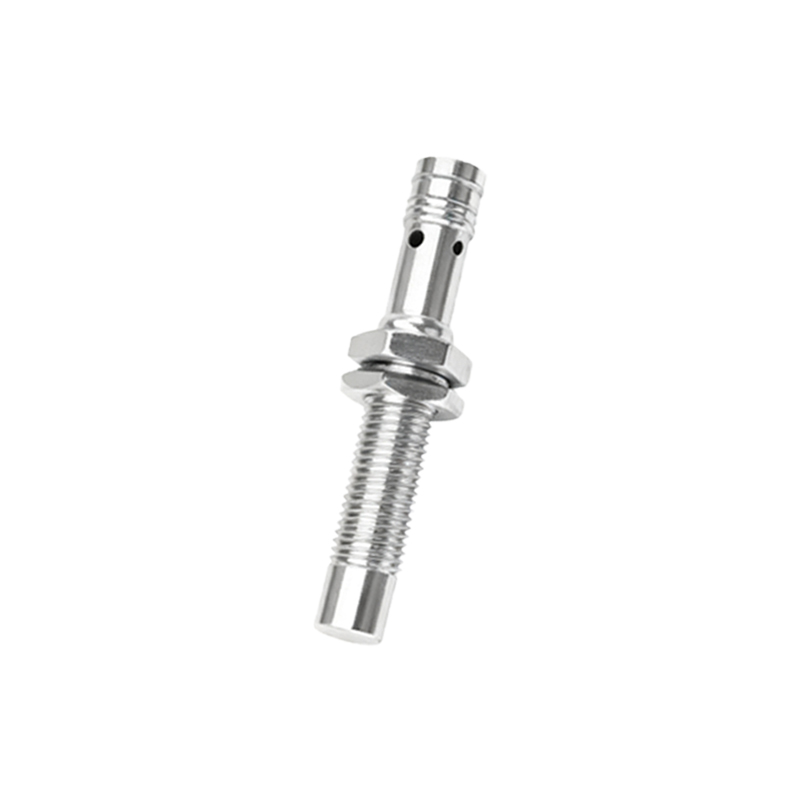
The benefits are clear: enhanced safety through reduced accident rates, increased efficiency via faster and more precise operations, and lower operational costs by preventing damage and enabling predictive maintenance. When selecting proximity sensors for a forklift application, factors such as detection range, response time, environmental resilience (to dust, moisture, and temperature fluctuations), and immunity to electrical noise must be carefully considered to ensure reliable performance in harsh industrial settings.
In conclusion, proximity sensors are far more than simple warning devices. They are integral components of an intelligent forklift system, transforming reactive operations into proactive, data-driven workflows. By creating a safer and more responsive interaction between the machine, its load, and its environment, these sensors are fundamental to achieving the next level of efficiency and safety in material handling. Their silent, constant vigilance is a cornerstone of modern, high-performance warehouse and logistics operations.