In the realm of industrial automation and control systems, proximity sensors are indispensable components for non-contact detection of objects. Their reliable operation is fundamentally tied to one critical parameter: the power supply voltage. As an electrical engineer with years of field experience, I've observed that a significant portion of sensor malfunctions can be traced back to improper voltage supply. This article delves into the intricacies of powering proximity sensors, covering specifications, selection criteria, and practical considerations to ensure optimal performance and longevity.
Proximity sensors, including inductive, capacitive, and photoelectric types, are typically designed to operate within a specified DC or AC voltage range. The most common DC voltage ratings are 10-30 VDC, with 12 VDC and 24 VDC being industry standards. AC-powered sensors often operate at 20-250 VAC, with 120 VAC and 240 VAC being prevalent. It is paramount to consult the sensor's datasheet for its exact nominal voltage (e.g., 24 VDC) and the permissible operating range (e.g., 10-30 VDC). Operating outside this range can lead to erratic behavior, reduced sensing distance, or permanent damage.
Selecting the appropriate power supply involves more than just matching voltage numbers. First, consider the voltage tolerance and stability of your power source. Industrial environments are prone to voltage sags, surges, and electrical noise. A regulated power supply with adequate filtering is essential to maintain voltage within the sensor's tolerance, typically ±10% of the nominal value. For a 24 VDC sensor, this means maintaining a steady voltage between 21.6 VDC and 26.4 VDC. Unregulated supplies or long cable runs can cause voltage drops that push the supply below the minimum threshold.
Current consumption is the next critical factor. Each sensor draws a certain amount of quiescent current. The power supply must be capable of delivering the total current required by all connected sensors, plus a safety margin (usually 20-30%). Undersizing the power supply leads to voltage droop, affecting all connected devices. Remember to account for inrush current, which can be significantly higher during power-up, especially for sensors with built-in surge protection or output indicators.
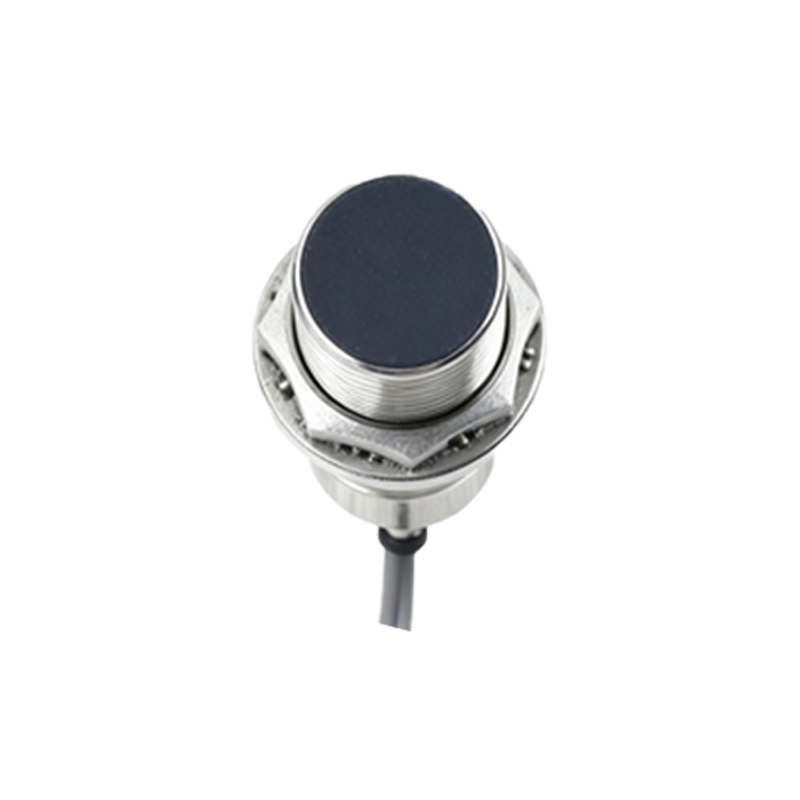
Wiring and grounding practices directly impact the effective voltage at the sensor terminals. Use conductors of sufficient gauge to minimize voltage drop over distance. For DC sensors, strict attention to polarity is non-negotiable; reverse polarity can instantly destroy the device. Implement proper shielding and grounding techniques to mitigate electromagnetic interference (EMI), which can induce noise on the power lines and cause false triggering. In harsh environments, consider using isolated power supplies or signal conditioners to break ground loops and protect sensors from transient voltages.
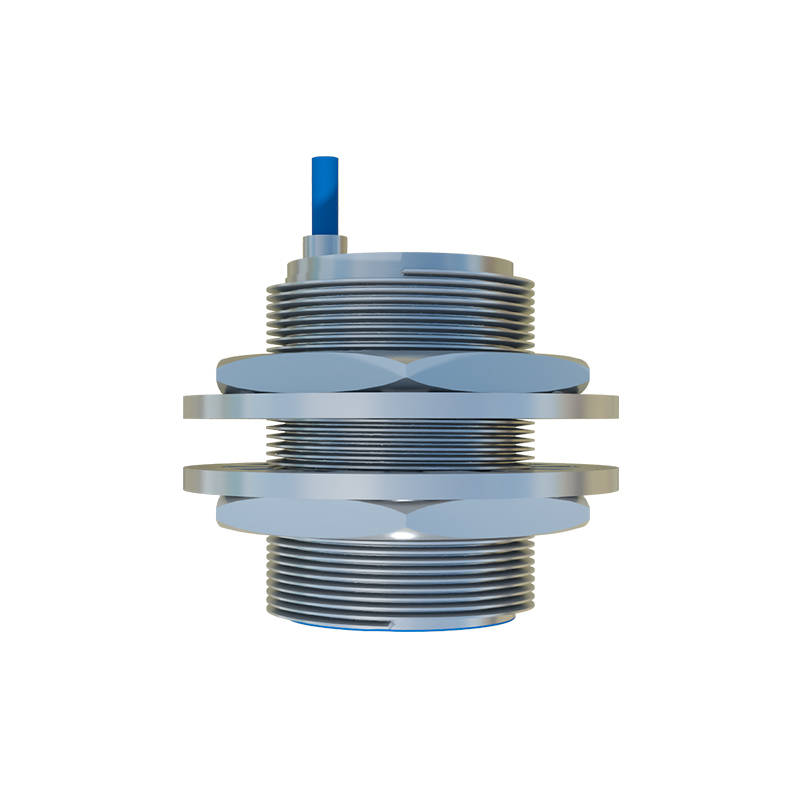
The interaction between the sensor's output type and the power supply is often overlooked. Two-wire sensors are connected in series with the load and the power supply, meaning the load current flows through the sensor. The voltage drop across the sensor (typically 2-4 V) must be subtracted from the supply voltage to ensure the load receives sufficient voltage to operate. Three-wire and four-wire sensors have separate power and signal wires, simplifying the power design but requiring a common reference (0V). Always verify the compatibility of the sensor's output circuit (PNP sinking or NPN sourcing) with your control system's input requirements relative to the power supply common.
For systems utilizing both AC and DC sensors, or sensors with different voltage ratings, never attempt to power them from a single incompatible source. Use separate, correctly rated power supplies or multi-tap transformers. Incorporating protective devices such as fuses, circuit breakers, or electronic current limiters on the supply line is a best practice. They safeguard the sensor and the supply from short circuits or overloads.
Finally, consider the long-term reliability. Power supplies degrade over time. Regular maintenance should include checking the output voltage of power supplies under load. Monitor for any signs of overheating or instability. Investing in a high-quality, industrial-grade power supply with appropriate protection features (over-voltage, over-current, short-circuit) pays dividends in reduced downtime and sensor replacement costs.
In conclusion, treating the power supply as an integral part of your sensor system design, rather than an afterthought, is key to achieving robust and fail-safe operation. By meticulously matching voltage and current specifications, accounting for environmental factors, and adhering to sound electrical installation principles, engineers can ensure their proximity sensing applications perform reliably for years to come.