In the realm of industrial automation and control systems, proximity sensors are indispensable components. Among the various types, photoelectric sensors, often referred to as optical or light-based proximity sensors, stand out for their versatility, precision, and non-contact operation. This article delves into the fundamental principles, types, applications, and selection criteria for photoelectric sensors, providing a thorough understanding for engineers and technicians.
At its core, a photoelectric proximity sensor operates by emitting a beam of light (visible, infrared, or laser) and detecting changes in the received light signal caused by the presence or absence of a target object. The basic components include an emitter (light source), a receiver (photodetector), and associated control circuitry. The sensor's operation hinges on the principle that the light beam is either reflected, interrupted, or retro-reflected by the target.
There are three primary operating modes for photoelectric sensors:
1. Through-Beam (Opposed Mode): This configuration consists of separate, opposing units for the emitter and receiver. The emitter projects a continuous beam of light to the receiver. An object is detected when it interrupts this beam. This mode offers the longest sensing ranges and highest reliability, as it is less affected by the target's color, reflectivity, or surface finish. It is ideal for precise detection and counting applications.
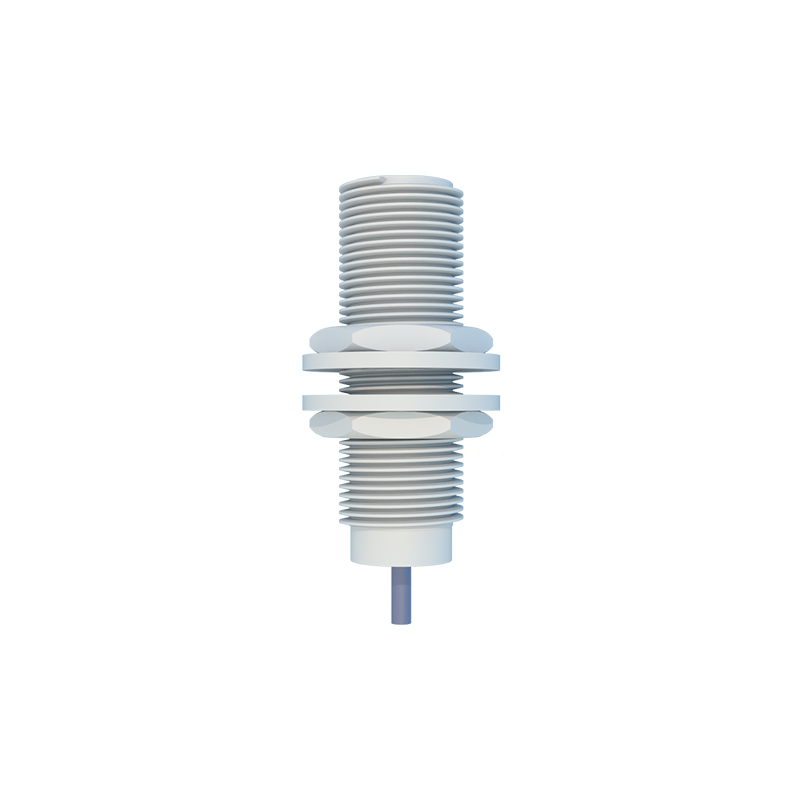
2. Retro-Reflective Mode: Here, both the emitter and receiver are housed in a single unit. The sensor emits light towards a specially designed reflector (corner-cube reflector), which bounces the beam directly back to the receiver. Detection occurs when an object breaks the light path between the sensor and the reflector. This mode provides a good sensing range and simplifies installation compared to through-beam sensors, as wiring is only required at one point.
3. Diffuse (Proximity) Mode: In this most common "proximity" style, the emitter and receiver are also in one housing. The sensor detects an object when the emitted light reflects off the target's surface and scatters back to the receiver. The effective sensing distance depends heavily on the target's size, color, and surface texture (light, smooth surfaces reflect better than dark, rough ones). Advanced diffuse sensors use background suppression or fixed-field teaching to minimize the effect of background objects.
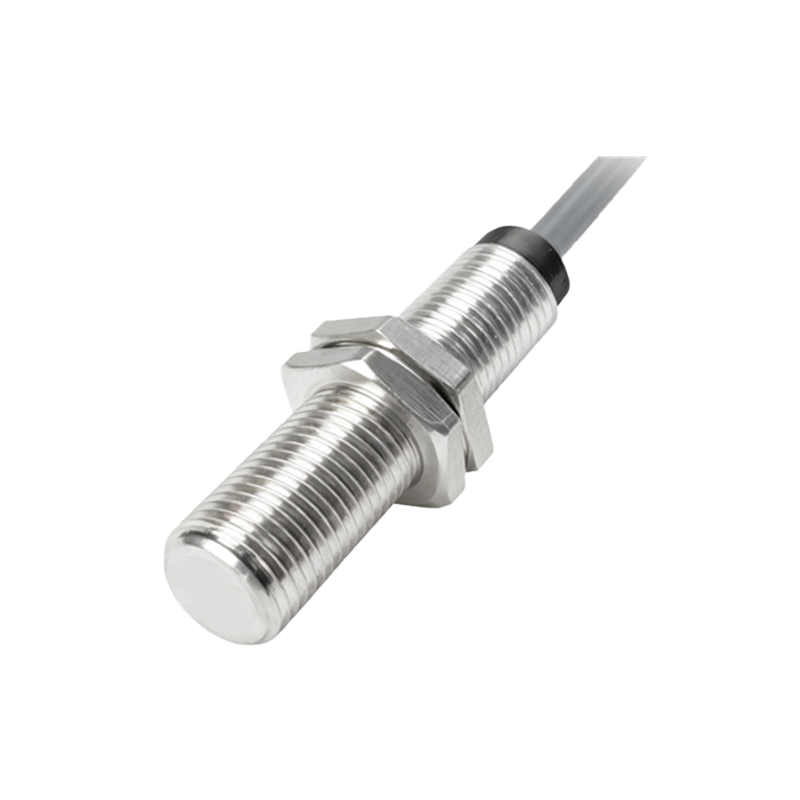
Key performance specifications for selecting a photoelectric sensor include:
Sensing Range: The maximum distance at which a standard target can be reliably detected.
Response Time: The speed at which the sensor can detect an object and change its output state.
Light Source: Common types are LED (for visible red, infrared) and laser diode. Lasers offer highly focused beams for precise detection of small objects.
Output Type: Digital outputs (PNP/NPN transistor) are standard, with analog outputs available for distance measurement.
Environmental Robustness: Ratings for Ingress Protection (IP), temperature, and resistance to chemicals or vibration are critical for harsh industrial environments.
Applications for photoelectric sensors are vast. They are used for object detection on conveyor lines, bottle/can counting in packaging, jam detection in machinery, edge guiding in web processing, level detection in silos, and door position sensing in elevators. Their non-contact nature prevents wear and tear, making them suitable for high-speed operations and delicate objects.
When integrating a photoelectric sensor, consider factors such as the target material and color, required sensing distance, ambient light conditions (sunlight or other light sources can interfere), mounting constraints, and the required output signal. Proper alignment, especially for through-beam and retro-reflective types, is crucial for reliable operation. Regular maintenance, such as cleaning the lens from dust or debris, ensures long-term performance.
In conclusion, photoelectric proximity sensors are a critical technology enabling automation across countless industries. Their ability to detect objects without physical contact, coupled with high speed, accuracy, and configurability, makes them a preferred choice for engineers designing efficient and reliable control systems. Understanding their operating modes and specifications is essential for optimal selection and application, ensuring seamless integration into complex automated processes.