In the intricate world of industrial automation and control systems, proximity switches and sensors stand as fundamental components, enabling seamless and reliable operation. These devices, often unseen yet indispensable, serve as the critical "eyes" and "touch" of machinery, detecting the presence or absence of an object without any physical contact. Their primary function is to convert the detection of a target into an electrical signal, which is then used to trigger a specific action within a control circuit, such as starting a motor, counting parts, or initiating a safety sequence.
The operational principle of a proximity sensor hinges on the use of an electromagnetic field, light, or sound. Inductive proximity sensors, for instance, generate an oscillating electromagnetic field. When a metallic target enters this field, it induces eddy currents within the target, causing a change in the oscillation amplitude. This change is detected by the sensor's circuitry, which subsequently switches its output state. Capacitive sensors operate similarly but can detect both metallic and non-metallic materials by sensing changes in capacitance. Photoelectric sensors, another major category, utilize a light beam (often infrared) emitted by a transmitter; a receiver detects the presence or absence of this beam, which is interrupted by the target object. Ultrasonic sensors measure the time it takes for a sound wave to reflect back from an object.
The advantages of employing proximity switches are manifold and directly address core industrial needs. First and foremost is reliability. The non-contact nature of detection eliminates mechanical wear and tear associated with traditional limit switches, leading to dramatically extended service life and reduced maintenance costs. This is crucial in high-cycle applications where mechanical switches would fail prematurely. Secondly, they offer high-speed operation, capable of detecting objects at very fast rates, which is essential for modern high-speed production lines and packaging machinery. Their ability to function in harsh environments—resistant to dust, oil, moisture, and chemicals—makes them suitable for challenging settings like automotive manufacturing, food processing, and metalworking plants.
Furthermore, proximity sensors provide exceptional precision and repeatability. They can detect objects with minute positional accuracy, ensuring consistent quality in assembly and positioning tasks. This precision is vital in robotics, where end-effectors must be positioned correctly for pick-and-place operations. The versatility in form factors—from tubular barrels to rectangular blocks—and mounting options allows for easy integration into virtually any machine design. Many modern sensors also feature advanced diagnostics, such as LED status indicators and IO-Link communication, providing valuable data for predictive maintenance and Industry 4.0 initiatives.
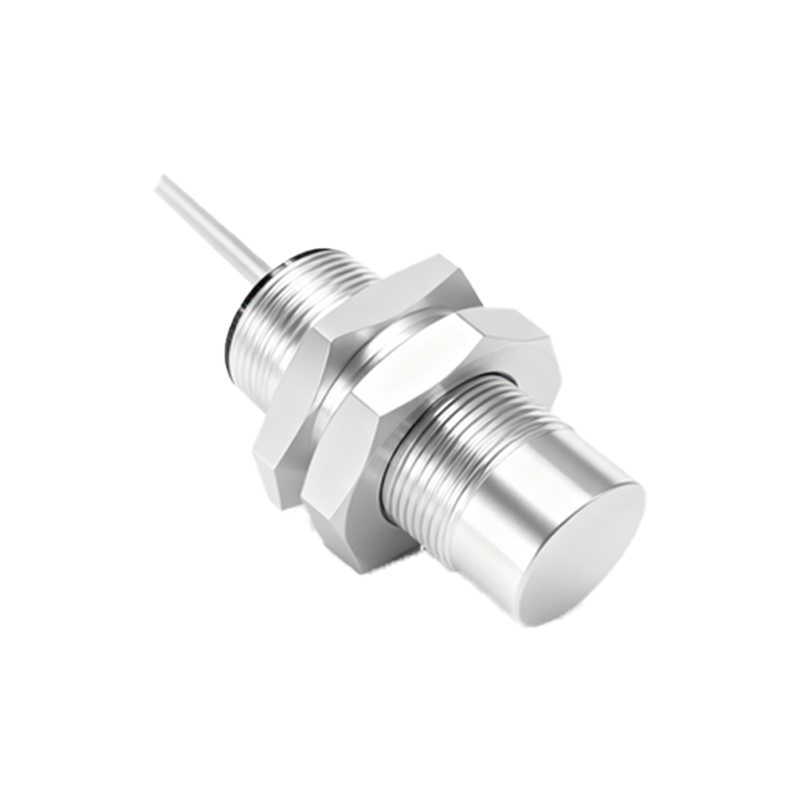
Typical applications are vast and span across all industrial sectors. On conveyor systems, they are used for object detection, counting, and sorting. In automated assembly lines, they confirm the presence of components before a process step begins. They act as safety devices on machine guards and doors, ensuring equipment only operates when it is safe to do so. In material handling, they control the fill level in silos or detect the position of a crane. Within CNC machines, they serve as homing sensors for tool changers and axis positioning.
Selecting the right proximity sensor requires careful consideration of several parameters. The sensing distance, or range, must be appropriate for the application, with a safety margin to account for mechanical tolerances. The target material dictates the sensor type: inductive for metals, capacitive for a wider range, and photoelectric for long-range or specific color detection. Environmental factors like temperature extremes, washdown requirements, or potential electrical interference must be matched with the sensor's ingress protection (IP) rating and construction. The output type—typically NPN (sinking) or PNP (sourcing) transistor, or a relay contact—must be compatible with the programmable logic controller (PLC) or other control device.
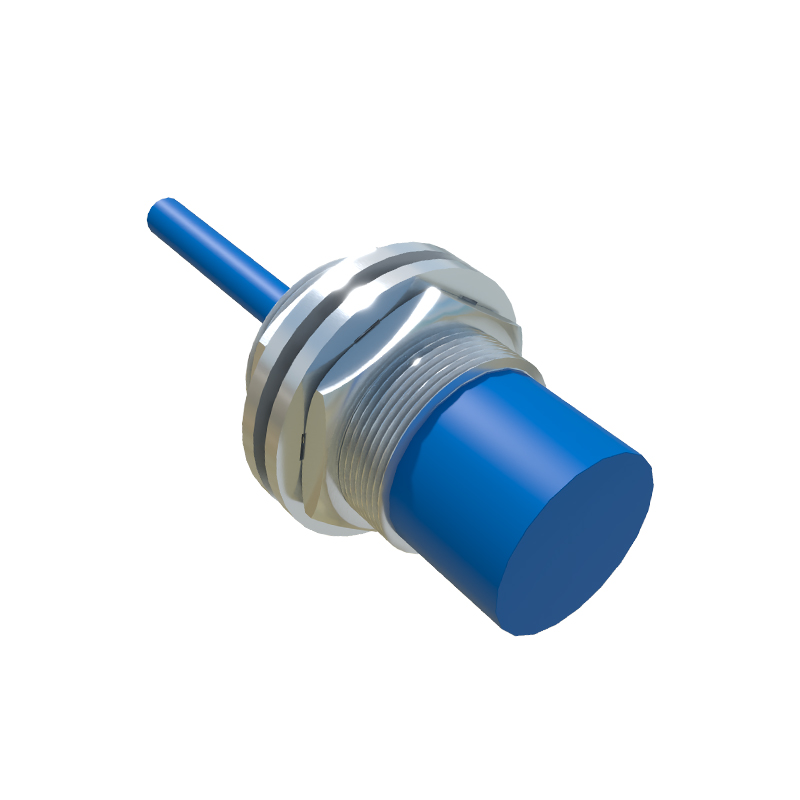
In conclusion, proximity switches and sensors are not merely simple on/off devices; they are sophisticated enablers of automation, safety, and efficiency. Their non-contact operation, durability, and precision form the backbone of responsive and intelligent control systems. As industries continue to advance towards smarter, more connected factories, the role of these sensors will only grow in importance, evolving with integrated intelligence to provide deeper insights into the manufacturing process. Understanding their function and proper application is essential for any engineer or technician dedicated to optimizing industrial performance and reliability.