In modern CNC machining centers and automated manufacturing systems, the tool magazine plays a critical role in ensuring seamless, high-precision operations. At the heart of reliable tool changing and storage mechanisms are proximity sensors—specifically inductive and capacitive proximity switches. These devices provide non-contact detection of tool presence, position, and status within the magazine, directly impacting machining accuracy, cycle times, and overall equipment effectiveness.
Proximity sensors in tool magazines primarily serve to confirm whether a tool is correctly seated in its pocket or holder. Inductive sensors are commonly employed for detecting metallic tools. They generate an electromagnetic field and react to the presence of a metal target—such as a tool shank or a dedicated trigger feature—within their sensing range. This allows for precise, wear-free detection without physical contact, eliminating mechanical wear and reducing maintenance needs. For non-metallic tools or specific environmental conditions, capacitive proximity switches may be utilized. These sensors detect changes in capacitance caused by the presence of any material, making them versatile for composite or ceramic tooling applications.
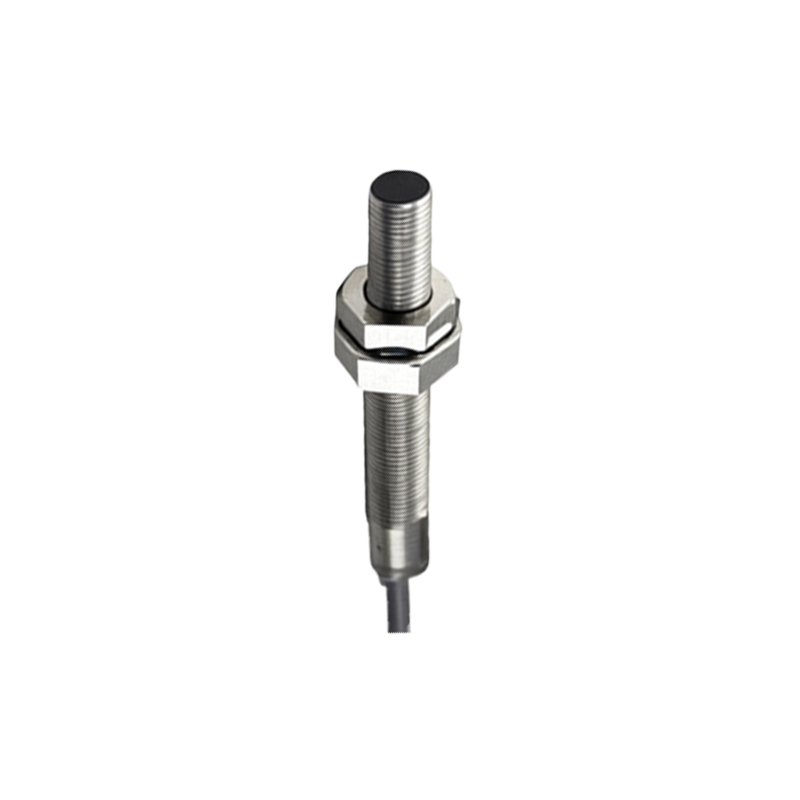
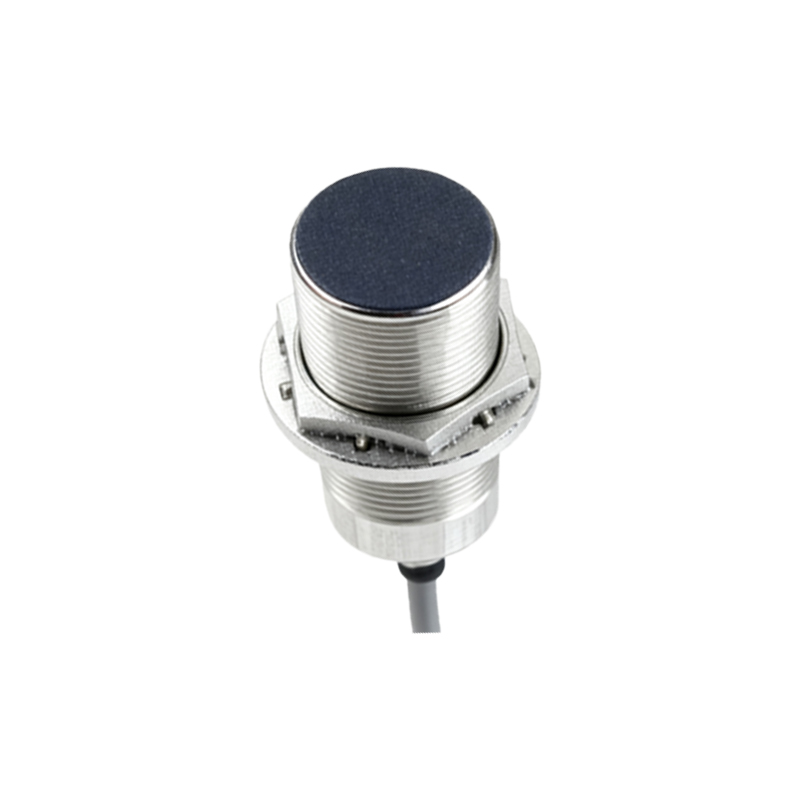
The selection of an appropriate proximity switch for a tool magazine depends on several technical factors. Sensing distance is paramount; it must be sufficient to reliably detect the tool without interference from adjacent pockets or moving components. Factors like sensor size, mounting constraints, and the magazine's compact design often necessitate miniature or cylindrical sensors with embedded mounting threads. Environmental resilience is another crucial consideration. Tool magazines are exposed to contaminants such as coolant mist, metal chips, oil, and vibration. Therefore, sensors with high IP ratings (e.g., IP67 or IP69K) and robust housing materials (stainless steel or PBT plastic) are preferred to ensure long-term reliability.
Electrical characteristics must align with the control system. Most industrial CNC systems operate with 24V DC sensors, providing either PNP (sourcing) or NPN (sinking) output signals compatible with PLCs or dedicated machine controllers. The switching frequency should match the magazine's operational speed, especially in high-speed machining centers where tool changes occur in seconds. Additionally, factors like temperature tolerance, short-circuit protection, and resistance to electromagnetic interference (EMI) are vital for stable performance in harsh workshop environments.
Installation and alignment are critical for optimal sensor performance. Misalignment can lead to false signals, missed detections, or even catastrophic tool crashes. Sensors should be mounted securely to avoid vibration-induced displacement. Adjustable mounting brackets or sensing distance calibration features can aid in fine-tuning during commissioning. Regular maintenance checks should include verifying the sensing distance, cleaning the sensor face from debris, and inspecting wiring integrity. Diagnostic LEDs integrated into many modern sensors provide immediate status feedback, simplifying troubleshooting.
Advancements in sensor technology continue to enhance tool magazine functionality. Smart sensors with IO-Link communication capabilities enable real-time monitoring of parameters like switch cycles, operating temperature, and signal strength, facilitating predictive maintenance. Furthermore, the integration of redundant sensor systems or dual-channel safety-rated sensors in critical positions adds a layer of reliability, preventing machine downtime due to single-point failures.
In summary, proximity switches are indispensable components in tool magazine systems, ensuring accurate tool management and safeguarding machining processes. Proper selection, installation, and maintenance of these sensors are fundamental to maximizing productivity, reducing unplanned downtime, and maintaining high quality standards in automated manufacturing. Engineers and maintenance personnel must prioritize technical specifications, environmental suitability, and compatibility with control architectures to achieve optimal system performance.