Proximity sensors have become indispensable in the realm of industrial automation, offering non-contact detection of objects with high precision and reliability. These devices are engineered to detect the presence or absence of an object within a specific range without any physical contact, thereby minimizing wear and tear and ensuring longevity in demanding environments. The fundamental principle behind their operation varies based on type, including inductive, capacitive, ultrasonic, and photoelectric sensors, each tailored for specific applications and materials.
Inductive proximity sensors are particularly prevalent in manufacturing settings. They generate an electromagnetic field to detect metallic objects, making them ideal for use in metal fabrication, automotive assembly lines, and machinery where ferrous or non-ferrous metals are involved. Their robustness against dirt, oil, and other contaminants ensures consistent performance in harsh conditions. For instance, in conveyor systems, inductive sensors can count metal parts, monitor position, or trigger actions like stopping a motor when an object reaches a certain point, enhancing safety and efficiency.
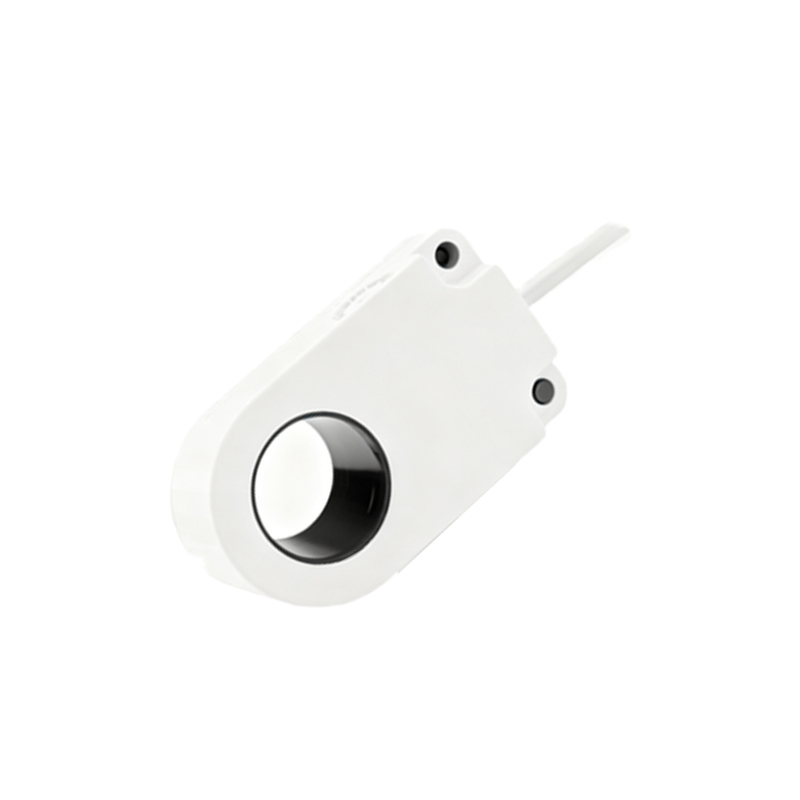
Capacitive proximity sensors, on the other hand, can detect both metallic and non-metallic materials, including liquids, plastics, and wood. By measuring changes in capacitance caused by the presence of an object, they are widely used in industries such as food processing, packaging, and chemical handling. A common application is level detection in tanks or silos, where these sensors monitor liquid or granular materials to prevent overflows or shortages, thereby optimizing inventory management and reducing waste.
Ultrasonic proximity sensors utilize sound waves to detect objects, regardless of their material composition. They are highly effective in environments with dust, smoke, or varying light conditions, where optical sensors might fail. In logistics and warehousing, ultrasonic sensors facilitate distance measurement and object positioning, enabling automated guided vehicles (AGVs) to navigate safely and palletizers to stack goods accurately. Their ability to handle complex surfaces and transparent materials adds to their versatility.
Photoelectric proximity sensors rely on light beams, typically infrared, to sense objects. They offer long detection ranges and fast response times, making them suitable for high-speed operations like bottling lines, printing presses, and electronic assembly. By detecting interruptions in the light beam, these sensors can verify product presence, align components, or sort items on a production line, contributing to quality control and throughput enhancement.
The integration of proximity sensors with programmable logic controllers (PLCs) and industrial networks has further expanded their utility. In smart factories, data from sensors is used for real-time monitoring, predictive maintenance, and process optimization, aligning with Industry 4.0 initiatives. For example, in robotic arms, proximity sensors ensure precise positioning and collision avoidance, while in safety systems, they can halt machinery when a human enters a hazardous zone, complying with occupational health standards.
Despite their advantages, selecting the right proximity sensor requires careful consideration of factors such as sensing distance, environmental conditions, target material, and output requirements. Regular calibration and maintenance are also crucial to sustain accuracy over time. As technology advances, innovations like miniaturized sensors, enhanced immunity to interference, and IoT connectivity are pushing the boundaries, enabling more adaptive and energy-efficient solutions.
In summary, proximity sensors play a critical role in enhancing operational efficiency, safety, and automation across diverse industries. From automotive to pharmaceuticals, their ability to provide reliable, non-contact detection supports the seamless flow of modern industrial processes, driving productivity and innovation in an increasingly automated world.