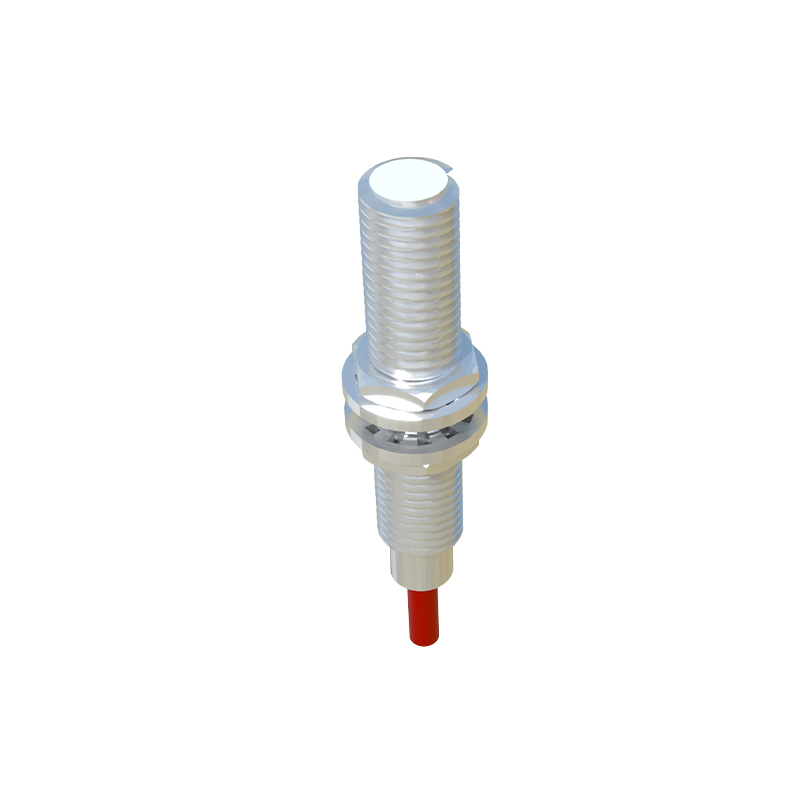
In the realm of industrial automation, proximity sensors and photoelectric sensors are indispensable components, each serving critical roles in detecting the presence, absence, or position of objects without physical contact. Proximity sensors, including inductive, capacitive, and magnetic types, operate based on electromagnetic fields or capacitance changes. Inductive proximity sensors, for instance, are ideal for detecting metallic objects by generating an electromagnetic field that triggers a switch when a metal target enters its range. These sensors are widely used in machinery for position sensing, counting, and safety applications due to their robustness and reliability in harsh environments. Capacitive proximity sensors, on the other hand, can detect both metallic and non-metallic materials by sensing changes in capacitance, making them suitable for liquid level detection or plastic object recognition. Magnetic proximity sensors utilize reed switches or Hall effect sensors to detect magnetic fields, commonly applied in automotive and security systems.
Photoelectric sensors, often referred to as photoeyes, rely on light beams to detect objects. They consist of an emitter that projects light (typically infrared, visible, or laser) and a receiver that senses the light's reflection or interruption. These sensors are categorized into three main types: through-beam, retro-reflective, and diffuse reflective. Through-beam sensors have separate emitter and receiver units, offering long-range detection and high accuracy by detecting when an object breaks the light beam. They are commonly used in conveyor systems for object counting or in safety curtains to prevent accidents. Retro-reflective sensors combine the emitter and receiver in one housing, using a reflector to bounce light back; they are effective for medium-range applications like packaging lines. Diffuse reflective sensors detect objects by measuring the light reflected directly from the target, making them suitable for short-range tasks such as detecting labels or small parts.
The choice between proximity and photoelectric sensors depends on factors like material composition, environmental conditions, and detection requirements. Proximity sensors excel in dirty or dusty settings where light-based systems might fail, while photoelectric sensors offer versatility for non-metallic objects and longer ranges. In modern automation, these sensors integrate with PLCs (Programmable Logic Controllers) and IoT (Internet of Things) networks, enabling real-time monitoring and data analytics for predictive maintenance. For example, in automotive assembly lines, inductive proximity sensors ensure precise positioning of metal components, while photoelectric sensors verify the presence of plastic parts. Advances in technology have led to miniaturized, energy-efficient designs with enhanced sensitivity and connectivity options, supporting Industry 4.0 initiatives.
Despite their advantages, challenges such as interference, calibration, and cost must be considered. Proximity sensors may be affected by electrical noise or adjacent metals, requiring proper shielding and installation. Photoelectric sensors can struggle with transparent or highly reflective surfaces, necessitating adjustments in light intensity or sensor type. Regular maintenance and testing are essential to ensure optimal performance and avoid downtime in production processes. Overall, understanding the principles and applications of these sensors is key to designing efficient, reliable automation systems that drive productivity and innovation across industries.