In the rapidly evolving landscape of industrial automation, proximity sensors play a pivotal role in ensuring efficiency, safety, and precision. Selecting the right proximity sensor supplier is not merely a procurement task; it is a strategic decision that can significantly impact your operational performance and bottom line. As an experienced electrical engineer, I have witnessed firsthand how the quality, reliability, and support from a supplier can make or break a production line. This article aims to guide procurement professionals and engineers through the critical factors to consider when partnering with a proximity sensor company.
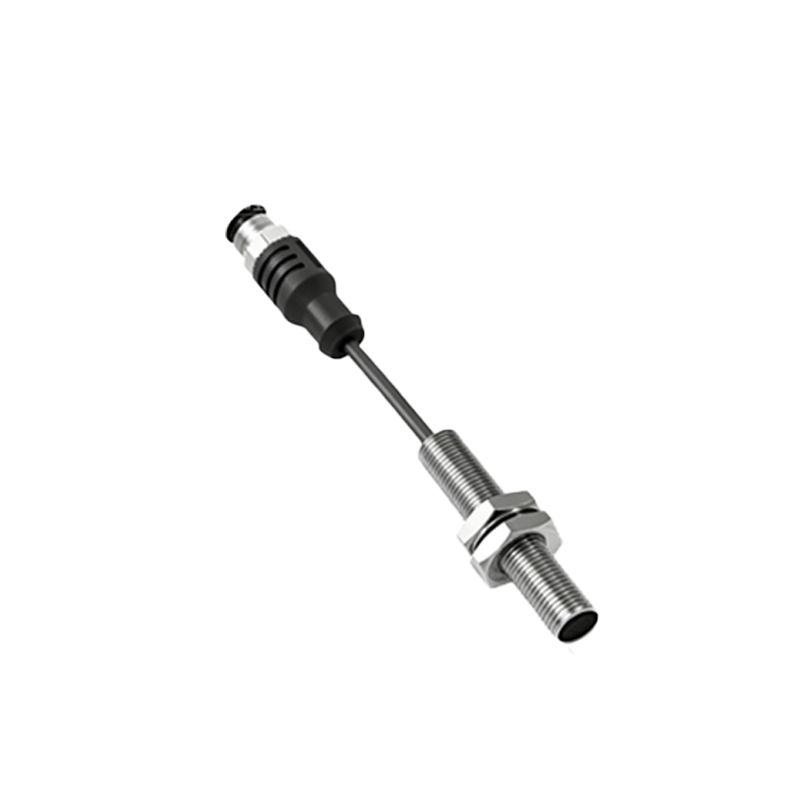
First and foremost, technical expertise and product range are paramount. A reputable supplier should offer a comprehensive portfolio of proximity sensors, including inductive, capacitive, ultrasonic, and photoelectric types, each suited for different applications. Inductive sensors, for instance, are ideal for detecting metallic objects in harsh environments, while capacitive sensors can handle non-metallic materials. The supplier’s ability to provide detailed specifications, such as sensing distance, response time, and environmental ratings (e.g., IP67 for dust and water resistance), is crucial. Look for companies that invest in research and development, as innovation in miniaturization, energy efficiency, and smart sensor technology (like IO-Link compatibility) is driving the industry forward. A supplier with strong engineering support can help you navigate complex requirements, such as high-temperature operations or explosive atmospheres, ensuring the selected sensor integrates seamlessly into your system.
Beyond the products themselves, evaluate the supplier’s reliability and quality assurance processes. In industrial settings, downtime is costly, and sensor failure can lead to catastrophic disruptions. Inquire about the supplier’s manufacturing standards—do they adhere to ISO 9001 quality management systems? Are their products certified by relevant international bodies (e.g., CE, UL, ATEX for hazardous areas)? Request documentation like mean time between failures (MTBF) data and testing reports. A trustworthy company will be transparent about its supply chain and component sourcing, mitigating risks associated with counterfeit or substandard parts. Additionally, consider their track record in your specific industry, whether it’s automotive, packaging, material handling, or robotics. Case studies and client testimonials can provide valuable insights into their real-world performance and problem-solving capabilities.
Another critical aspect is logistical support and customer service. Proximity sensors are often needed in bulk and on tight schedules. Assess the supplier’s distribution network, lead times, and inventory management. Do they offer just-in-time delivery or consignment stock options? A supplier with a global presence or robust local warehouses can reduce shipping delays and costs. Moreover, technical support should be readily accessible—through phone, email, or online portals—for troubleshooting, configuration advice, or emergency replacements. After-sales service, including warranty policies and repair services, reflects the supplier’s commitment to long-term partnerships. In today’s digital age, some leading suppliers provide online tools like sensor selection guides, CAD models, and simulation software, which streamline the procurement and integration process.
Cost considerations, while important, should not be the sole deciding factor. Opting for the cheapest sensor might save money upfront but lead to higher total cost of ownership due to frequent failures, maintenance, and production losses. Instead, focus on value: evaluate the sensor’s lifespan, energy consumption, and compatibility with your existing infrastructure. Some suppliers offer lifecycle cost analyses to help you make informed decisions. Also, explore customization options if standard sensors don’t meet your needs—a flexible supplier can modify housings, cables, or output signals to fit unique applications. Building a strategic relationship with a supplier that understands your business goals can yield benefits like volume discounts, collaborative development, and early access to new technologies.
In conclusion, choosing a proximity sensor supplier requires a holistic approach that balances technical prowess, quality assurance, logistical efficiency, and cost-effectiveness. By prioritizing suppliers with proven expertise, robust support systems, and a customer-centric ethos, you can enhance your automation systems’ reliability and drive operational excellence. Remember, the right partnership not only supplies components but also contributes to your innovation and competitive edge in the market.