In the intricate world of industrial automation and electronic control systems, proximity sensor jacks play a pivotal, yet often understated, role. These specialized connectors serve as the critical interface between a proximity sensor—a non-contact device that detects the presence or absence of an object—and the broader control circuitry, such as a programmable logic controller (PLC), amplifier, or evaluation board. Their primary function is to ensure a reliable, secure, and often quick-connect electrical and mechanical link, facilitating the seamless transmission of the sensor's output signal.
The design and utility of a proximity sensor jack are fundamentally tied to the sensor's operational requirements. Proximity sensors, including inductive, capacitive, and photoelectric types, generate discrete or analog signals upon detecting a target. The jack provides the designated terminals for connecting the sensor's wires—typically for power supply (e.g., 10-30V DC), output signal (e.g., NPN or PNP transistor output), and ground (0V). This standardized point of connection simplifies wiring, reduces installation time, and minimizes the risk of incorrect connections that could lead to sensor damage or system malfunction. In harsh industrial environments characterized by vibration, moisture, or electromagnetic interference, a robust jack with proper ingress protection (IP) ratings is essential. It safeguards the connection from corrosion, loose wires, and signal degradation, thereby enhancing system reliability and longevity.
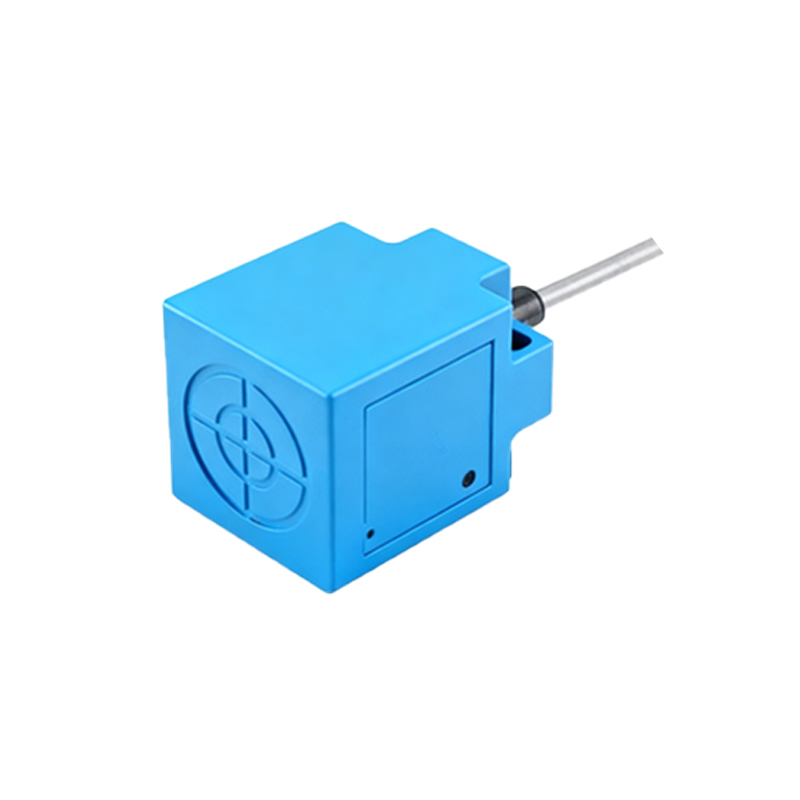
Beyond basic connectivity, the jack often incorporates features that aid in system diagnostics and maintenance. Many modern jacks include LED indicators that provide visual confirmation of power status and output switching. This allows technicians to quickly verify sensor operation without needing complex test equipment. Furthermore, the use of standardized jack formats, such as M8 or M12 circular connectors with coded keys, has become an industry norm. This standardization ensures interoperability between sensors and control equipment from different manufacturers, offering flexibility in system design and component sourcing. The quick-disconnect capability of these threaded or snap-in jacks is another significant advantage, enabling rapid sensor replacement or reconfiguration with minimal downtime—a critical factor in high-throughput production lines.
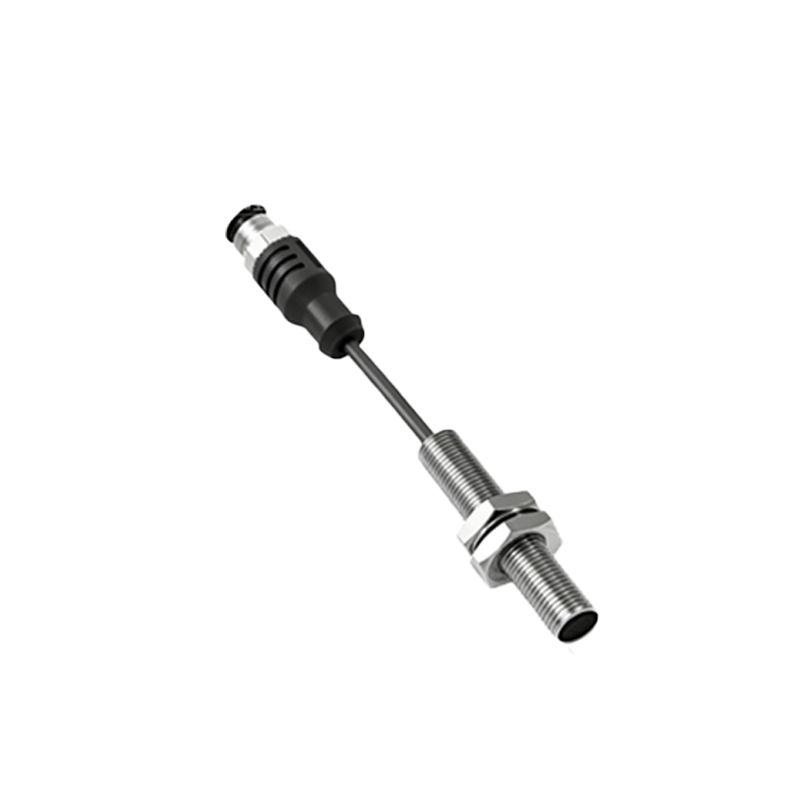
The selection of an appropriate proximity sensor jack is not a trivial matter. Engineers must consider several parameters: the sensor's electrical specifications (voltage, current, output type), the environmental conditions (IP rating, temperature range, chemical exposure), the required cable type (straight or angled, shielded or unshielded), and the mechanical mounting style. An incorrect choice can compromise the entire sensing loop. For instance, using an unsealed jack in a washdown area can lead to failure, while a jack rated for lower current than the sensor draws may overheat.
In advanced applications, such as IO-Link enabled smart sensor systems, the jack is part of a more sophisticated digital communication interface. It carries not just the traditional switching signal but also bidirectional digital data for parameter configuration, real-time diagnostics, and process value reporting. Here, the integrity of the connection through the jack is even more crucial for data integrity and network performance.
In summary, the proximity sensor jack is far more than a simple port or terminal block. It is an engineered component vital for signal integrity, system robustness, and operational efficiency. Its design evolution parallels the advancement in sensor technology, continually adapting to meet demands for higher speed, miniaturization, and intelligence in industrial automation. A deep understanding of its role empowers engineers to build more reliable, maintainable, and future-proof control systems.