In the industrial automation and control sector, the selection and procurement of reliable components are as critical as their application. Proximity sensors, the workhorses of non-contact object detection, are no exception. For engineers, maintenance teams, and procurement specialists, the question of "where to buy proximity sensors" extends far beyond a simple price check. It involves evaluating suppliers based on technical support, product authenticity, logistical reliability, and long-term partnership value. This guide outlines the primary procurement channels and key considerations for sourcing high-quality proximity sensors.
Primary Procurement Channels:
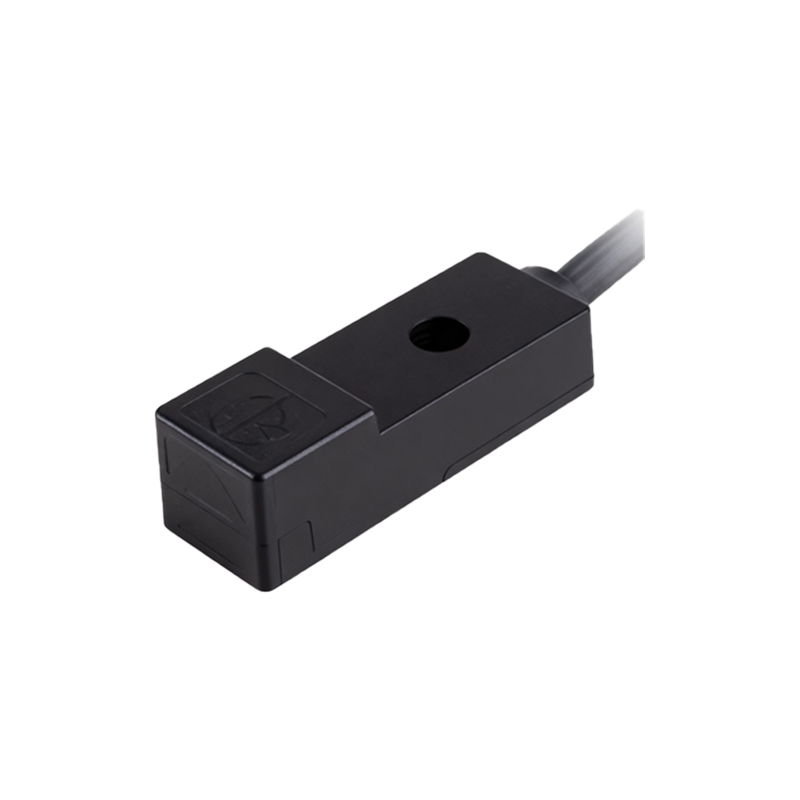
1. Direct from Manufacturer (OEM):
Purchasing directly from the original equipment manufacturer (OEM) is often the preferred route for large-scale projects or when specifying sensors for new machinery design. Companies like Siemens, Omron, Schneider Electric, Pepperl+Fuchs, and Balluff maintain robust direct sales and engineering support networks. The advantages are significant: access to the full product catalog, guaranteed authenticity, direct application engineering support, and often the most comprehensive technical documentation and firmware updates. This channel is ideal for securing volume pricing, negotiating global supply agreements, and ensuring consistency across multi-plant operations.
2. Authorized Distributors and Stocking Partners:
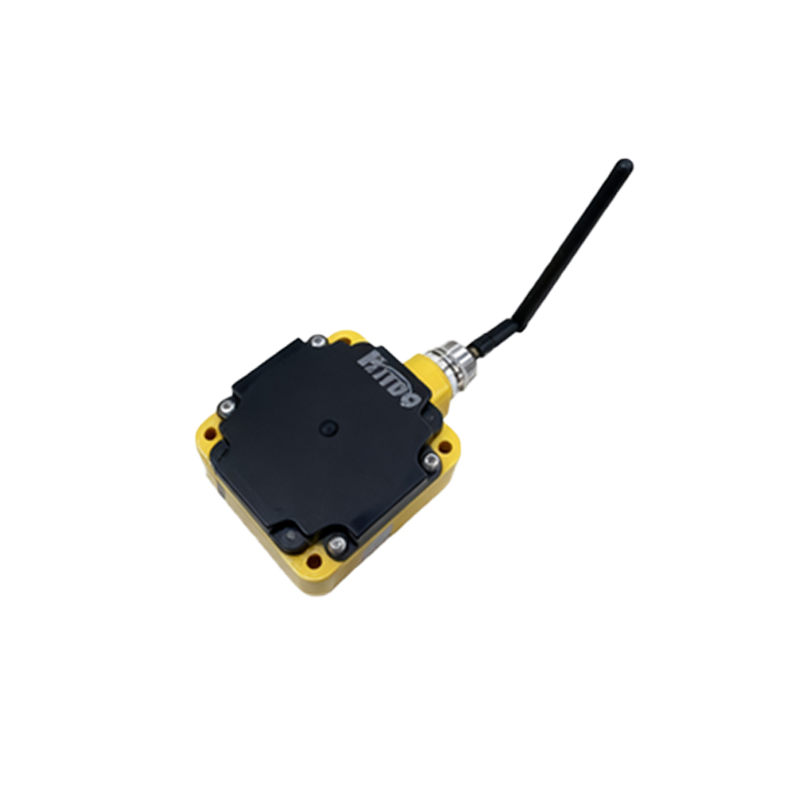
For most day-to-day procurement, maintenance, repair, and operations (MRO) activities, authorized distributors are indispensable. These partners, such as Allied Electronics, RS Components, Digi-Key, and Grainger (along with countless specialized regional distributors), hold substantial local inventory. They provide faster delivery times, localized customer service, and valuable technical assistance for selecting the right sensor model (inductive, capacitive, ultrasonic, or photoelectric) for a specific application. Their key value lies in bridging the gap between the manufacturer's broad capabilities and the end-user's immediate, localized needs. Always verify a distributor's authorized status on the OEM's website to avoid counterfeit products.
3. Specialized Industrial Automation Suppliers:
Certain suppliers focus exclusively on factory automation components. These niche players offer deep expertise in sensor integration, often providing value-added services like custom cable assembly, connectorization, testing, and kitting. They can be excellent partners for complex projects requiring sensor arrays or integration with specific PLC (Programmable Logic Controller) systems.
4. Online Marketplaces (Use with Caution):
Platforms like Amazon Business or eBay host numerous sellers offering industrial sensors. While occasionally useful for sourcing a discontinued model or for a non-critical prototype, this channel carries the highest risk. The prevalence of counterfeit, refurbished, or incorrectly specified sensors is a major concern. Performance specifications may be inaccurate, materials may not be industrial-grade, and safety certifications (like UL, CE, or ATEX for hazardous areas) may be forged or absent. This option should generally be avoided for mission-critical applications.
Key Considerations for Procurement:
Technical Specifications & Compliance: Beyond the basic sensing distance and output type (PNP/NPN, NO/NC), ensure the sensor meets the environmental requirements: IP rating for dust/water ingress, temperature range, chemical resistance, and specific safety certifications for your industry (e.g., ATEX, IECEx for explosive atmospheres).
Supply Chain Stability & Lead Times: In the current global landscape, evaluating a supplier's inventory depth and logistical reliability is crucial. Established distributors with multiple warehouses often provide more supply chain resilience than a single-source option.
Technical Support & Documentation: Access to accurate datasheets, 2D/3D models for CAD integration, and responsive technical support for application questions is vital. A good supplier provides these resources readily.
Total Cost of Ownership (TCO): Look beyond the unit price. Consider the cost of downtime due to sensor failure, the ease of installation and replacement, and the longevity of the product. A marginally cheaper, unreliable sensor can incur far higher costs in production losses.
Recommendation:
For critical industrial applications, establishing a relationship with an authorized distributor for your preferred manufacturer(s) typically offers the best balance of product authenticity, technical support, availability, and cost. For large OEM projects or when dealing with highly specialized sensing requirements, engaging the manufacturer's direct sales and engineering team is essential. Always prioritize suppliers who demonstrate a clear understanding of industrial automation challenges and can act as a technical resource, not just a transactional vendor. The right procurement partner is a strategic asset in maintaining operational efficiency and system reliability.