Proximity sensors are indispensable components in modern industrial automation, offering non-contact detection of objects within their sensing range. These devices operate based on various principles, including inductive, capacitive, ultrasonic, and photoelectric technologies, each suited to specific applications. Their ability to function reliably in harsh environments—such as those with dust, moisture, or extreme temperatures—makes them a preferred choice for engineers seeking to enhance efficiency and safety.
In manufacturing assembly lines, inductive proximity sensors are widely used for metal object detection. For instance, in automotive production, these sensors monitor the presence of engine components on conveyor belts, ensuring precise positioning before robotic arms perform welding or assembly tasks. Their fast response time, often in milliseconds, prevents bottlenecks and reduces downtime. Similarly, capacitive sensors detect non-metallic materials like plastics, glass, or liquids, making them ideal for packaging industries where bottle filling levels or cardboard box presence must be verified without physical contact.
Material handling systems leverage ultrasonic proximity sensors for distance measurement and object counting. In warehouse automation, these sensors help manage inventory by detecting pallet heights on racks or guiding autonomous vehicles along predefined paths. Their immunity to color and transparency variations allows consistent performance even with diverse products. Photoelectric sensors, utilizing infrared or laser beams, excel in long-range detection—up to several meters—and are employed in logistics for parcel sorting, where they identify items on high-speed conveyors and trigger diverters to route packages correctly.
Safety applications are another critical area. Machine guarding systems integrate proximity sensors to create protective zones around hazardous equipment like presses or robotic cells. If a worker enters a restricted area, the sensor sends an immediate signal to halt machine operation, preventing accidents. This fail-safe mechanism aligns with international safety standards, such as ISO 13849, ensuring compliance and reducing liability risks.
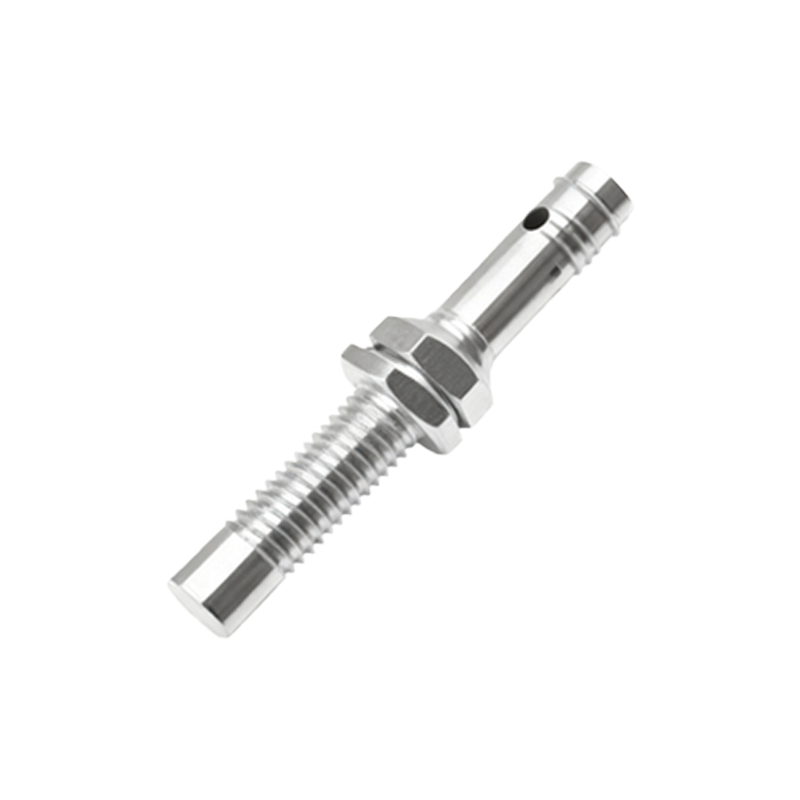
In the food and beverage industry, hygienic design is paramount. Stainless steel-housed proximity sensors with IP67 or higher ratings resist washdowns and corrosive substances, enabling use in sanitization processes. They monitor ingredient levels in tanks or detect container lids on filling lines, maintaining product quality without contamination risks. Additionally, in automotive testing facilities, sensors assess wheel alignment or brake system performance by detecting rotational movements or part displacements with high accuracy.
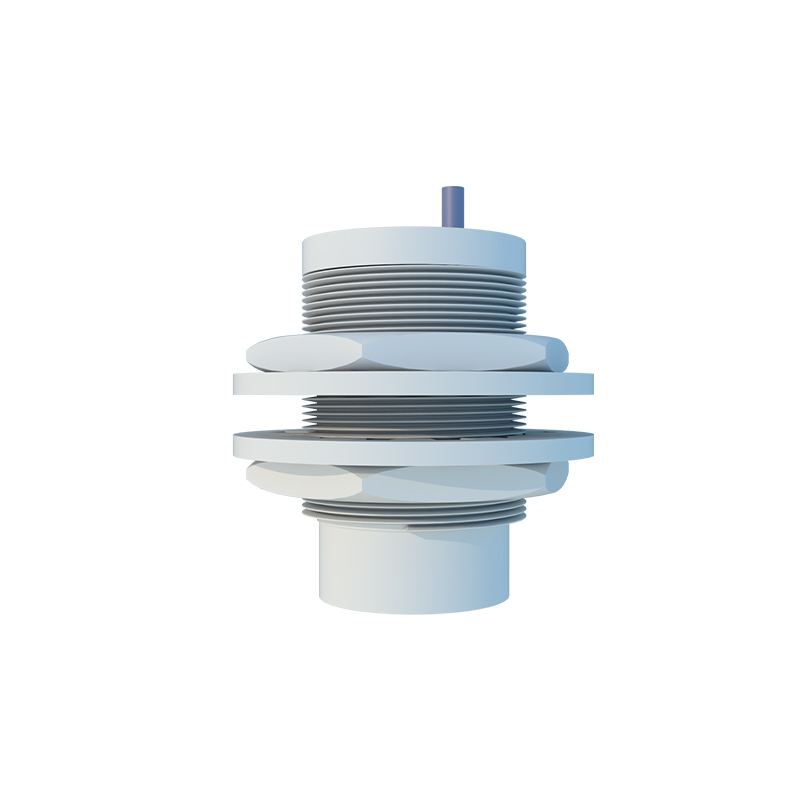
Emerging trends include the integration of proximity sensors with IoT platforms for predictive maintenance. By continuously monitoring sensor data—such as detection frequency or signal strength—engineers can anticipate failures before they occur, scheduling repairs during planned outages. This proactive approach minimizes unplanned stoppages and extends equipment lifespan. For example, in mining operations, sensors on conveyor belts detect belt slippage or blockages, sending alerts to control centers for swift intervention.
Despite their advantages, selecting the right proximity sensor requires careful consideration of factors like sensing distance, target material, environmental conditions, and output type (e.g., NPN or PNP). Engineers must also account for installation constraints, such as space limitations or electrical interference from nearby machinery. Regular calibration and testing ensure optimal performance over time.
In summary, proximity sensors play a pivotal role in diverse industrial sectors, from automotive and packaging to logistics and safety systems. Their versatility, durability, and precision contribute to streamlined operations, enhanced productivity, and improved workplace safety. As automation evolves, these sensors will continue to adapt, offering smarter solutions for complex challenges.